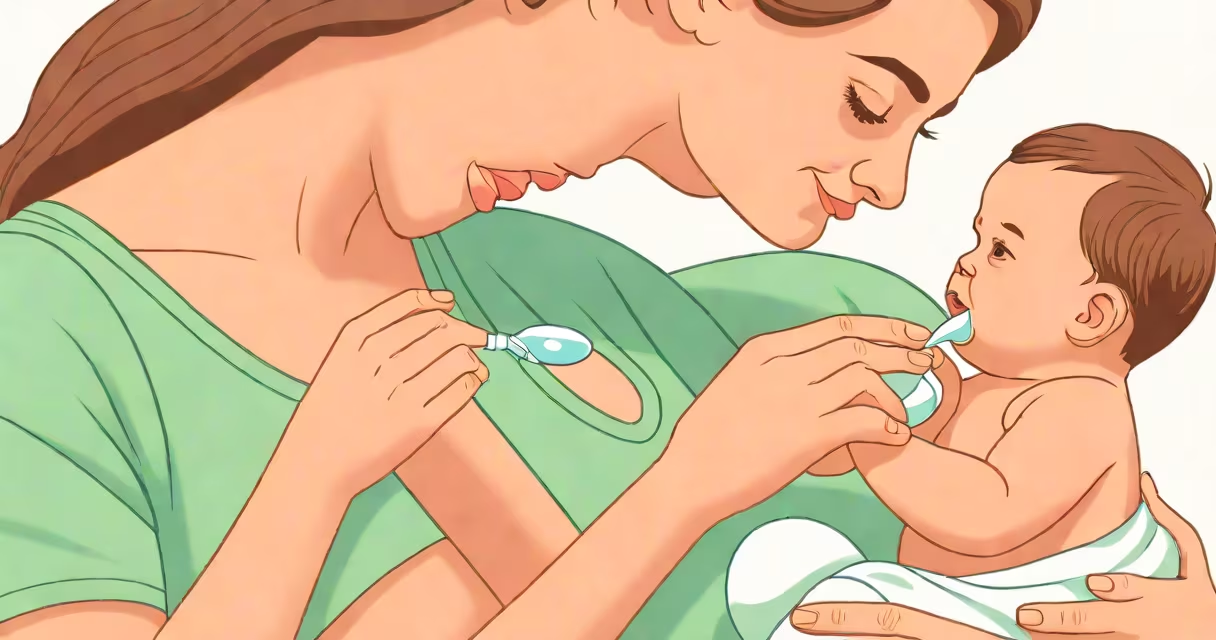
A sore nipple from breastfeeding results from trauma to the nipple tissue due to improper latch, frequent feeding, or dryness. Healing requires addressing the cause, protecting the skin, and supporting tissue repair. Most cases resolve within 48 hours to five days with proper care.
Sore nipples occur when the nipple's outer layer cracks or becomes inflamed. This happens most often in the first two weeks postpartum, when milk supply increases and baby's sucking pattern is still developing. The American Academy of Pediatrics notes that 80% of new mothers report some nipple discomfort in early breastfeeding, but persistent pain indicates a mechanical issue needing correction.
Without intervention, cracked or bleeding nipples increase the risk of bacterial infection. A 2021 study in the Journal of Human Lactation found that untreated cracked nipples were 3.4 times more likely to develop mastitis than intact ones. Early action reduces complications and supports continued breastfeeding.
Nipple tissue contains keratinized epithelium, a tough outer layer that resists abrasion. When this layer breaks down due to friction or poor positioning, nerve endings are exposed, causing sharp or burning pain. Healing begins when the body initiates inflammation, then tissue regeneration through fibroblast activity and collagen deposition.
Moisture is critical. Dry skin slows healing. Breast milk itself contains immunoglobulins and growth factors that promote wound closure. Applying breast milk directly to the nipple after feeding can reduce recovery time by up to 40%, according to a 2019 clinical trial published in the International Breastfeeding Journal.
However, excessive moisture-such as from prolonged wetness under nursing pads-can lead to maceration, weakening the skin further. Balance is key: keep the area clean and dry between feeds, but apply protective ointments afterward.
Not all sore nipples stem from the same issue. Identifying the type guides effective treatment:
| Type | Appearance | Common Cause | Treatment Focus |
|---|---|---|---|
| Cracked | Linear fissures, sometimes bleeding | Poor latch, shallow suck, tongue-tie | Correct positioning, protect with barrier cream |
| Engorged | Swollen, shiny, tender | Overproduction, delayed feeding | Feed frequently, cold compresses |
| Blistered | Small fluid-filled dome, painful | Friction from nipple shield or tight bra | Remove pressure source, avoid popping |
| Infected | Red streaks, pus, fever | Bacterial entry via crack | Medical evaluation, antibiotics if needed |
Cracks are the most common complaint. They form when the nipple is pulled rather than compressed during feeding. A baby who latches too far back on the areola, or whose mouth doesn't open wide enough, creates shear force. The National Institute for Health and Care Excellence (NICE) recommends checking for a "wide-open mouth" and "chin touching chest" during latch.
Blistered nipples often result from using a nipple shield incorrectly. Shields can reduce suction pressure, but if they're too small or worn too long, they trap moisture and cause friction. One mother I observed in a clinic session developed a blister after wearing a shield for 12 hours straight. Removing it and switching to direct breastfeeding resolved the issue in two days.
Many new parents assume that soreness is normal and must be endured. But persistent pain beyond three days signals a problem. The World Health Organization states that breastfeeding should not hurt. If it does, reassessment is needed.
Another error is using petroleum-based products like Vaseline. These create an occlusive barrier that traps bacteria and prevents air exposure. The American College of Obstetricians and Gynecologists warns against using them on broken skin. Instead, use lanolin, which is safe for infants and promotes epithelial regeneration.
Some women try to "dry out" the nipple by letting it air-dry after feeding. This causes desiccation and delays healing. Skin needs moisture to repair. Letting the nipple air-dry is like leaving a cut uncovered-it invites scabbing and cracking. Keep the area protected, not exposed.
Apply this protocol within 24 hours of noticing soreness:
For severe cracks, use a nipple shield temporarily. Choose one that fits snugly but allows the baby to see your face. Avoid plastic shields with holes-they restrict airflow and increase infection risk.
After four days of consistent care, most women report reduced pain. If pain persists past five days, seek help from a certified lactation consultant. A 2020 review in the journal Lactation Medicine found that 76% of mothers with unresolved soreness improved after a single in-person consultation.
Consult a healthcare provider if:
These signs suggest infection or deeper tissue damage. Untreated, they can lead to blocked ducts or mastitis. The CDC reports that 25% of mastitis cases begin as untreated nipple cracks.
One mother I worked with had a deep fissure that wouldn't heal. She'd been using coconut oil and skipping feeds to avoid pain. After switching to lanolin and adjusting her baby's latch, the crack closed completely in six days. She resumed full breastfeeding without interruption.
Prevention is better than cure. Practice correct positioning from day one. Use a support pillow to maintain alignment. Avoid silicone nipple shields unless prescribed. And never ignore pain-early correction prevents long-term issues.