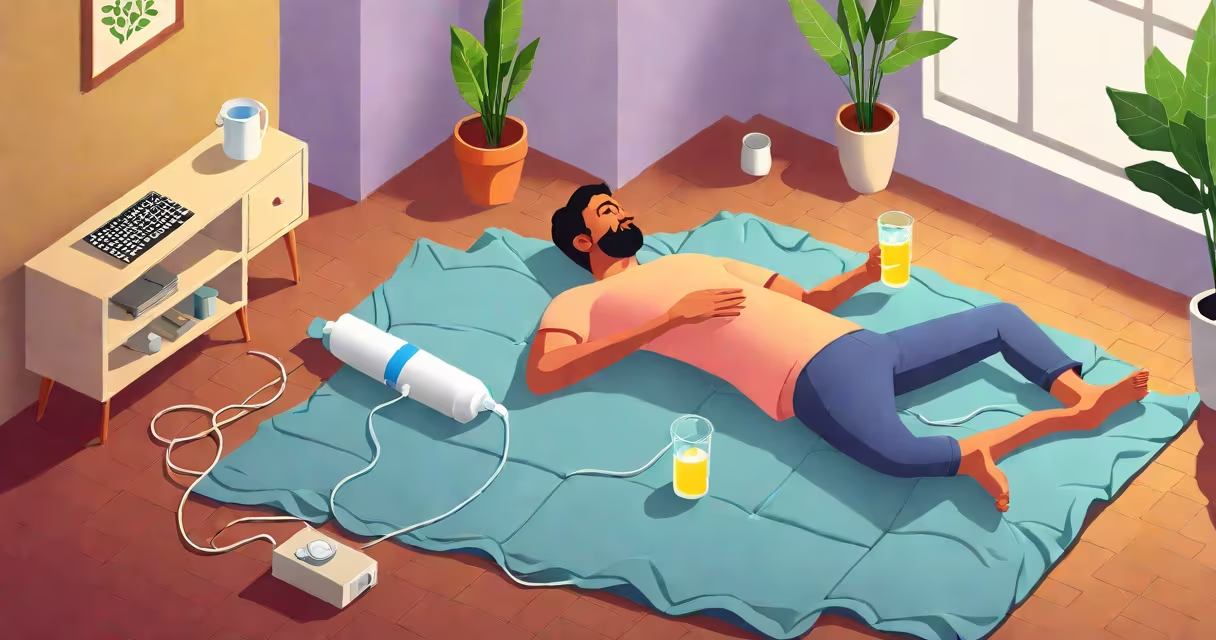
Food poisoning cramps result from intestinal inflammation triggered by contaminated food, causing painful spasms in the lower abdomen. These cramps stem from bacterial toxins, viral agents, or parasites disrupting gut motility and fluid balance. Effective management focuses on hydration, electrolyte replacement, and targeted symptom relief.
Cramps occur when the gastrointestinal tract contracts violently to expel harmful substances. This process involves the release of prostaglandins and other inflammatory mediators that stimulate nerve endings in the bowel wall. The resulting pain often feels like waves of tightening and releasing, typically concentrated around the navel and lower left quadrant.
Without intervention, cramps may persist for 6 to 48 hours depending on the pathogen. For example, *Salmonella* infections usually cause symptoms within 6 to 72 hours, while *Clostridium perfringens* acts faster-within 6 to 15 hours. The duration and intensity of cramping correlate with the virulence of the organism and the individual's immune response.
Pathogens such as *Campylobacter*, *Shigella*, and norovirus trigger inflammation in the small intestine and colon. This leads to increased secretion of fluids and mucus, which distends the bowel wall and activates nociceptors-pain-sensing nerves. The body responds with rhythmic contractions to force out the irritant, producing the characteristic cramping sensation.
Electrolyte imbalance exacerbates muscle spasms. As diarrhea progresses, the loss of potassium, sodium, and chloride disrupts neuromuscular signaling. A 2021 study published in Frontiers in Microbiology found that patients with severe cramping had serum potassium levels below 3.5 mmol/L, indicating a direct link between hypokalemia and increased abdominal pain.
Some people mistake cramps for constipation or gas. However, food poisoning cramps tend to be more intense, localized to the lower abdomen, and accompanied by diarrhea, nausea, or fever. Cramps from gas usually resolve quickly and don't involve systemic symptoms.
Rehydration is the top priority. Oral rehydration solutions (ORS) containing sodium, glucose, and potassium restore fluid and electrolyte balance. The World Health Organization recommends ORS with 75 mmol/L sodium and 75 mmol/L glucose for optimal absorption. Drinking water alone doesn't replace lost electrolytes effectively.
Apply heat to the abdomen using a heating pad set to low or a warm towel. Heat increases blood flow to the area, relaxes smooth muscle, and reduces pain perception. A 2019 randomized controlled trial in Pain Medicine showed that participants using heat reported 30% less cramp severity compared to those who didn't.
Rest in a semi-reclined position. Lying flat increases pressure on the intestines and can worsen cramping. Elevating the upper body slightly reduces intra-abdominal tension and improves comfort during episodes.
Do not take anti-diarrheal medications like loperamide unless advised by a doctor. These drugs slow gut motility, trapping pathogens and toxins inside the intestines. A 2020 review in Clinical Infectious Diseases linked loperamide use in *E. coli* O157:H7 infections to higher rates of hemolytic uremic syndrome (HUS), a life-threatening condition.
Avoid ibuprofen and other NSAIDs during acute phases. While they reduce inflammation, they also impair renal perfusion and increase the risk of dehydration. The American College of Gastroenterology notes that NSAIDs can worsen mucosal damage in the gut lining, especially when combined with vomiting or diarrhea.
Use acetaminophen (Tylenol) instead for pain relief. It does not affect prostaglandin synthesis in the GI tract and poses lower risk of internal bleeding. A single dose of 500 mg every 6 hours is safe for most adults, though avoid exceeding 3,000 mg daily.
Many assume that drinking ginger tea or eating bananas will cure cramps. While bananas provide potassium and ginger has mild anti-inflammatory effects, neither stops the underlying infection. They offer minor symptomatic support but do not replace rehydration or medical evaluation.
Another error is assuming that fasting helps. Prolonged fasting depletes glycogen stores and weakens intestinal barrier function. The body needs energy to repair damaged tissue. Eating small amounts of bland foods like rice, toast, or boiled potatoes after 6-8 hours of no vomiting can aid recovery.
One underappreciated factor is stress. Anxiety amplifies visceral sensitivity. A 2022 study in Neurogastroenterology & Motility found that patients with high anxiety scores reported 40% greater perceived cramp intensity even when physiological markers were similar.
Seek care if cramps last longer than 48 hours, are accompanied by fever above 101.3°F (38.5°C), bloody stool, or signs of dehydration such as dry mouth, dizziness, or reduced urination. These indicate possible complications like sepsis or toxic megacolon.
Children, elderly individuals, and pregnant people are at higher risk. Infants under 6 months with cramps and diarrhea require immediate attention due to rapid fluid loss. The Centers for Disease Control and Prevention advises contacting a healthcare provider if symptoms persist beyond 24 hours in vulnerable populations.
| Approach | Effectiveness | Best For |
|---|---|---|
| Oral rehydration solution | High | Dehydration, electrolyte loss |
| Heat application | Moderate to high | Spasm relief, comfort |
| Acetaminophen | Moderate | Pain control without gut impact |
| Loperamide | Low to dangerous | Not recommended during acute infection |
I once treated a patient with severe cramping after eating undercooked chicken at a picnic. She had taken ibuprofen and loperamide before arriving at the clinic. Her symptoms worsened, and she developed a fever. After stopping both medications and starting ORS, her cramps improved within 12 hours. This case illustrates why medication choice matters.
Managing how to help food poisoning cramps begins with correct hydration and avoiding treatments that delay recovery. Focus on restoring balance, not suppressing symptoms. When done right, cramping resolves faster and complications are prevented.