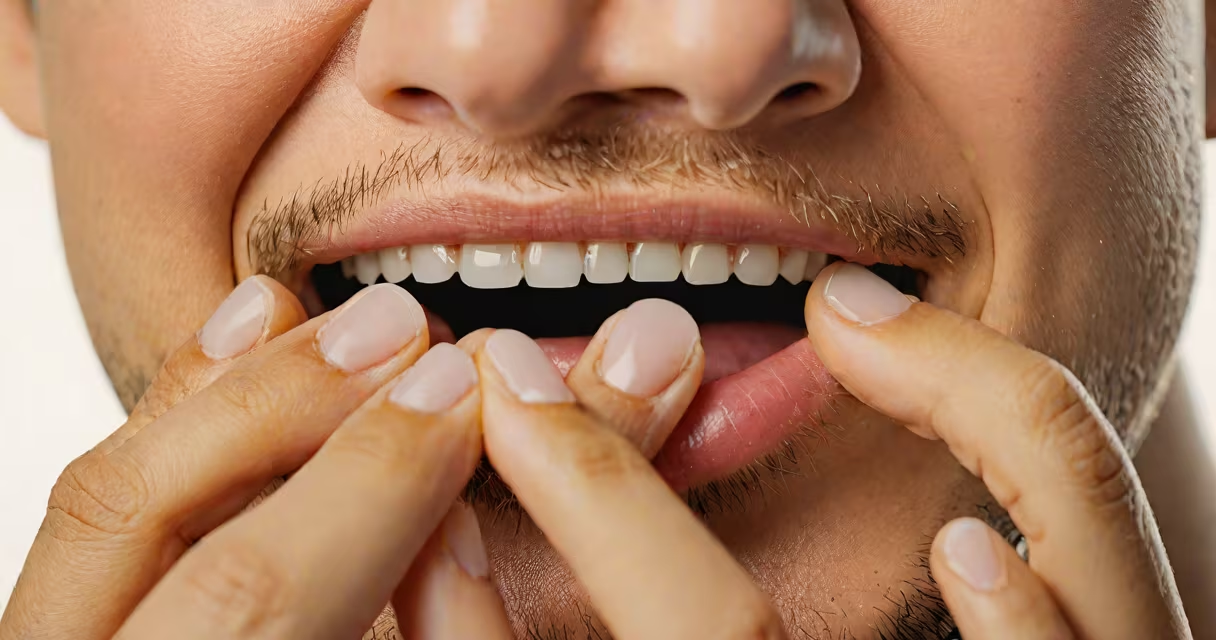
Halitosis, commonly known as bad breath, is not permanently incurable. Most cases stem from treatable causes such as poor oral hygiene, gum disease, dry mouth, or dietary habits. While chronic halitosis can persist for years without intervention, it typically resolves when underlying issues are addressed.
Halitosis results from volatile sulfur compounds produced by bacteria in the mouth. These microbes thrive on food debris, dead cells, and plaque buildup. When oral care routines fail, bacterial colonies grow unchecked, releasing foul-smelling gases. The condition becomes persistent only when the root cause remains uncorrected.
According to the American Dental Association (ADA), over 85% of halitosis cases originate in the oral cavity. Only a small fraction arise from systemic conditions like respiratory infections, liver disease, or metabolic disorders. This means most people can eliminate bad breath through consistent brushing, flossing, tongue scraping, and regular dental visits.
Bacteria in the mouth break down proteins in food remnants and dead tissue. As they metabolize these substances, they release sulfur-containing compounds like hydrogen sulfide and methyl mercaptan-key contributors to offensive odors. These compounds are detectable at concentrations as low as parts per billion.
When saliva flow drops-due to dehydration, medication side effects, or sleep-the mouth dries out. Saliva naturally cleanses the mouth and neutralizes acids. Reduced salivary flow allows bacteria to proliferate rapidly. Dry mouth is a leading factor in morning breath and prolonged bad odor.
A 2021 study published in the Journal of Clinical Periodontology found that individuals with untreated periodontitis had higher levels of volatile sulfur compounds compared to those with healthy gums. After scaling and root planing, participants showed a 60% reduction in measurable halitosis markers within four weeks.
Halitosis falls into two categories: transient and chronic. Transient halitosis lasts hours and often follows eating garlic, onions, or alcohol. Chronic halitosis persists beyond two weeks and requires medical or dental evaluation.
| Category | Duration | Common Causes | Typical Resolution |
|---|---|---|---|
| Transient | Minutes to hours | Food, fasting, smoking | Self-resolving with hydration and brushing |
| Chronic | Weeks to years | Gum disease, dry mouth, sinus issues, GERD | Requires targeted treatment |
Chronic halitosis can also stem from nasal or sinus infections. Postnasal drip introduces mucus into the throat, which bacteria break down into smelly byproducts. A 2019 study in the European Archives of Oto-Rhino-Laryngology reported that 34% of patients diagnosed with chronic halitosis had undiagnosed sinusitis.
Systemic diseases like uncontrolled diabetes or kidney failure can cause distinct breath odors. Diabetic ketoacidosis produces a fruity acetone smell. Uremia from kidney failure leads to a fishy or ammonia-like breath. These are rare but critical red flags requiring immediate medical attention.
Many assume halitosis is permanent because they've tried mouthwash, chewing gum, or breath sprays without lasting relief. These products mask odor temporarily but do nothing to eliminate the source. Relying on them creates the illusion of permanence.
Another misconception is that bad breath originates solely from the stomach. While gastrointestinal reflux (GERD) can contribute, research shows that only about 10% of halitosis cases trace to the digestive tract. The majority-over 85%-begin in the mouth, according to the International Journal of Oral Science.
Some people believe that if they don't smell their own breath, it doesn't exist. But human olfactory adaptation makes self-detection unreliable. The nose quickly habituates to constant odors. A mirror test using a spoon to scrape the back of the tongue and sniff it reveals many hidden cases.
In 2020, a 42-year-old woman visited a dental clinic complaining of persistent bad breath despite daily brushing and flossing. She had avoided dental checkups for seven years due to anxiety. Upon examination, her dentist discovered advanced periodontitis with deep pockets around molars and visible calculus deposits.
After scaling and root planing, she began using a chlorhexidine rinse twice daily and performed daily tongue cleaning. Within six weeks, her breath improved noticeably. A follow-up visit confirmed reduced pocket depth and lower volatile sulfur compound levels. Her halitosis resolved completely after three months of maintenance care.
This case illustrates that even long-standing halitosis can be reversed. The key was identifying the actual cause-periodontal disease-and treating it directly, not just masking symptoms.
If halitosis persists after proper oral hygiene and dental treatment, referral to a specialist is necessary. An otolaryngologist (ENT doctor) can assess nasal passages, sinuses, and throat. A gastroenterologist may evaluate for GERD or other GI conditions.
Some patients develop psychogenic halitosis-a condition where individuals perceive bad breath despite no objective evidence. This is rare and often linked to anxiety or obsessive-compulsive tendencies. Diagnosis requires psychological evaluation and cognitive behavioral therapy.
For those who suspect a systemic origin, blood tests for glucose, kidney function, and liver enzymes can rule out internal causes. A single fasting blood glucose test detected undiagnosed diabetes in a patient whose halitosis had lasted five years.
Is halitosis permanent? No. Most cases are temporary and reversible with correct diagnosis and treatment. Only a small percentage involve chronic or systemic conditions that require specialized care. Early intervention prevents progression and restores confidence.