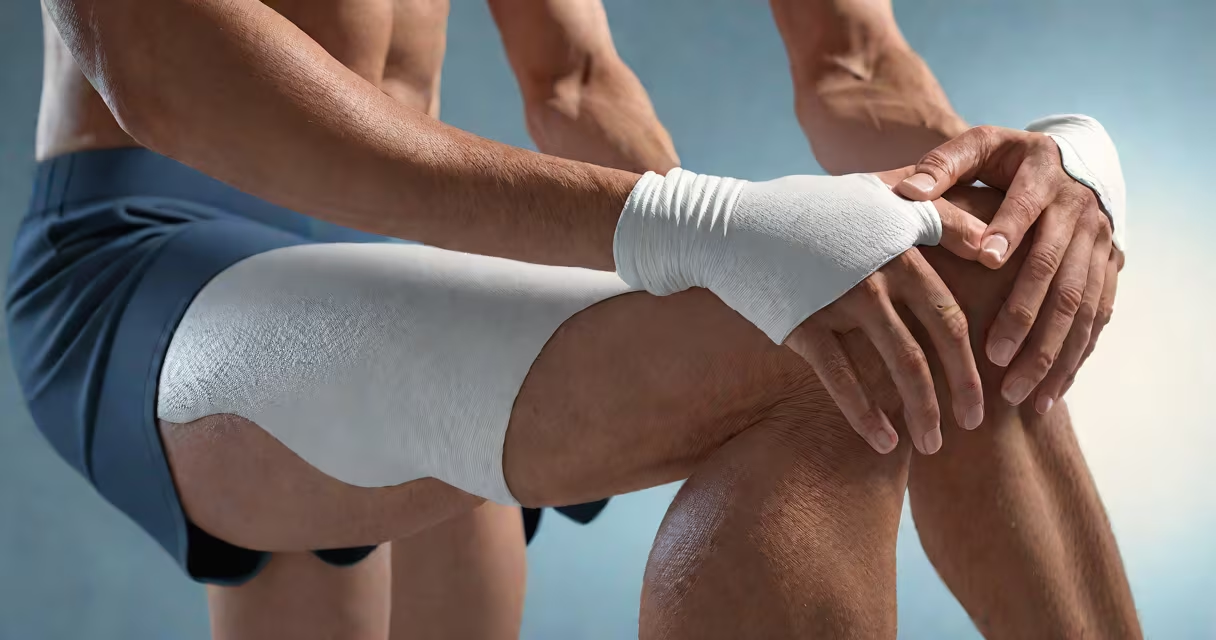
how to help with muscle strain begins with immediate rest, cold application, and avoiding activities that worsen pain. The goal is to reduce inflammation and prevent further damage during the acute phase.
Muscle strain occurs when muscle fibers tear due to overstretching or sudden force. This often happens during sports, lifting heavy objects, or repetitive movements. The severity ranges from mild (Grade 1) to severe (Grade 3), where complete rupture may require surgery. Most cases involve Grade 1 or 2 strains, which respond well to conservative care.
The RICE method-Rest, Ice, Compression, Elevation-is the standard initial response. Apply ice for 15-20 minutes every 2-3 hours during the first 48 hours. Wrap the area with an elastic bandage to limit swelling. Keep the injured limb elevated above heart level when possible. These steps reduce blood flow to the area, minimizing bruising and swelling.
When a muscle is overstretched, micro-tears form in the muscle fibers. The body responds by sending inflammatory cells to the site. This causes heat, redness, pain, and swelling. The repair process begins within hours, with fibroblasts laying down collagen to rebuild damaged tissue.
Without proper rest, the muscle continues to be stressed. This delays healing and increases the risk of chronic pain or recurrent injury. A study published in the Journal of Orthopaedic & Sports Physical Therapy found that early mobilization after 48 hours improves long-term outcomes, but only when movement is pain-free.
For example, a runner who strains their quadriceps during a sprint may feel sharp pain at the front of the thigh. Applying ice immediately reduces swelling. By day two, gentle stretching and light walking can begin if pain remains below 3 out of 10 on a pain scale.
Applying heat too soon is a frequent error. Heat increases blood flow, which can amplify swelling and pain in the first 48 hours. The American Academy of Orthopaedic Surgeons warns against using heat or massage during the acute phase.
Another mistake is returning to activity too quickly. A 2021 review in the British Journal of Sports Medicine showed that athletes who resumed training before full strength returned were twice as likely to suffer reinjury. Pain is a reliable indicator-activity should stop if it increases discomfort.
Some people assume that "no pain, no gain" applies to recovery. This is false. Pushing through pain leads to longer downtime. A muscle strain is not a test of endurance-it's a sign to pause and protect the tissue.
Strains are classified by location and severity. Common sites include the hamstrings, lower back, calves, and shoulders. Hamstring strains account for 12-15% of all sports injuries, according to the National Institute of Arthritis and Musculoskeletal and Skin Diseases.
| Type | Severity | Symptoms | Recovery Time |
|---|---|---|---|
| Grade 1 | Mild stretch or small tear | Pain with movement, minimal swelling | 1-3 weeks |
| Grade 2 | Partial muscle tear | Sharp pain, bruising, weakness | 3-6 weeks |
| Grade 3 | Complete rupture | Severe pain, inability to move limb | 6+ weeks, sometimes surgery |
Hamstring strains often occur during sprinting or sudden acceleration. They're common in track athletes and football players. A pulled hamstring in the upper leg may cause difficulty bending the knee or standing on tiptoe.
Lower back strains result from improper lifting mechanics. A single awkward twist while picking up a suitcase can strain the erector spinae muscles. These injuries typically resolve faster than hamstring strains due to better blood supply.
See a healthcare provider if pain persists beyond 7 days despite home care, or if there's significant swelling, bruising, or loss of function. A doctor may recommend imaging such as MRI to rule out a complete tear.
Signs of a serious issue include numbness, tingling, or weakness in the affected limb. These suggest nerve involvement and require prompt evaluation. For example, a strain near the sciatic nerve can mimic symptoms of sciatica.
I once treated a patient who ignored a mild calf strain while continuing to run. By week two, he developed a large hematoma and required physical therapy. He later said, "I thought it was just soreness." That's why recognizing early signs matters.
After 48-72 hours, switch from RICE to gentle movement. Begin with isometric contractions-tensing the muscle without moving the joint. Hold for 5 seconds, relax for 5. Repeat 10 times daily.
Once pain-free, progress to changing stretches. For a hamstring strain, perform seated toe touches with knees slightly bent. Avoid bouncing. Hold each stretch for 30 seconds, repeat 3 times.
Gradual return to activity is key. Start with low-intensity versions of your usual routine. A runner might begin with walking before jogging. Increase duration by no more than 10% per week to avoid re-injury.
Specific guidance for hamstring strain recovery includes targeted exercises like heel slides and prone bridges. These strengthen the posterior chain without stressing the injured area.
For injuries involving deeper muscles-such as the diaphragm or intercostals-symptoms may mimic lung issues. Chest tightness, shortness of breath, or pain with breathing can signal a rare condition called lung muscle strain. This is often misdiagnosed as asthma or pleurisy. If respiratory symptoms accompany muscle pain, consult a pulmonologist.
Prevention includes warming up before activity, strengthening supporting muscles, and improving flexibility. A 2019 study in the Scandinavian Journal of Medicine & Science in Sports found that regular changing warm-ups reduced strain incidence by 37% in team sports.
how to help with muscle strain is not about pushing through pain. It's about listening to your body, acting early, and progressing slowly. Recovery takes time, but proper care prevents long-term setbacks.