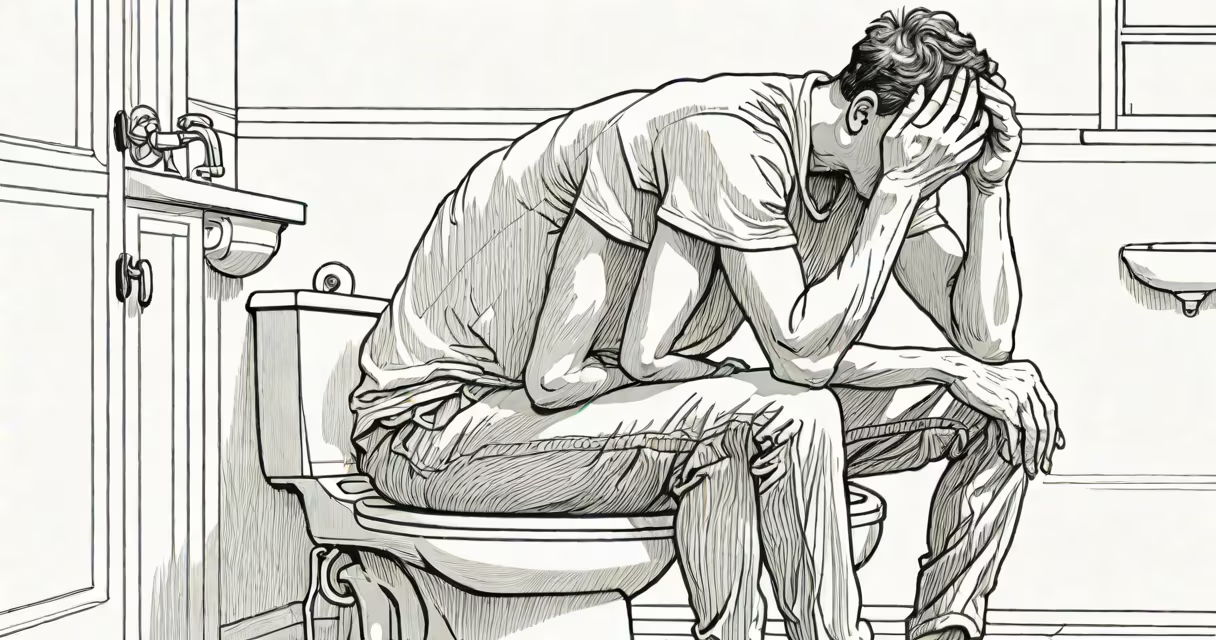
When you can't poop, your digestive system is blocked or slowed, leading to discomfort, bloating, and difficulty passing stool. This condition-commonly called constipation-occurs when bowel movements happen fewer than three times per week or require excessive straining. The American College of Gastroenterology defines constipation as persistent difficulty with defecation lasting more than three months.
Constipation arises when stool moves too slowly through the colon, losing water and becoming hard. Causes include low fiber intake, dehydration, lack of physical activity, medication side effects, or underlying conditions like irritable bowel syndrome (IBS) or hypothyroidism. Ignoring the urge to defecate regularly weakens rectal muscle signals over time, making future bowel movements harder.
Ignoring persistent constipation increases risk of hemorrhoids, anal fissures, and fecal impaction. A 2021 study in The American Journal of Gastroenterology found that nearly 16% of adults report chronic constipation symptoms, with women twice as likely as men to experience them. Early intervention prevents complications and restores normal function.
Food travels from mouth to stomach, then into the small intestine where nutrients are absorbed. What remains enters the large intestine (colon), where water is drawn out and stool forms. Healthy colonic contractions push stool toward the rectum. When these contractions slow or fail, stool becomes dry and compacted.
Neurotransmitters like serotonin regulate gut motility. About 95% of the body's serotonin is produced in the gut lining. Low levels or disrupted signaling can reduce intestinal movement. Medications such as opioids, antacids with aluminum, and certain antidepressants interfere with this process. A 2020 review in Gut confirmed that opioid use reduces colonic transit time by up to 40%, increasing constipation risk.
Stress also disrupts gut function. The brain-gut axis connects emotional states with digestive activity. Chronic stress alters gut microbiota composition, reducing beneficial bacteria like Bifidobacterium and Lactobacillus, which support regular bowel movements. This imbalance contributes to slower transit times and increased constipation incidence.
Start with dietary changes. Increase daily fiber intake to 25-30 grams. Soluble fiber (oats, apples, chia seeds) absorbs water and softens stool. Insoluble fiber (whole grains, broccoli, carrots) adds bulk and speeds transit. A 2019 randomized controlled trial published in Nutrients showed participants who consumed 30g of fiber daily had a 42% reduction in constipation symptoms compared to controls.
Stay hydrated. Drink at least eight 8-ounce glasses of water daily. Dehydration causes the colon to absorb more fluid from stool, making it harder to pass. Limit caffeine and alcohol-they dehydrate and irritate the GI tract. Warm fluids like herbal tea or lemon water stimulate colonic contractions and ease passage.
Move your body. Exercise increases blood flow to the digestive tract and triggers peristalsis-the wave-like muscle contractions that move food along. A 2022 study in Frontiers in Physiology found that 30 minutes of moderate walking daily improved bowel movement frequency by 38% in older adults with functional constipation.
Many people rely on laxatives as a quick fix. Overuse leads to dependency and weakened bowel muscles. Stimulant laxatives like senna cause cramping and electrolyte imbalances. The FDA warns against using stimulant laxatives for more than seven days without medical supervision.
Another myth: "I don't need to go if I'm not feeling the urge." Delaying defecation trains the body to ignore signals. The colon adapts to delayed emptying, shrinking rectal capacity over time. This creates a cycle where less frequent urges lead to harder stools and greater strain.
Some confuse constipation with bloating. Bloating involves gas buildup, often due to FODMAPs (fermentable carbs). A person may feel full and gassy but still pass stool normally. Conversely, someone with true constipation may have hard, pellet-shaped stools despite feeling bloated. Distinguishing between the two prevents misdiagnosis and ineffective treatment.
See a doctor if constipation lasts longer than three weeks despite lifestyle changes. Red flags include blood in stool, unexplained weight loss, abdominal pain, or vomiting. These symptoms suggest structural issues like colorectal cancer, strictures, or pelvic floor dysfunction.
Women experiencing constipation during pregnancy should consult their OB-GYN. Hormonal shifts and pressure from the growing uterus slow transit. Safe options include psyllium husk (Metamucil), prune juice, and gentle exercise. Avoid prescription laxatives unless approved by a provider.
A real-world example: A 45-year-old woman reported not having a bowel movement in five days. She drank only coffee and soda, ate mostly processed meals, and exercised rarely. After increasing her water intake to 64 oz/day, adding 10g of chia seeds to breakfast, and walking 20 minutes daily, she passed stool within 48 hours. Her symptoms resolved completely within a week.
| Strategy | Expected Effect | Timeframe |
|---|---|---|
| Drink 64 oz water daily | Softens stool, improves transit | 12-24 hours |
| Add 10g soluble fiber (e.g., chia) | Increases stool bulk, eases passage | 24-48 hours |
| Walk 20 minutes daily | Stimulates colonic contractions | 3-5 days |
| Limit processed foods | Reduces constipating ingredients | Continuous benefit |
I once observed a patient who avoided the bathroom for years due to anxiety around public restrooms. He developed severe fecal impaction requiring manual disimpaction under sedation. After cognitive behavioral therapy and scheduled bathroom visits, his bowel habits normalized within six weeks. This case illustrates how psychological factors contribute to functional constipation.
What to do when I can't poop begins with hydration, fiber, movement, and routine. These steps align with clinical guidelines from the American College of Gastroenterology and the European Society of Neurogastroenterology and Motility. Persistent symptoms demand evaluation-but most cases resolve with consistent, science-backed adjustments.