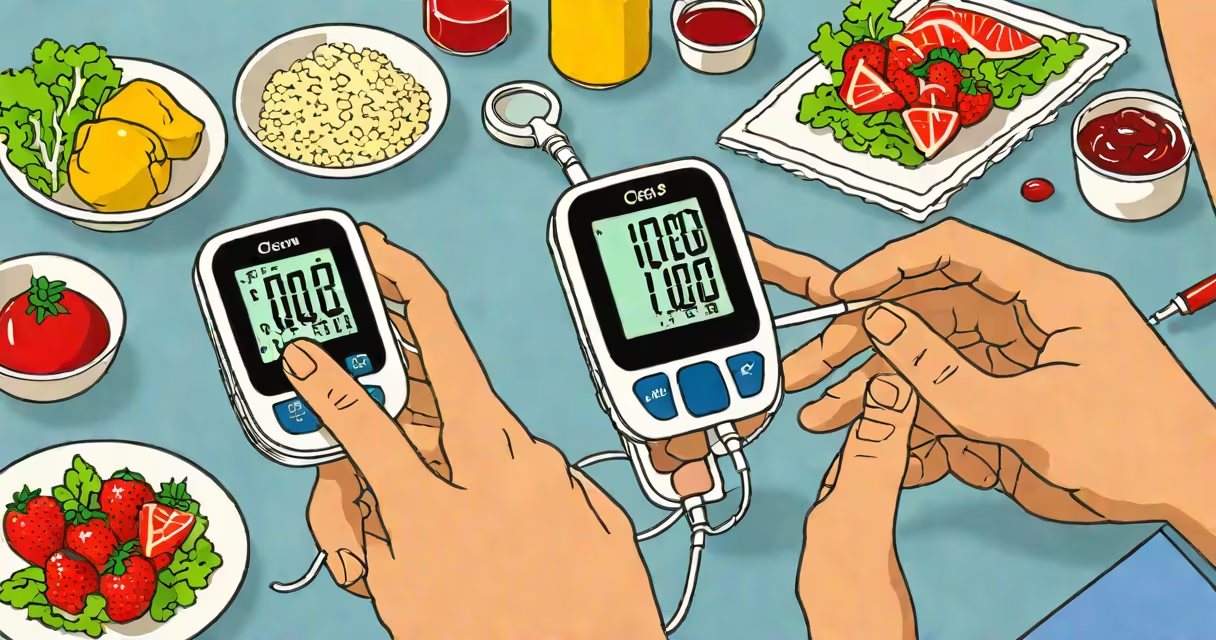
A1C is a blood test that measures average blood glucose levels over the past two to three months. Reducing A1C lowers the risk of diabetes complications such as nerve damage, vision loss, and heart disease. The goal for most people with diabetes is an A1C below 7%, though individual targets vary.
The A1C test reflects long-term glucose control. It's not a snapshot-it's a weighted average of daily blood sugar readings. For every 1% drop in A1C, the risk of microvascular complications drops by about 35%, according to the UK Prospective Diabetes Study (UKPDS).
Target A1C levels depend on age, duration of diabetes, and presence of other health conditions. The American Diabetes Association (ADA) recommends an A1C of less than 7% for most adults with diabetes, but values may be higher for older adults or those with comorbidities.
A1C is calculated based on how much glucose binds to hemoglobin in red blood cells. Since red blood cells live about 120 days, the test captures average glucose exposure over that period. High blood sugar leads to more glycation-the process where glucose attaches to hemoglobin-and raises A1C.
Reducing A1C requires sustained lowering of blood glucose. This happens through consistent dietary choices, physical activity, medication adherence, and regular monitoring. A single day of high blood sugar won't spike A1C, but repeated elevations do.
For example, someone with an A1C of 8.5% has an estimated average blood glucose of 183 mg/dL. Lowering that to 7% corresponds to an average of 154 mg/dL-a meaningful difference in long-term outcomes.
Effective A1C reduction combines behavioral changes and medical treatment. The most impactful strategies are supported by clinical trials and real-world data.
| Method | Expected A1C Reduction | Source Evidence |
|---|---|---|
| Dietary modification (low-carb, Mediterranean) | 0.5-1.0% | Diabetes Care, 2021 study on low-carb diets |
| Regular aerobic + resistance exercise (150 min/week) | 0.6-0.8% | American College of Sports Medicine guidelines |
| Metformin therapy (first-line drug) | 0.7-1.0% | UKPDS trial results |
| Insulin therapy (intensive regimens) | 1.0-1.5% | DCCT trial findings |
Low-carbohydrate diets consistently show better A1C outcomes than standard diabetic diets. A 2021 randomized controlled trial published in Diabetes Care found that participants on a low-carb diet (≤30g carbs/day) reduced their A1C by 1.2% over six months compared to 0.6% in the control group.
Exercise improves insulin sensitivity. Resistance training increases muscle glucose uptake, while aerobic activity enhances mitochondrial function in skeletal muscle. Both reduce fasting and postprandial glucose spikes.
Medications like metformin inhibit liver glucose production and improve peripheral insulin action. When combined with lifestyle changes, they amplify A1C reduction. Insulin therapy offers the most dramatic results but requires careful dosing and monitoring to avoid hypoglycemia.
Many assume fasting is required before an A1C test. That's incorrect. Unlike fasting glucose or oral glucose tolerance tests, A1C does not require fasting. You can eat normally before the test. This is a frequent misunderstanding that causes unnecessary stress.
Another misconception is that A1C reflects only recent blood sugar levels. In reality, it's a weighted average-recent readings have more influence, but old data still contribute. A sudden spike in glucose during the last week of the cycle can affect the result more than a steady rise over several weeks.
Some patients believe a single A1C result defines their health. But A1C fluctuates. A 0.3% variation can occur due to lab differences, hemoglobin variants, or even dehydration. The ADA notes that A1C should be interpreted alongside continuous glucose monitoring (CGM) data when available.
One non-obvious fact: Hemoglobin variants-such as HbS (sickle cell trait) or HbC-can interfere with A1C measurement. These variants cause falsely low or high A1C readings. If a patient has unexplained discrepancies between A1C and self-monitored glucose, testing for hemoglobinopathies may be necessary.
Consider a 52-year-old woman with type 2 diabetes and an initial A1C of 8.3%. She begins a structured plan: she reduces daily carbohydrate intake from 250g to 100g, walks 30 minutes daily, takes metformin 1000mg twice daily, and checks her blood glucose four times a day.
After three months, her A1C drops to 7.1%. After six months, it reaches 6.5%. Her average glucose, estimated from A1C, falls from 190 mg/dL to 145 mg/dL. She reports fewer episodes of fatigue and improved energy levels.
This outcome aligns with the Diabetes Control and Complications Trial (DCCT), which showed that intensive glucose control reduced the risk of retinopathy by 76% and nephropathy by 50% over five years.
While lifestyle changes are foundational, they don't replace medical evaluation. If A1C remains above target after three months of consistent effort, consult a healthcare provider. Adjustments may include changing medications, adding injectable therapies like GLP-1 agonists, or adjusting insulin doses.
Patients using continuous glucose monitors (CGMs) can see patterns that explain A1C trends. For example, post-meal spikes despite normal fasting glucose may indicate poor mealtime insulin response. CGM data helps tailor interventions more precisely.
I've seen patients achieve stable A1C reductions only after switching from basal insulin to a premixed regimen with better postprandial coverage. The key is individualized care-not one-size-fits-all plans.
Understanding how to reduce A1C involves knowing both the science and the practical steps. Focus on consistency, not perfection. Small, sustainable changes lead to measurable improvements in A1C and long-term health.
Reducing A1C is not a one-time fix. It's a continuous process of monitoring, adjusting, and adapting. With clear goals and evidence-based methods, lasting improvement is achievable.