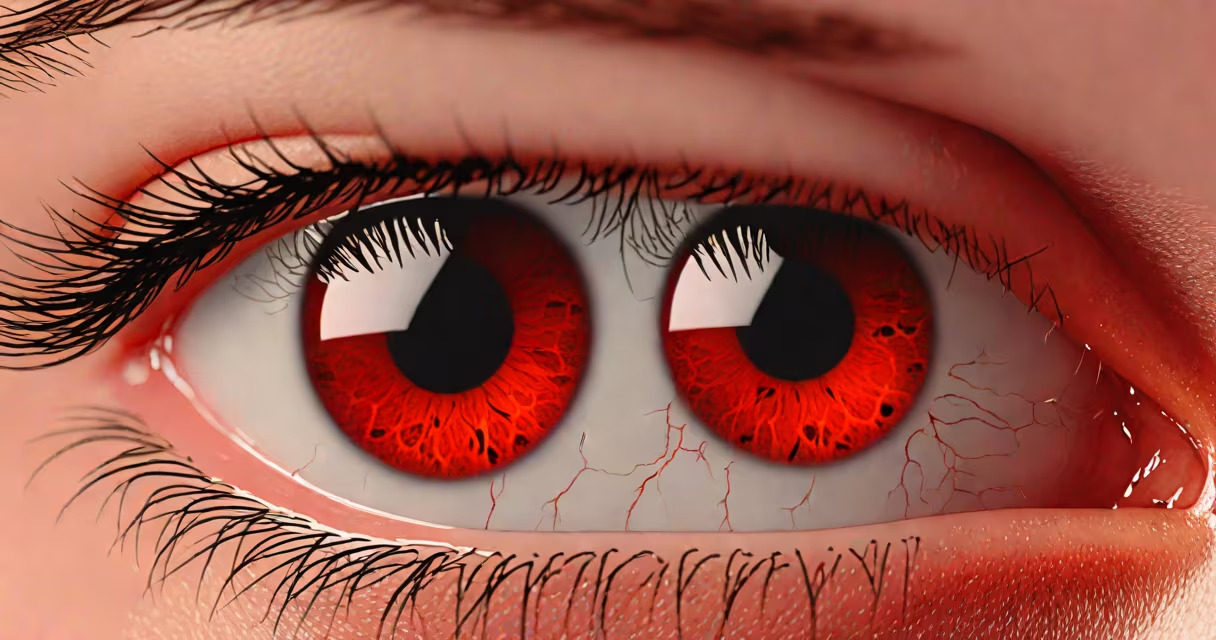
A red eye in only one eye typically results from inflammation, infection, or irritation affecting a single ocular structure. Unlike generalized redness from fatigue or allergies, unilateral redness points to a localized problem such as bacterial conjunctivitis, corneal abrasion, or uveitis.
Redness occurs when small blood vessels in the conjunctiva-the thin membrane covering the white of the eye-dilate due to injury, infection, or immune response. This dilation increases blood flow near the surface, making the eye appear pink or bright red. The condition may affect only one eye due to asymmetric exposure, trauma, or localized pathogens.
Common triggers include foreign bodies, contact lens overuse, dryness, or underlying systemic conditions like autoimmune disorders. Identifying whether the redness is isolated to one eye helps narrow diagnostic possibilities and guides treatment decisions.
When one eye turns red, the underlying mechanism usually involves vascular dilation triggered by irritants or immune activation. The conjunctiva contains a dense network of capillaries that respond rapidly to stimuli. When irritated, these vessels widen to deliver immune cells and nutrients to the site of injury or infection.
For example, a person who rubs their eye while wearing contact lenses may introduce bacteria like Staphylococcus aureus. The resulting infection causes localized inflammation, leading to redness, swelling, and discharge in one eye. Similarly, a scratch from a fingernail or tree branch can damage the cornea's surface, triggering pain and redness confined to one eye.
Environmental factors also play a role. Exposure to smoke, chlorine in swimming pools, or dry air from heating systems can irritate the ocular surface. These agents cause epithelial breakdown, activating inflammatory pathways that result in unilateral redness. Dry eye syndrome is especially likely to affect one eye if the person habitually sleeps with one eye slightly open or uses a fan directed at one side of the face.
Several distinct conditions lead to redness in a single eye. Understanding their differences helps distinguish between treatable issues and those requiring urgent care.
| Condition | Key Features | Typical Duration | Common Treatments |
|---|---|---|---|
| Bacterial Conjunctivitis | Yellow-green discharge, crusting eyelids, burning sensation | 3-7 days untreated | Topical antibiotic drops (e.g., erythromycin) |
| Allergic Conjunctivitis | Itchy eyes, watery discharge, seasonal pattern | Days to weeks during allergen exposure | Antihistamine eye drops (e.g., ketotifen) |
| Corneal Abrasion | Pain with blinking, light sensitivity, tearing | 1-3 days with healing | Eye patch, lubricant drops, antibiotics to prevent infection |
| Acute Angle-Closure Glaucoma | Sudden severe pain, blurred vision, nausea, fixed pupil | Medical emergency | Immediate intravenous medications, laser treatment |
Among these, acute angle-closure glaucoma is the most dangerous. It occurs when fluid buildup inside the eye raises pressure rapidly, compressing the optic nerve. Without treatment within hours, permanent vision loss can occur. Symptoms include intense eye pain, headache, nausea, and a red, cloudy appearance in one eye. Immediate evaluation at an emergency department is essential.
Another underrecognized cause is episcleritis-a mild inflammation of the tissue layer beneath the conjunctiva. It presents as a localized red patch, often with minimal discomfort. While self-limiting, it can mimic more serious conditions and should be ruled out by an ophthalmologist.
Many assume redness in one eye always stems from an infection. However, non-infectious causes like dry eye, trauma, or autoimmune diseases are equally prevalent. For example, Sjögren's syndrome-a chronic autoimmune disorder-can reduce tear production, leading to dryness and redness in one or both eyes. It often affects women over 40 and may coexist with joint pain or dry mouth.
Another misconception is that redness always indicates a serious problem. Mild redness from prolonged screen use or dry indoor air resolves quickly with rest and artificial tears. But persistent redness lasting more than 48 hours, especially with pain, vision changes, or discharge, warrants professional assessment.
Redness in one eye does not automatically mean the other eye is unaffected. A patient with uveitis-one form of intraocular inflammation-may initially notice redness in only one eye, but the condition can progress to involve both. Early diagnosis prevents complications like cataracts or retinal detachment.
In 2022, a 28-year-old woman presented to an urgent care clinic with a red left eye, mild pain, and a feeling of grittiness. She reported wearing her daily disposable contact lenses for 16 hours straight during a work trip. Upon examination, the ophthalmologist noted diffuse conjunctival injection, punctate staining on the cornea, and a small ulceration near the center of the cornea.
The diagnosis was microbial keratitis secondary to contact lens overwear. The patient had not removed her lenses overnight, creating a hypoxic environment conducive to bacterial growth. She was prescribed fortified antibiotic drops and advised to stop wearing contacts until healed. Her symptoms resolved in four days with treatment.
This case illustrates how a single behavior-extended contact lens wear-can trigger significant ocular pathology in one eye. It underscores the importance of proper lens hygiene and timely intervention.
Redness in one eye requires prompt attention if accompanied by pain, vision changes, light sensitivity, or discharge. These signs suggest potential corneal involvement or infection. The American Academy of Ophthalmology recommends seeing an eye doctor within 24 hours if redness persists beyond a day or worsens.
Redness associated with trauma-such as a blow to the eye or chemical splash-also demands immediate evaluation. Even minor injuries can lead to hyphema (blood in the anterior chamber), which increases intraocular pressure and risks optic nerve damage.
Unilateral redness should never be ignored. While many cases stem from minor causes like dryness or allergies, others require urgent treatment. If you're unsure, consult an optometrist or ophthalmologist rather than relying on over-the-counter remedies.
Understanding what causes one eye to be red enables faster identification of the root issue. Whether it's a scratched cornea, an infected contact lens, or a rare autoimmune condition, accurate diagnosis leads to effective treatment. Always prioritize eye health-your vision is irreplaceable.