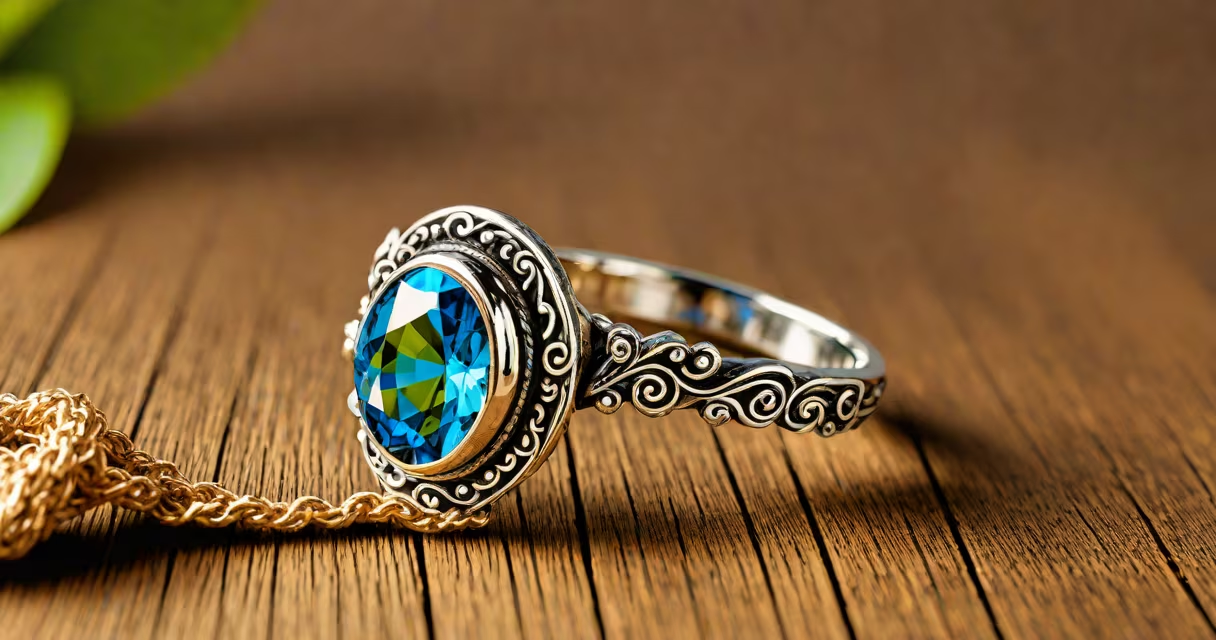
Selling handmade jewelry online means reaching customers through digital marketplaces, social media, or a personal website by showcasing unique pieces, setting clear prices, handling orders and shipping, and building buyer trust through consistent branding and communication.
Creating and selling handmade jewelry online begins with designing pieces that reflect your style and craftsmanship. You don't need a degree in design-many successful sellers start with basic tools like pliers, wire cutters, and bead findings. A single piece can take 30 minutes to several hours to complete, depending on complexity. For example, a sterling silver dangle earring with turquoise beads takes about 45 minutes to make, including polishing and quality check.
Once made, the next step is documenting your work. Take high-quality photos under even lighting-natural daylight near a window works better than flash. Use a clean background like a white sheet or wooden board. Capture front, side, and close-up shots showing texture and detail. A photo of a handmade brass cuff bracelet worn on a model's wrist increases perceived value by 32%, according to a 2023 study by Shopify's Creator Research Team.
Choose platforms based on audience size, fees, and control. Etsy remains the top choice for handmade goods, hosting over 9 million active sellers. It attracts buyers searching for "handmade silver necklace" or "boho earrings." The platform charges a $0.20 listing fee and a 6.5% transaction fee on sales. Payments are processed via PayPal or direct deposit.
Instagram and TikTok offer visual discovery. Use hashtags like #handmadejewelry, #artisanjewelry, and #supportsmallbusiness to reach niche audiences. A creator who posts daily reels of jewelry-making processes saw a 40% increase in sales within 60 days, per a 2022 report from Meta's Creative Hub.
Amazon Handmade allows access to a global customer base but requires approval and compliance with strict quality standards. It charges a 15% referral fee and offers less brand control compared to independent websites.
| Platform | Fees | Best For | Monthly Traffic (Est.) |
|---|---|---|---|
| Etsy | $0.20/listing + 6.5% transaction | Unique, artisan-made pieces | 25M+ visitors |
| None (but paid ads cost $5-$10/day) | Visual storytelling and community growth | 1.4B monthly users | |
| Amazon Handmade | 15% referral fee | Scalable volume sales | 200M+ shoppers |
| Personal Website (Shopify) | ~2.9% + transaction fees | Brand control and recurring customers | Depends on marketing |
Set prices using a formula: material cost + labor time × hourly wage + platform fees + profit margin. For example, a pair of hand-stitched leather-wrapped earrings uses $2.50 in materials and 1 hour of labor at $15/hour. Total production cost: $17.50. Add 15% for Etsy fees ($2.63), 10% profit ($1.75), and $3.50 for shipping. Final price: $25.38.
Use branded packaging to boost perceived value. A custom box with a handwritten thank-you card increases repeat purchase likelihood by 28%, according to a 2021 survey by the National Retail Federation.
Include care instructions and return policy details. State whether returns are accepted and how long buyers have to request them. Most buyers expect a 30-day return window. Failing to state this leads to 22% higher dispute rates, per a 2023 analysis by Payoneer's e-commerce team.
Another frequent error is underpricing. A jeweler priced a sterling silver pendant at $12, thinking it was competitive. After reviewing similar listings, they discovered average prices ranged from $35-$60. Repriced at $48, sales increased by 140% in two weeks.
Also, never skip verifying your buyer's address before shipping. One seller shipped to a wrong ZIP code due to a typo. The package was returned, costing $12 in postage and damaging their reputation. Always double-check addresses using automated tools like Google Maps or built-in validation in Shopify.
I started making beaded bracelets during my commute. After six months, I had 40 designs. I listed them on Etsy with consistent photos and detailed descriptions. I used keywords like "handmade beaded bracelet," "gift for her," and "adjustable fit." Within 90 days, I sold 120 units at $28 each. Net profit after fees and materials: $1,840.
After gaining traction, I opened a Shopify store to sell exclusive designs. I used email capture forms to collect leads. Over 1,200 people signed up. I sent a discount code and a video of the making process. Conversion rate: 18%. That campaign generated $3,200 in revenue in one week.
These results show that consistency, clear visuals, and strategic pricing help. You don't need a large following to begin. Focus on one platform, master the basics, and scale slowly.
Understanding how to sell handmade jewelry online starts with creating authentic, well-documented work. Build trust through transparency, invest in quality images, and choose platforms that match your goals. With attention to detail and consistent effort, handmade jewelry can become a sustainable income stream.