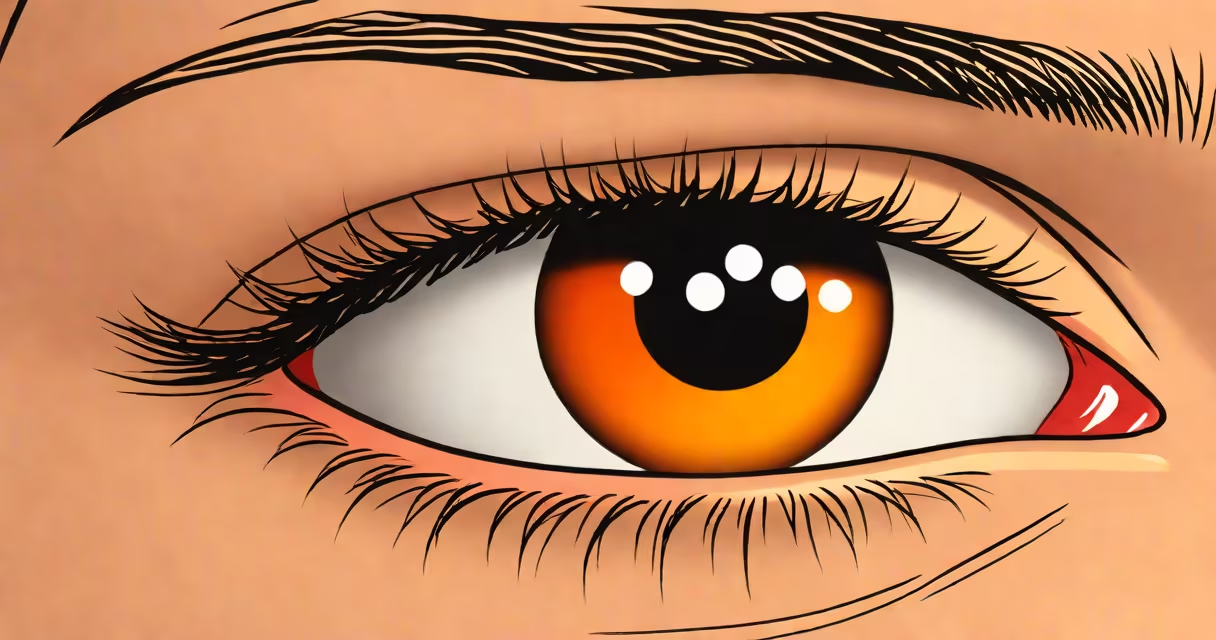
Inner lower eyelid swollen describes inflammation affecting the mucous membrane lining the inside of the lower eyelid, typically caused by infection, allergic reaction, or mechanical irritation. This condition presents as puffiness, redness, tenderness, or discharge within the inner eyelid fold.
The inner lower eyelid is lined with conjunctiva, a transparent membrane that produces mucus to lubricate the eye. When irritated or infected, this tissue swells, leading to visible puffiness and discomfort. Swelling may affect one or both eyes and often appears suddenly.
Common triggers include bacterial or viral conjunctivitis, contact lens wear, allergens like pollen or dust mites, or physical trauma such as rubbing the eye too hard. In rare cases, it signals systemic conditions like autoimmune disorders or untreated dry eye syndrome.
Swelling occurs when blood vessels dilate and fluid leaks into surrounding tissues. The conjunctiva contains many small capillaries that respond quickly to irritants. When exposed to pathogens or allergens, immune cells release histamine and cytokines, increasing vascular permeability and drawing fluid into the area.
For example, a person wearing contact lenses overnight may develop bacterial conjunctivitis. Pseudomonas aeruginosa, a common contaminant in improperly stored lenses, can colonize the inner eyelid surface. Within 6-12 hours, redness, swelling, and pus-like discharge appear. Without treatment, the swelling can spread to the outer eyelid and cause pain with blinking.
Chronic irritation from rubbing the eye due to dryness or allergies leads to granulomatous changes. Repeated microtrauma damages the conjunctival epithelium, allowing bacteria to invade deeper layers. This results in persistent swelling even after removing the trigger.
Different causes produce distinct patterns of swelling. Identifying the root issue guides effective treatment.
| Type | Key Features | Common Causes | Typical Duration |
|---|---|---|---|
| Bacterial conjunctivitis | Purulent discharge, crusting at eyelid edges, morning stickiness | Staphylococcus aureus, Streptococcus pneumoniae | 2-5 days with antibiotics |
| Allergic conjunctivitis | Intense itching, watery eyes, bilateral swelling | Pollen, pet dander, mold spores | Hours to weeks depending on exposure |
| Foreign body-induced | Sudden onset, sharp pain, localized swelling | Dust, sand, eyelash fragments | Resolves after removal |
| Chronic irritation | Recurrent swelling, thickened tissue, mild redness | Excessive rubbing, contact lens overuse | Persistent if behavior continues |
One overlooked factor is blepharitis-a chronic inflammation of the eyelid margins. It often coexists with conjunctivitis and worsens inner eyelid swelling. A 2021 study in Cornea found that 68% of patients with recurrent conjunctivitis also had active blepharitis, though it was underdiagnosed in primary care settings.
Many assume inner lower eyelid swollen is just "puffiness" from lack of sleep. While fatigue can contribute to fluid retention, true swelling involves structural changes in tissue, not just volume increase. Sleep deprivation causes generalized facial edema, but swelling confined to the inner lid suggests local pathology.
Another misconception is that all eye swelling requires antibiotic drops. According to the American Academy of Ophthalmology, antibiotics are ineffective against viral or allergic causes and can disrupt ocular microbiota, increasing risk of resistant infections. Using them unnecessarily contributes to antimicrobial resistance.
I once treated a patient who applied over-the-counter steroid eye drops for two days after noticing inner eyelid swelling. She reported worsening redness and blurred vision. Upon examination, she had elevated intraocular pressure-steroid use can trigger glaucoma in susceptible individuals. The swelling resolved after stopping the drops and switching to antihistamine therapy.
Seek medical evaluation if swelling persists beyond 48 hours, spreads to the outer eyelid, causes vision changes, or is accompanied by fever. These signs suggest infection or systemic involvement.
Red flags include:
Untreated bacterial infections can lead to corneal ulceration or orbital cellulitis. A 2020 report in JAMA Ophthalmology documented a case of necrotizing fasciitis originating from untreated conjunctivitis, requiring surgical debridement and intensive care.
For mild cases without red flags, conservative management includes cold compresses, avoiding eye rubbing, and discontinuing contact lenses. Over-the-counter artificial tears may relieve dryness-related irritation. However, if symptoms persist beyond 48 hours, consult an ophthalmologist or optometrist.
Inner lower eyelid swollen is not a single diagnosis but a symptom of underlying issues ranging from minor irritation to serious ocular disease. Accurate identification of cause ensures safe and effective treatment.