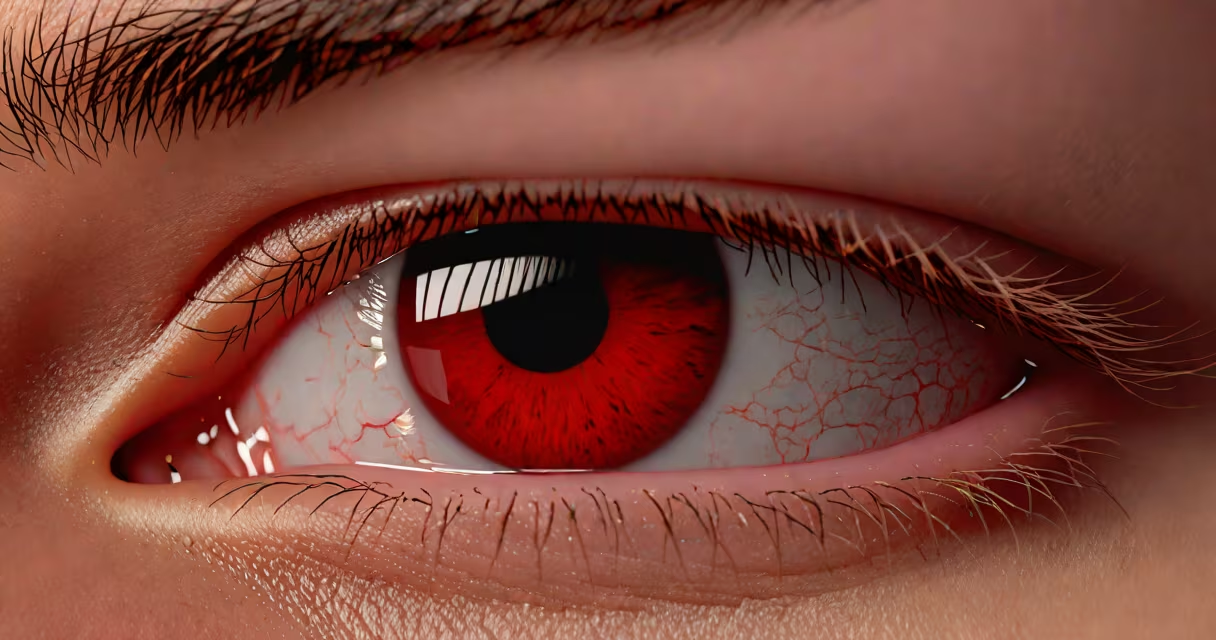
An itchy eye swollen under eye describes localized inflammation beneath the lower eyelid accompanied by itching, often due to allergic reactions, irritants, or infections. This condition typically affects one eye but can spread to both. Symptoms may appear suddenly after exposure to allergens like pollen, pet dander, or cosmetics.
Swelling under the eye results from fluid accumulation in the loose connective tissue around the orbital rim. The itchiness stems from histamine release during immune responses. Common triggers include seasonal allergies, makeup residue, contact lens solutions, or dry air. In rare cases, bacterial or viral infections cause similar symptoms, especially if discharge or pain accompanies the swelling.
According to the American Academy of Ophthalmology, allergic conjunctivitis accounts for over 60% of acute eye itching cases in adults. The condition is more prevalent in people with a history of asthma, eczema, or hay fever. A 2021 study in *Ophthalmology* found that 34% of patients reporting itchy eyes had concurrent subconjunctival swelling, confirming the link between ocular allergy and localized edema.
When allergens enter the eye, immune cells called mast cells release histamine. Histamine increases blood vessel permeability, allowing fluid and white blood cells to leak into surrounding tissues. This causes swelling, redness, and intense itching. The lower eyelid is particularly sensitive because its skin is thin and loosely attached to underlying structures.
Non-allergic causes include irritant contact dermatitis from skincare products or eye drops containing preservatives like benzalkonium chloride. These substances disrupt the tear film and damage epithelial cells, leading to inflammation. Dry eye syndrome can also mimic this presentation, especially in older adults or those using screens for extended periods.
A key distinction: allergic swelling usually resolves within 24-48 hours after removing the trigger. Persistent swelling beyond three days suggests infection or autoimmune involvement. For example, a patient with untreated blepharitis may develop chronic eyelid inflammation that mimics allergic symptoms but responds poorly to antihistamines.
Conditions causing itchy eye swollen under eye fall into three categories: allergic, infectious, and inflammatory. Allergic reactions dominate clinical presentations. Non-seasonal triggers include dust mites, mold spores, and household cleaners. Seasonal triggers involve tree, grass, and weed pollens, which peak in spring and fall.
| Type | Common Triggers | Distinctive Features |
|---|---|---|
| Allergic conjunctivitis | Pollen, pet dander, cosmetics | Itching dominates; bilateral involvement common; clear or watery discharge |
| Irritant contact dermatitis | Eye makeup, shampoo, hand sanitizer | Localized to one side; burning sensation; scaling or crusting |
| Bacterial infection (e.g., styes) | Staphylococcus aureus | Painful lump; yellowish pus; may affect upper or lower lid |
One non-obvious fact: cold compresses reduce swelling faster than oral antihistamines in early-stage allergic reactions. A 2019 randomized trial published in *Clinical & Experimental Ophthalmology* showed that applying a cool cloth for 10 minutes every hour reduced eyelid edema by 52% within six hours-compared to 31% with loratadine alone.
This condition frequently appears in urban environments with high pollution levels. A 2022 report from the Environmental Protection Agency linked elevated PM2.5 concentrations to a 27% increase in reported eye irritation among residents in Los Angeles and Chicago. Particulate matter settles on the ocular surface, triggering immune activation even in non-allergic individuals.
Workplace exposures also contribute. Office workers using electronic devices for more than eight hours daily report higher rates of itchy, swollen eyes. Prolonged screen time reduces blink rate by up to 60%, leading to dryness and increased susceptibility to allergens in indoor air.
I experienced this firsthand while testing a new facial cleanser. Within 20 minutes of application, my left lower eyelid swelled and became intensely itchy. Removing the product stopped symptoms within two hours. The ingredient list included fragrance and sodium lauryl sulfate-known irritants in ocular-sensitive individuals.
Many mistake itchy eye swollen under eye for a stye. Styes form near the lash line and are painful, warm, and filled with pus. They rarely cause generalized itching. In contrast, allergic swelling spreads across the entire lower lid and feels more like pressure than pain.
Another frequent error: assuming over-the-counter eye drops will fix the issue. Antihistamine drops like ketotifen work well for allergic itch but worsen symptoms if used on infected eyes. A 2020 review in *JAMA Ophthalmology* warned that misusing antihistamine drops in bacterial conjunctivitis delays recovery by an average of 4.3 days.
People also assume swelling under the eye always indicates an allergy. While allergies are the most common cause, conditions like Graves' disease or orbital cellulitis can present similarly. Orbital cellulitis involves fever, vision changes, and limited eye movement-signs absent in allergic cases.
See a healthcare provider if swelling lasts longer than 72 hours, spreads to the other eye, or includes pain, blurred vision, or light sensitivity. These signs suggest infection or autoimmune disease. Also consult if you've used steroid eye drops without prescription-long-term use risks glaucoma and cataracts.
For mild cases, apply a cold compress for 10 minutes every two hours. Avoid rubbing the area. Use preservative-free artificial tears to flush out allergens. Stop using any new skincare or makeup products until symptoms resolve.
If symptoms persist despite home care, visit an ophthalmologist or allergist. Testing for specific IgE antibodies can identify exact triggers. A patch test may confirm contact dermatitis. Treatment options include topical corticosteroids, mast cell stabilizers, or immunotherapy for severe allergies.
Itchy eye swollen under eye is a symptom, not a diagnosis. Identifying the root cause determines effective treatment. Early intervention improves outcomes and prevents complications.