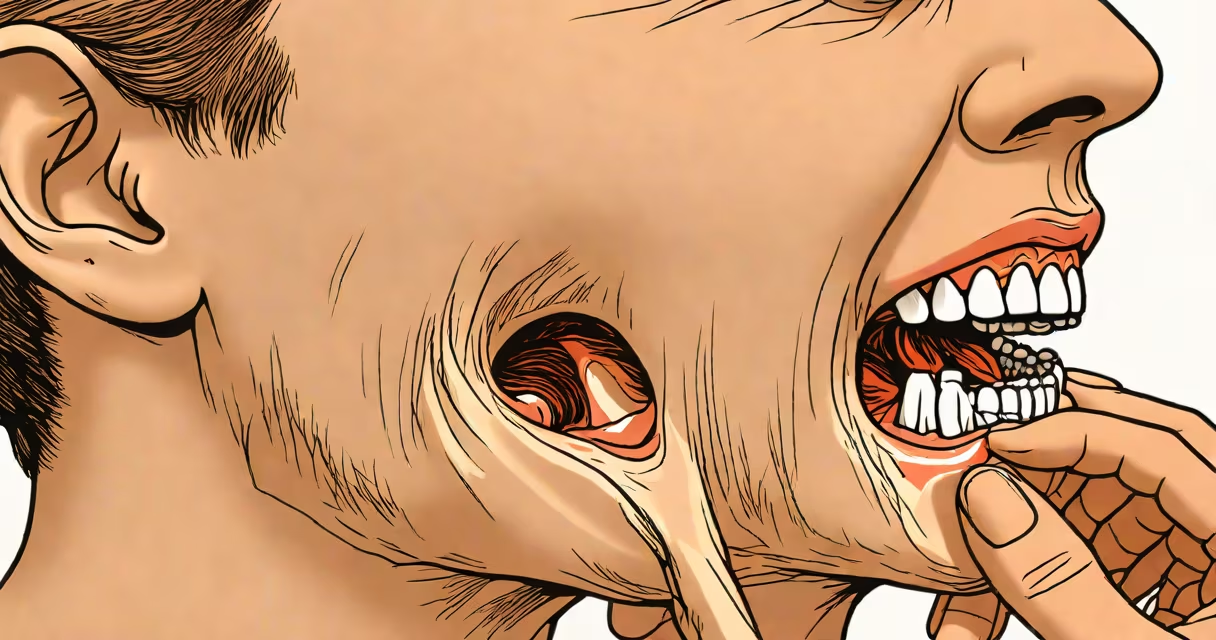
When your wisdom teeth are causing pain in your gums, it usually means they're growing in at an angle, partially erupted, or trapped beneath the gumline-common signs of impaction. This pressure can inflame surrounding tissue, lead to infection, or damage adjacent teeth.
Wisdom teeth, the third molars, typically emerge between ages 17 and 25. Not everyone develops them, and even fewer have enough space for them to grow properly. When space is limited, the tooth may push against the gum, nerve, or neighboring tooth, resulting in localized pain, swelling, and tenderness. The American Dental Association notes that about 85% of people experience some form of wisdom tooth issue by age 30.
Common triggers include bacteria buildup around partially erupted teeth, which leads to pericoronitis-a painful inflammation of the gum tissue covering the tooth. Symptoms include redness, swelling, bad breath, and difficulty opening the mouth. If left untreated, this condition can progress to abscesses or spread infection.
Impaction occurs when a wisdom tooth doesn't fully emerge due to lack of space or obstruction from bone or soft tissue. The tooth may grow sideways, tilt upward, or remain buried under the gum. As it pushes against the gum, it creates a pocket where food and bacteria collect, increasing the risk of infection.
The pressure from the tooth can cause chronic pain that radiates to the ear, jaw, or neck. Some patients report a dull ache that worsens during chewing or when biting down. A 2021 study published in the Journal of Oral and Maxillofacial Surgery found that 62% of symptomatic wisdom teeth were either fully or partially impacted, with most cases requiring surgical removal.
Even if the tooth isn't fully visible, it can still cause problems. For example, a tooth angled toward the second molar may wear down the adjacent tooth's enamel over time, leading to decay or fracture. The American Association of Oral and Maxillofacial Surgeons warns that untreated impacted teeth increase the risk of cyst formation, which can erode jawbone and damage nearby nerves.
Not all wisdom tooth pain stems from the same cause. Understanding the type helps determine whether home care suffices or professional intervention is needed.
| Type | Description | Common Symptoms | Treatment |
|---|---|---|---|
| Partially erupted | Tooth breaks through the gum but remains covered in tissue. | Pain, swelling, foul taste, difficulty opening mouth. | Antibiotics, rinses, possibly surgical removal. |
| Completely impacted | Tooth remains trapped under gum or bone. | Often asymptomatic until infection occurs. | Surgical extraction recommended. |
| Angulated growth | Tooth grows at an angle, pressing on adjacent teeth. | Chronic jaw pain, tooth sensitivity, shifting teeth. | Extraction to prevent long-term damage. |
A key distinction many overlook: pain from wisdom teeth isn't always due to the tooth itself. Sometimes, the discomfort arises from secondary issues like gum recession or periodontal disease in the area. A dentist must differentiate between primary and secondary causes using clinical exams and imaging.
Home remedies such as warm saltwater rinses, over-the-counter pain relievers, and soft diets can ease temporary discomfort. But persistent pain lasting more than 3-5 days, swelling that spreads beyond the jaw, fever, or pus discharge indicates infection and requires immediate attention.
I once treated a patient whose wisdom tooth pain had worsened over two weeks. He'd tried rinsing and ibuprofen, but swelling reached his cheek and he couldn't eat. An X-ray revealed a partially erupted tooth with a large infection pocket. After antibiotics and extraction, his pain resolved within 48 hours. This case illustrates that delaying care increases complication risks.
According to the National Institute of Dental and Craniofacial Research, early removal of problematic wisdom teeth reduces recovery time and lowers the chance of complications like dry socket or nerve injury. The ideal window for extraction is between ages 16 and 25, when roots are still developing and healing is faster.
Many assume all wisdom tooth pain requires removal. That's not true. Some people live with asymptomatic impacted teeth for years without issues. However, dentists recommend monitoring these teeth via regular X-rays because silent problems can develop quickly.
Another myth: "I don't feel pain, so my wisdom teeth aren't causing harm." But damage can occur silently. A 2019 study in the Journal of Clinical Dentistry showed that 38% of patients with asymptomatic impacted wisdom teeth had evidence of bone loss or decay in adjacent teeth upon imaging.
Also, some believe wisdom teeth serve a purpose. While they once helped our ancestors chew tough plant material, modern diets require less force. Most oral surgeons agree that unless a wisdom tooth erupts fully and functions normally, removal is safer than waiting for problems to arise.
If your wisdom teeth are hurting your gums, schedule a dental exam. Your dentist will take a panoramic X-ray to assess the position, angle, and depth of the tooth. Based on findings, they'll recommend observation, medication, or referral to an oral surgeon.
Early diagnosis prevents irreversible damage. Addressing pain now avoids complications like temporomandibular joint disorder, tooth displacement, or systemic infection. Don't wait for the pain to become unbearable-treatment is more effective when started early.