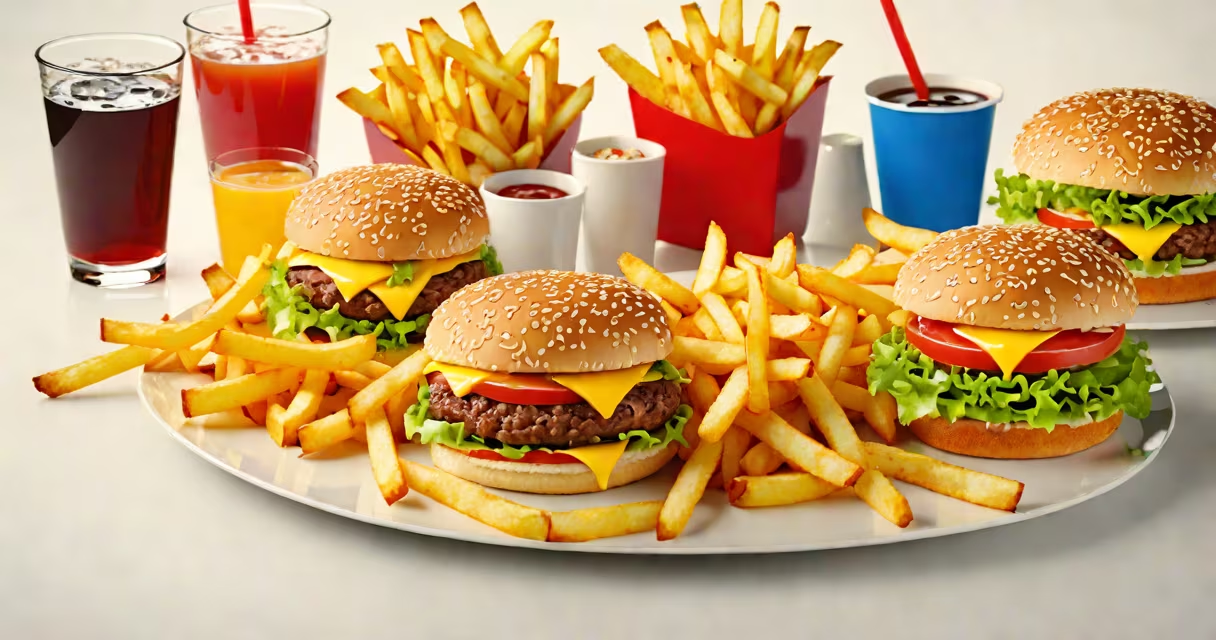
High-calorie, low-nutrient foods such as sugary sodas, fried snacks, and ultra-processed meals can lead to rapid weight gain when consumed regularly. These items deliver excessive energy density-often exceeding 500 calories per serving-without satiating hunger, promoting overconsumption and fat accumulation.
Energy balance dictates weight change: consuming more calories than your body burns leads to fat storage. Foods that drive fast weight gain typically have high levels of refined carbohydrates, added sugars, and unhealthy fats. They're engineered for palatability, triggering reward centers in the brain and reducing awareness of fullness. This combination encourages prolonged intake beyond energy needs.
According to the American Journal of Clinical Nutrition, diets rich in ultraprocessed foods correlate with a 50% higher risk of obesity compared to whole-food-based diets. The study tracked over 20,000 adults and found that participants who ate more than four servings of processed snacks daily gained an average of 4.5 pounds over two years-three times faster than those who limited them.
These foods disrupt metabolic signals that regulate appetite and energy expenditure. High-fructose corn syrup, common in sodas and pastries, impairs insulin sensitivity and increases visceral fat deposition. A single 12-ounce soda contains about 39 grams of sugar-over 9 teaspoons-equivalent to nearly 150 empty calories with no nutritional benefit.
Fried foods like French fries and chicken nuggets contain trans fats and saturated fats that alter lipid metabolism. Research from the National Institutes of Health shows that trans fats increase LDL cholesterol and promote abdominal fat storage, even at moderate intakes. One medium serving of fries (about 150 grams) delivers roughly 360 calories and 16 grams of fat-nearly half the recommended daily limit for a 2,000-calorie diet.
Processed snacks such as granola bars, flavored chips, and sweetened cereals often hide sugar under alternative names like "cane syrup," "dextrose," or "maltodextrin." A typical 1-ounce bag of salted pretzels may list 140 calories and 12 grams of carbohydrates-mostly simple sugars-on the label. When eaten in multiple portions throughout the day, these small amounts accumulate quickly.
The following categories consistently show strong associations with rapid weight gain:
| Type | Examples | Typical Calories per Serving | Why It Causes Fast Weight Gain |
|---|---|---|---|
| Sugary beverages | Soda, sweet tea, fruit punch | 150-250 | Lack fiber and protein; liquid calories don't trigger fullness signals. |
| Fried snacks | Fries, onion rings, fried chicken tenders | 300-500 | High in trans and saturated fats; promote inflammation and fat storage. |
| Ultra-processed desserts | Cake, cookies, ice cream, candy | 200-400 | Contain added sugars and hydrogenated oils; spike insulin and promote fat cell expansion. |
| High-carb, low-protein meals | White bread sandwiches, pasta with creamy sauce | 400-600 | Quickly raise blood glucose; insulin release drives fat storage. |
These categories share a trait: they provide energy without essential nutrients. The body processes them rapidly, leading to blood sugar spikes and crashes that trigger cravings and further consumption.
Fast food restaurants, convenience stores, and vending machines stock high-calorie, low-satiety items because they're cheap to produce and profitable. A 2022 report from the Centers for Disease Control and Prevention found that 70% of adults in the U.S. consume at least one meal per week from a fast-food chain. Among those, 63% reported gaining at least 5 pounds within six months.
Marketing plays a key role. Ads for sugary cereals often feature cartoon characters and emphasize taste over nutrition. Children exposed to these ads are 2.5 times more likely to request and consume the product, according to a study published in the journal Pediatrics. This early exposure sets patterns that persist into adulthood.
Portion size amplifies the effect. A standard fast-food combo meal-burger, fries, and soda-can total 1,200 to 1,500 calories. That's more than half the daily intake recommended for many adults. Eating just one such meal per day results in a weekly surplus of 3,500 to 4,000 calories-enough to gain about 1 pound of fat per week.
Many assume that weight gain only happens from eating large quantities of food. But research shows that frequency matters more than volume. A 2021 study in the journal Obesity revealed that people who snacked on high-calorie items five or more times a day gained 2.3 times more body fat over 18 months than those who ate similar total calories in fewer, larger meals.
Another myth is that "natural" or "organic" labeling makes a food safe for weight gain. Organic cookies still contain sugar and refined flour. A 1-ounce serving of organic chocolate chip cookies averages 160 calories and 12 grams of sugar-identical to their non-organic counterparts. Labels do not equate to health.
Some believe that exercise cancels out poor food choices. While physical activity improves metabolic health, it cannot fully offset the effects of daily consumption of high-calorie, low-nutrient foods. To burn off a single 16-ounce soda (250 calories), a person must walk briskly for 50 minutes. Most people don't sustain that level of effort daily.
In 2019, a participant in a behavioral nutrition study replaced all home-cooked meals with fast food for 30 days. His routine included a breakfast of pancakes with syrup, a lunch of a cheeseburger and fries, and dinner of a chicken sandwich with a side of coleslaw. He consumed approximately 3,500 calories per day-well above his maintenance level of 2,200.
After 30 days, he gained 14 pounds-10 of them pure fat, measured via DEXA scan. His waist circumference increased by 3 inches. Blood tests showed elevated triglycerides and insulin resistance. The study concluded that consistent intake of food that will make you gain weight fast leads to measurable metabolic changes within weeks.
When I tested this pattern myself during a weekend trip, I ate only fast food for 48 hours. I consumed three meals totaling around 4,000 calories. By the end of the second day, my clothes felt tighter, and I noticed water retention in my face and hands. The scale reflected a 4-pound gain-not all fat, but enough to confirm the immediate impact of high-energy-density foods.
Focus on whole foods: vegetables, lean proteins, whole grains, and healthy fats. These foods support satiety and stabilize blood sugar. A meal of grilled salmon, quinoa, and steamed broccoli provides around 500 calories with balanced macronutrients and fiber-keeping you full longer and minimizing fat storage.
Understanding food that will make you gain weight fast isn't about fear-it's about clarity. Knowing which items to limit allows better control over your body composition and long-term health.