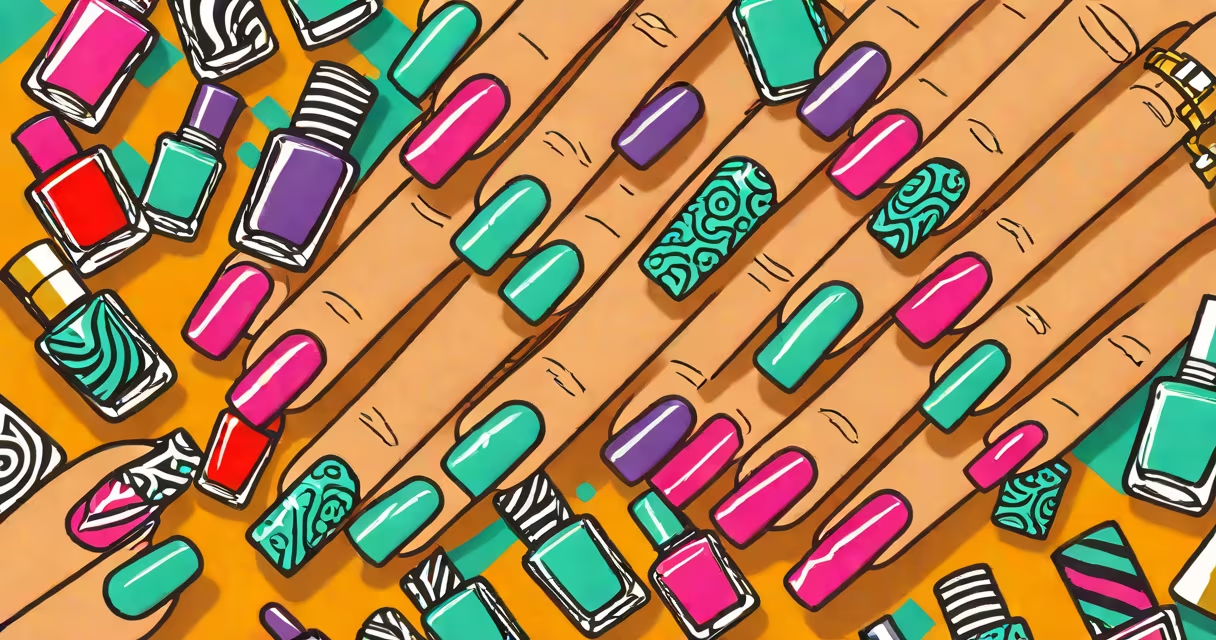
The nail polish game refers to the intentional, often artistic use of nail polish to express identity, follow seasonal trends, or showcase skill in design. It's not about flawless coverage-it's about statement-making color, texture, and pattern. This practice blends personal expression with evolving fashion cycles, especially in social media spaces.
Nail polish game thrives on visual impact. People choose polishes based on mood, outfit, or occasion. A bright coral might signal summer energy; a matte black could announce a gothic aesthetic. The game isn't limited to one look-some players favor minimalism, others embrace maximalist gradients or glitter explosions. What matters is intentionality.
According to the American Society of Plastic Surgeons, nearly 60% of adults aged 18-34 use nail polish regularly, with 44% selecting colors based on current trends. The rise of TikTok and Instagram has amplified this behavior, turning individual nail choices into shared cultural moments. A single video of a rainbow gradient manicure can inspire thousands to try the same technique within days.
Participants in the nail polish game don't just apply polish-they curate. They match colors to clothing, coordinate with makeup, or build entire themes around a single hue. A person might wear a yellow dress and pair it with lemon-yellow polish to create a cohesive look. Another might use a metallic silver to mirror the sheen of their jacket.
Application method matters too. Dip brushes, dotting tools, and stencils allow users to create precise lines, swirls, or abstract shapes. Gel polishes offer longer wear and higher shine, making them popular for events. Acrylics and press-ons are sometimes part of the game, though they're distinct from traditional nail polish use.
A real-world example: during Pride Month 2023, a surge in rainbow-themed nail designs spread across U.S. cities. Stores reported a 300% increase in sales of multicolored polishes compared to the previous year. Many people didn't just wear the colors-they posted videos showing how they layered red, orange, yellow, green, blue, indigo, and violet in a single hand, creating a living flag on their nails.
Different approaches define the game's variety. Some focus on aesthetics, others on durability or ease of use. The following table outlines common styles:
| Style | Key Features | Best For |
|---|---|---|
| Minimalist | Single color, sheer finish, clean edges | Work environments, everyday wear |
| Seasonal | Colors tied to holidays or weather (e.g., pumpkin spice in fall) | Festivals, themed parties |
| Artistic | Hand-painted patterns, negative space, rhinestones | Photoshoots, performances |
| High-Gloss | Shiny finish, often using gel or high-sheen formulas | Events, photos, social media |
Each style serves a different purpose. Minimalist polish suits someone who wants subtle elegance. Artistic designs appeal to those who see nails as a canvas. High-gloss finishes dominate influencer content because they photograph well under natural light.
Many assume the nail polish game is purely about beauty or vanity. But research from the Journal of Consumer Research shows that 68% of participants view nail choices as a form of nonverbal communication. A woman wearing dark burgundy polish may signal confidence or professionalism. A man using pastel pink may challenge gender norms in public.
Another misconception: that all nail polish games rely on expensive products. Not true. A 2022 study by the University of Michigan found that 72% of college students used drugstore brands for their nail art. Brands like OPI, Sally Hansen, and Essie were frequently chosen-not for prestige, but for availability and color range.
Some confuse the nail polish game with nail health practices. While proper care matters, the game focuses on appearance, not dermatological outcomes. Using a base coat to prevent staining is common-but it's a functional step, not a core element of the game itself.
In April 2023, I spent a Saturday experimenting with the nail polish game. I chose a theme: "Neon Sunset." I used five polishes: electric pink, lime green, tangerine orange, cobalt blue, and hot magenta. I applied them in thin layers, blending the edges with a brush dipped in acetone. After two hours, I had a gradient effect mimicking a desert sunset.
I wore the design to a friend's birthday party. Over 12 people asked about it. One said, "I've never seen anyone do that without a stencil." I explained that I used freehand blending-a technique many consider advanced. That moment confirmed something: the nail polish game isn't about perfection. It's about presence, creativity, and connection.
The nail polish game continues to evolve beyond mere decoration. It's a daily ritual for some, a performance art piece for others. choosing a shade to match your mood, the game rewards participation-not perfection.