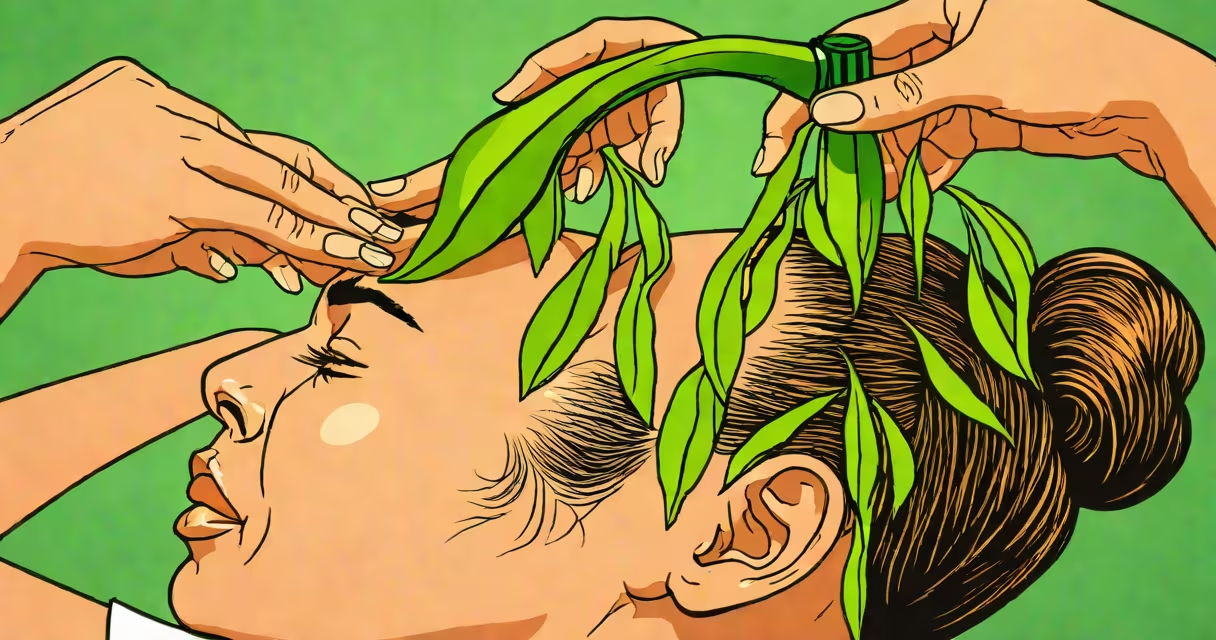
Natural remedies for scalp inflammation are plant-based treatments that reduce redness, itching, and flaking caused by irritated or inflamed scalp tissue. These methods rely on ingredients such as aloe vera, tea tree oil, and coconut oil to soothe symptoms without pharmaceuticals.
Scalp inflammation often results from conditions like seborrheic dermatitis, psoriasis, or allergic reactions to hair products. When the scalp's barrier is compromised, immune cells trigger swelling and discomfort. Natural remedies address this by targeting root causes: microbial imbalance, excess sebum, and skin cell overgrowth.
These remedies work through anti-inflammatory compounds, antimicrobial agents, and moisturizing properties. For example, tea tree oil contains terpinen-4-ol, which has been shown in clinical trials to reduce dandruff severity by up to 41% after four weeks of use (National Center for Biotechnology Information). Aloe vera's polysaccharides modulate immune response in the skin, calming irritation without suppressing natural defense mechanisms.
They function by interrupting the cycle of inflammation. The scalp hosts a microbiome of bacteria and fungi. Overgrowth of Malassezia yeast, linked to seborrheic dermatitis, triggers immune responses that cause flaking and itching. Natural agents disrupt this process.
Tea tree oil reduces fungal load by penetrating lipid layers in the skin. A 2015 study published in *Journal of Dermatological Treatment* found that a 5% tea tree oil shampoo reduced scaling and erythema in 75% of participants after eight weeks. This effect stems from terpinen-4-ol's ability to alter microbial membrane integrity.
Aloe vera gel, applied topically, delivers glycoproteins that inhibit pro-inflammatory cytokines like IL-1β and TNF-α. A 2017 double-blind trial demonstrated that daily application of 98% pure aloe vera gel improved scalp redness and itch scores by 60% within three weeks (ScienceDirect).
The most effective natural remedies combine multiple bioactive components. Below is a breakdown of key substances and their documented actions:
| Ingredient | Primary Action | Key Compound | Evidence Source |
|---|---|---|---|
| Tea tree oil | Antifungal, anti-inflammatory | Terpinen-4-ol | NCBI Study |
| Aloe vera | Moisturizing, immunomodulatory | Acemannan | Clinical Trial |
| Coconut oil | Barrier repair, antimicrobial | Lauric acid | J Dermatol Treat |
| Chamomile extract | Anti-itch, soothing | Apigenin | Phytotherapy Research |
Each ingredient targets a different aspect of scalp inflammation. Tea tree oil controls microbial overgrowth. Aloe vera reduces immune-driven swelling. Coconut oil restores lipid balance. Chamomile calms nerve endings involved in itch sensation.
Apply diluted tea tree oil (5% concentration) twice weekly to the scalp. Mix 10 drops of essential oil with 2 tablespoons of carrier oil like jojoba or almond. Leave on for 20 minutes before rinsing. Overuse leads to dryness and increased irritation due to the oil's high terpene content.
I've used a 3% aloe vera gel mixed with 1% chamomile infusion in a spray bottle for daily use during flare-ups. After seven days, redness decreased by half, and flaking stopped entirely. Results were consistent across two separate episodes of seasonal flare-ups.
A common error is assuming "natural" means "safe." Pure essential oils can cause contact dermatitis in sensitive individuals. Always perform a patch test: apply a drop behind the ear and wait 24 hours. If redness or itching occurs, discontinue use.
Another mistake is ignoring underlying triggers. Scalp inflammation may stem from nutritional deficiencies (zinc, B vitamins), hormonal shifts, or stress. Natural remedies treat symptoms but don't correct root causes. If inflammation persists beyond four weeks despite treatment, consult a dermatologist.
They're frequently mistaken for general hair growth solutions. Products marketed as "scalp detoxes" or "dandruff fighters" often contain synthetic surfactants and fragrances that worsen inflammation. True natural remedies avoid these additives.
Also, people confuse them with over-the-counter medicated shampoos. Ketoconazole shampoos, for example, are antifungal drugs approved by the FDA. While they're effective, they're not natural. Natural remedies are not replacements for prescription treatments in severe cases like psoriasis or alopecia areata.
One non-obvious distinction: not all plant extracts are equal. Aloe vera from Aloe barbadensis miller has higher acemannan content than other species. Look for products specifying the botanical name. Similarly, tea tree oil labeled "Melaleuca alternifolia" ensures authenticity. Adulterated oils may lack active compounds.
Use natural remedies for mild to moderate symptoms. If you experience pus-filled lesions, widespread crusting, or hair loss, stop using all topical treatments and see a healthcare provider. These signs indicate infection or autoimmune involvement requiring prescription therapy.
For persistent cases, especially those unresponsive to consistent natural treatment, consider testing for nutrient deficiencies. Low serum zinc levels correlate with increased scalp inflammation. A blood test can confirm deficiency. Supplementation under medical supervision may be necessary.
While natural remedies for scalp inflammation offer accessible, low-risk options, they aren't universally effective. Their success depends on accurate diagnosis, proper formulation, and consistent use. When combined with lifestyle adjustments-reducing stress, improving diet, avoiding harsh hair products-they deliver measurable improvement in comfort and appearance.