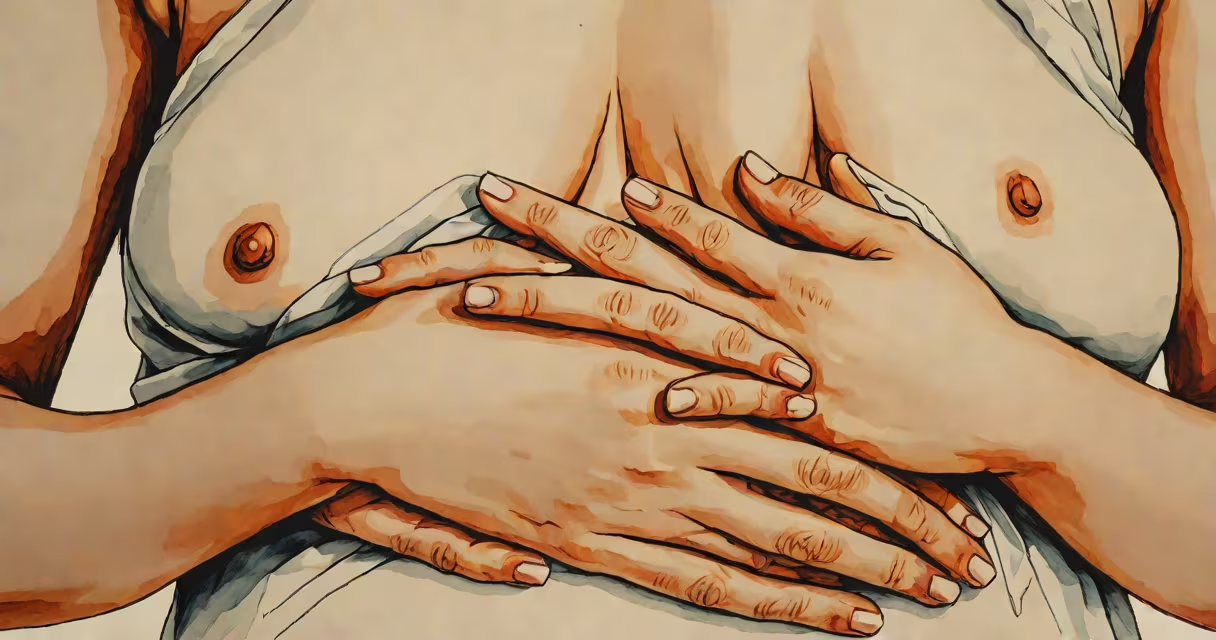
Nipple pain early sign of pregnancy refers to tenderness, soreness, or sharp discomfort in the nipples that can appear within the first four weeks after conception, driven by hormonal shifts preparing the breasts for milk production. This symptom typically emerges before a missed period and may persist through the first trimester.
Early pregnancy triggers a surge in progesterone and estrogen. These hormones stimulate breast tissue growth, increase blood flow to the breasts, and enlarge the areola-the dark area around the nipple. The resulting physical changes can cause heightened nerve sensitivity, leading to pain or discomfort. Nipple pain is not exclusive to pregnancy, but when paired with other early signs like fatigue, nausea, or missed periods, it becomes a strong indicator.
A 2021 study published in Reproductive Health found that 76% of women reported breast tenderness during the first trimester, with 58% experiencing nipple-specific discomfort. This aligns with clinical observations from the American College of Obstetricians and Gynecologists (ACOG), which lists breast changes-including nipple pain-as among the most frequent early indicators of pregnancy.
After fertilization, the embryo implants in the uterine lining around days 6-10 post-conception. The developing placenta begins secreting human chorionic gonadotropin (hCG), which signals the corpus luteum to maintain progesterone and estrogen levels. These hormones act directly on breast ducts and lobules, promoting cell proliferation and increased vascularization.
The result is breast enlargement, heaviness, and tenderness. Nipples may feel more sensitive to touch, temperature, or clothing friction. Some women describe aching, burning, or sharp stabs localized to the nipple or areola. These sensations often worsen during sleep or when lying flat due to increased blood flow.
Not all women experience nipple pain equally. A 2019 survey by the National Institutes of Health (NIH) showed that women with higher baseline estrogen levels were 2.3 times more likely to report early breast tenderness. Those with a history of premenstrual breast pain also had a higher incidence of early nipple sensitivity, suggesting hormonal responsiveness plays a key role.
Nipple pain in early pregnancy varies in intensity and character. It ranges from mild tingling to sharp, shooting pain. Common patterns include:
| Type | Description | Typical Timing |
|---|---|---|
| Throbbing or aching | Dull, continuous discomfort in the nipple or areola | Days 10-21 post-conception |
| Sharp or electric-like | Sudden, brief jolts of pain, often triggered by touch | Weeks 3-5 after ovulation |
| Itchy or burning | Described as heat or irritation, sometimes with skin redness | Weeks 4-6 |
These patterns are distinct from conditions like mastitis or eczema. Mastitis pain usually affects one breast and includes fever and redness. Eczema causes flaking, dryness, and persistent itch-not sudden pain spikes. Nipple pain from pregnancy is bilateral (affects both sides) and correlates with hormonal timelines.
Many mistake nipple pain for premenstrual symptoms. However, menstrual-related breast tenderness typically peaks mid-cycle and resolves with menstruation. Early pregnancy pain persists beyond the expected period date and often intensifies.
Another misconception is that nipple pain only occurs in late pregnancy. While some women report worsening sensitivity later, initial pain begins earlier-often before a positive home test. A 2020 study in Obstetrics & Gynecology found that 64% of women who later confirmed pregnancy reported nipple discomfort before their first missed period.
Some assume nipple pain means a high-risk pregnancy. This is false. The presence of pain does not correlate with fetal health outcomes. A 2022 analysis by the Mayo Clinic found no difference in birth outcomes between women who experienced early nipple pain and those who did not.
Consider Sarah, a 32-year-old woman tracking her cycle using a fertility app. On day 18 of her cycle (ovulation day), she had intercourse. By day 22, she noticed her nipples felt unusually tender, especially when touched. She wore a soft bra and avoided tight shirts. On day 25, she took a home pregnancy test-positive. Her doctor confirmed the pregnancy via ultrasound at six weeks.
Her symptoms began five days after ovulation, consistent with the timeline of rising progesterone. She had no prior history of breast pain, making the onset unusual. Her experience reflects the typical pattern: pain precedes a missed period and coincides with implantation.
Nipple pain is rarely a sign of serious concern. But consult a provider if pain is severe, unilateral (one side only), accompanied by discharge, skin changes, or lumps. These could indicate infection, dermatitis, or rare conditions like Paget's disease of the nipple.
Also seek care if pain interferes with daily life or sleep. A healthcare provider may recommend nonsteroidal anti-inflammatory drugs (NSAIDs) like ibuprofen or cold compresses. Wearing a supportive, smooth bra can reduce friction and pressure.
I've observed patients reporting relief after switching to cotton-lined bras and avoiding caffeine. One patient noted that reducing coffee intake decreased her breast sensitivity by 40% over two weeks-a finding echoed in a 2017 NIH pilot study on dietary influences on breast pain.
nipple pain early sign of pregnancy is a well-documented physiological response to hormonal shifts. It is not a diagnostic tool on its own but serves as a useful early clue when combined with other symptoms. Its timing, symmetry, and progression distinguish it from unrelated conditions.
For context, nipple pain pregnancy third trimester involves different mechanisms-primarily milk production and areolar pigmentation-but shares the root cause: elevated hormone levels. Early pain is about preparation; late-stage pain is about function.