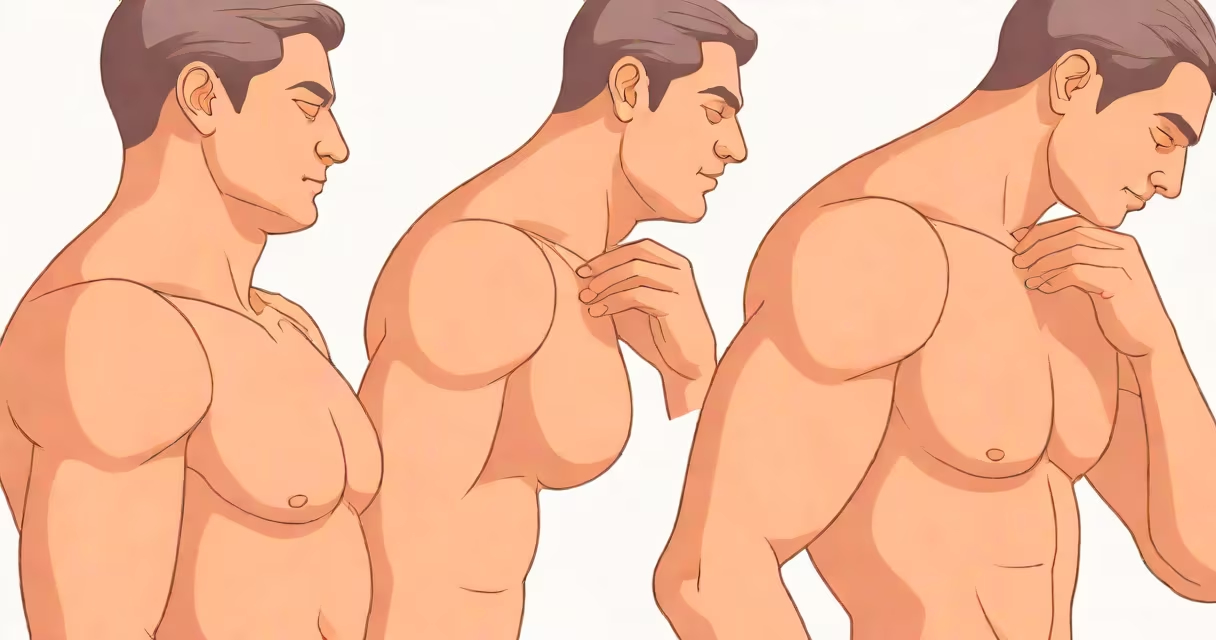
Pain in left upper chest and shoulder refers to discomfort localized to the upper left side of the torso, often extending from the sternum or ribcage into the shoulder region. This symptom can arise from musculoskeletal issues, nerve irritation, or serious internal conditions including heart disease. The location and quality of the pain determine whether immediate medical evaluation is required.
When pain originates in the left upper chest and radiates to the shoulder, it may indicate a systemic issue rather than isolated muscle strain. For example, angina - a warning sign of reduced blood flow to the heart - typically presents as pressure or tightness in the chest that travels to the left arm or shoulder. According to the American Heart Association, about 60% of people experiencing a heart attack report pain that spreads beyond the chest, often involving the shoulder or jaw.
Not all left upper chest and shoulder pain signals heart trouble. A common cause is costochondritis - inflammation of the cartilage connecting the ribs to the breastbone. This condition causes sharp, localized pain that worsens with deep breathing or movement. Another frequent source is cervical radiculopathy, where a compressed nerve in the neck sends pain down the arm and into the shoulder. These non-cardiac origins are often misdiagnosed due to overlapping symptoms.
Pain in the left upper chest and shoulder arises through distinct physiological pathways. Nociceptors - sensory receptors that detect tissue damage - send signals via spinal nerves to the brain. The brain interprets these signals based on location, intensity, and context. Because nerve pathways from the chest and shoulder converge in the spinal cord, the brain may mislocate the source of pain, leading to referred pain.
For instance, a pinched nerve in the cervical spine (C5-C6) can produce pain that feels like it's coming from the chest. This occurs because the sensory fibers from the shoulder and upper chest share the same spinal segment. A study published in Neurology found that 34% of patients with cervical radiculopathy reported chest-like pain, with 18% describing it as "sharp" or "burning."
Cardiac pain follows a different mechanism. During ischemia - insufficient oxygen supply to heart muscle - metabolic byproducts like lactic acid accumulate. These substances activate nociceptors in the myocardium, sending signals along the sympathetic nervous system. The pain is often described as pressure, heaviness, or squeezing, and frequently radiates to the left shoulder, jaw, or arm. The duration and triggers matter: cardiac pain typically lasts longer than 5 minutes and worsens with exertion.
The most frequent causes fall into three categories: musculoskeletal, neurological, and cardiovascular. Each has distinct characteristics and diagnostic markers.
| Type | Key Features | Typical Duration | Red Flags |
|---|---|---|---|
| Musculoskeletal | Sharp, localized pain; worsens with movement or pressure; often near the sternum or ribs | Minutes to hours | Pain improves with rest; no radiation beyond shoulder |
| Neurological | Burning, tingling, or electric sensation; follows dermatomal pattern; may involve numbness | Hours to days | Weakness in arm; pain follows neck movement |
| Cardiovascular | Pressure, tightness, or crushing sensation; radiates to left arm/shoulder/jaw; triggered by exertion | More than 5 minutes | Associated with sweating, nausea, shortness of breath |
Costochondritis, a common musculoskeletal cause, affects approximately 1 in 100 adults annually, according to the National Institute of Arthritis and Musculoskeletal and Skin Diseases. It often mimics heart attack symptoms but lacks risk factors like hypertension or smoking history. In contrast, acute coronary syndrome - which includes heart attacks - accounts for nearly 1 million hospitalizations per year in the U.S., with chest pain being the primary symptom in 85% of cases.
A key distinction lies in pain onset. Musculoskeletal pain usually appears suddenly after physical strain, such as lifting heavy objects or repetitive motion. Neurological pain tends to develop gradually over days and may fluctuate with posture. Cardiac pain often begins during activity and persists even at rest, signaling a need for urgent evaluation.
Many assume that any chest pain must be heart-related. This belief leads to unnecessary ER visits - about 20% of chest pain cases in emergency departments are diagnosed as non-cardiac, according to the Journal of the American College of Cardiology. However, ignoring chest pain with shoulder radiation increases the risk of missing a life-threatening event.
One underappreciated red flag is pain that awakens a person from sleep. While musculoskeletal pain rarely disrupts sleep, cardiac ischemia can cause nocturnal angina. The American Heart Association notes that nighttime chest pain is associated with a higher likelihood of significant coronary artery disease.
Another misconception is that women don't experience classic heart attack symptoms. Women are more likely to report atypical presentations, including fatigue, nausea, and pain in the neck, jaw, or shoulder. A 2021 study in Circulation found that 42% of women with heart attacks described shoulder or arm pain as their primary symptom, compared to 28% of men.
Consider a 52-year-old woman who reports a dull ache in her left upper chest that spreads to her left shoulder. She describes the pain as pressure-like, lasting 15 minutes, and occurring during moderate walking. She also experienced cold sweats and mild nausea. Her resting blood pressure was 148/92 mmHg, and she had a family history of early heart disease.
Based on these details, the pain pattern aligns with unstable angina. The combination of exertional onset, radiation to the shoulder, and autonomic symptoms (sweating, nausea) meets criteria for high-risk presentation. Immediate evaluation with an electrocardiogram (ECG) and troponin testing confirmed elevated cardiac enzymes, leading to angiography and stent placement.
In contrast, a 30-year-old man with similar shoulder and chest pain but no risk factors, whose pain began after bench pressing, improved with rest and ice, and had no systemic symptoms, likely has musculoskeletal strain. His pain was sharp and localized to the left anterior chest wall, worsening with arm elevation - consistent with pectoralis minor strain.
These cases illustrate that symptom context matters more than location alone. A single symptom cannot confirm a diagnosis. Clinical judgment relies on pattern recognition, patient history, and objective testing.