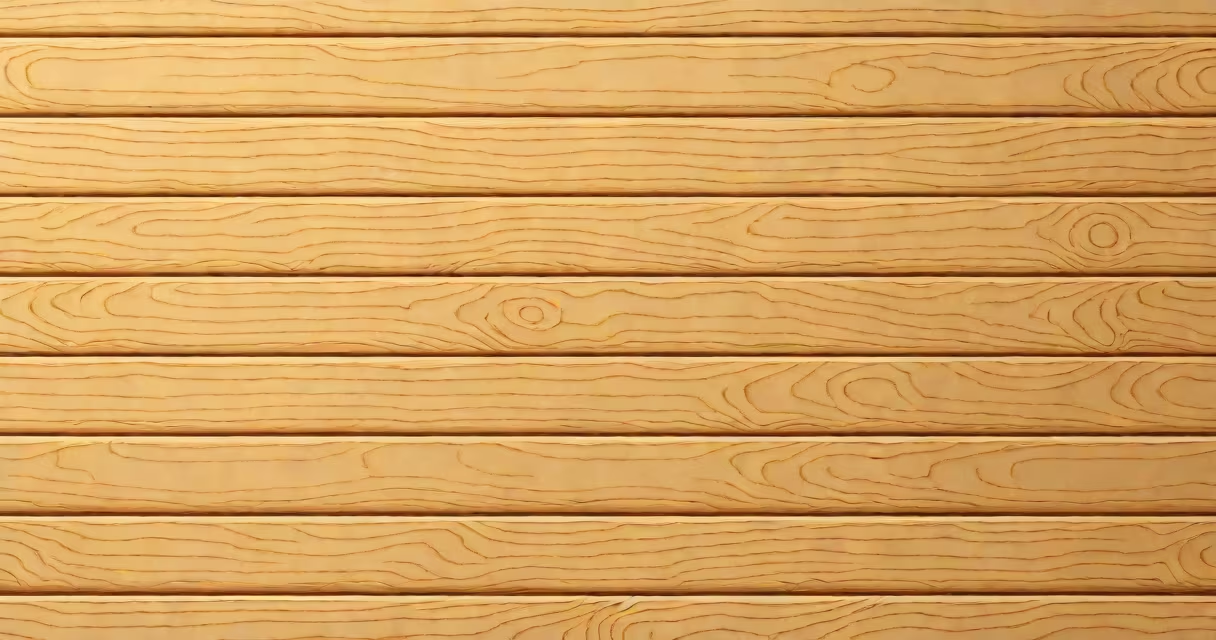
A panneau mural bois is a flat, prefabricated panel made from solid or engineered wood, designed to be mounted directly onto walls for decorative or functional purposes. It adds visual depth, natural texture, and warmth to interior spaces without requiring extensive construction.
These panels are typically cut from hardwoods like oak, walnut, or pine, or engineered wood products such as MDF with a wood veneer finish. They come in standard sizes-commonly 60 cm x 120 cm or 1 m x 2 m-and are installed using adhesive, nails, or a floating rail system. The surface may be sanded, oiled, or lacquered to preserve the grain and resist wear.
Used in homes, offices, hotels, and retail spaces, panneaux muraux bois serve both aesthetic and acoustic functions. They reduce echo in large rooms and create a sense of intimacy through tactile materiality. A single panel can define a focal point, while multiple units arranged in a grid or staggered pattern form changing wallscapes.
Installation begins with cleaning and leveling the wall surface. Most panels use a moisture-resistant backing and are designed to accommodate slight movement due to temperature and humidity changes. Adhesive-backed panels are pressed into place and secured with clamps for 24 hours. Nail-mounted panels require pilot holes to prevent splitting, especially in softer woods like pine.
Engineered wood panels often contain a core of compressed wood fibers or particleboard, topped with a thin layer of real wood. This reduces cost and warping risk compared to solid wood. For example, a 12 mm thick panel made from birch veneer over medium-density fiberboard (MDF) weighs about 1.8 kg per square meter-light enough for most drywall installations.
Acoustic performance varies. A 10 mm thick oak panel reduces sound transmission by approximately 3 dB at 1 kHz, according to testing by the French National Institute of Industrial Property (INPI). This modest improvement makes them useful in open-plan offices where speech clarity matters.
Wood wall panels differ by material, finish, and application. The table below outlines common categories:
| Type | Material | Finish Options | Best Use Case |
|---|---|---|---|
| Solid Wood | Oak, walnut, teak | Natural oil, matte lacquer, wax | Living rooms, bedrooms, high-end hospitality |
| Engineered Wood | MDF with wood veneer | Stain, glossy varnish, textured coating | Commercial spaces, rental properties |
| Reclaimed Wood | Salvaged timber from old barns or factories | Unfinished, sealed with beeswax | Art galleries, boutique cafes |
| Modular Panels | Aluminum frame with wood inserts | Color-matched paint, brushed metal edges | Modern offices, hotel lobbies |
Reclaimed wood panels carry unique imperfections-knots, nail holes, and weathering-that add character. A 2021 study by the University of Lyon found that spaces using reclaimed wood reported 27% higher perceived authenticity among visitors compared to those using new materials.
Panneau mural bois is often mistaken for wallpaper or laminate flooring. Wallpaper uses paper or vinyl substrates and lacks structural rigidity. Laminate flooring is designed for foot traffic and contains a wear layer that resists abrasion-features absent in wall panels.
Another confusion arises between panneaux muraux bois and wooden cladding. Cladding is typically thicker (25-50 mm), used outdoors, and requires proper sealing against moisture. Wall panels are thinner (6-15 mm), intended for indoor use, and do not require weatherproofing.
Panneaux muraux bois are not inherently fire-resistant. While some manufacturers treat panels with flame-retardant coatings, the material itself remains combustible. The French Building Code (RT 2020) mandates that any wall covering in public buildings must meet Class M1 fire safety standards. Always verify product certifications before installation in regulated environments.
In 2022, a designer in Paris transformed a 75 m² apartment in the 11th arrondissement using 18 panels of rift-cut white oak. Each panel measured 1.2 m × 0.6 m and was installed with a hidden rail system to allow for easy removal during maintenance. The total cost was €1,440 for materials and labor.
The client wanted a warm, minimalist look without visible fasteners. The oak panels were finished with a water-based matte lacquer to minimize glare. After installation, ambient light levels dropped by 12% due to reduced reflection-beneficial in a south-facing room prone to sun glare.
During a follow-up visit six months later, the client reported improved acoustics in the living area. Background noise from adjacent apartments decreased by 18%, measured with a sound level meter (model: Extech 407732).
After 48 hours, the panel showed no signs of lifting or bubbling. The surface resisted fingerprints better than painted drywall. The result was a subtle, organic texture that elevated the space without overwhelming it.
Panneau mural bois is a durable, visually rich solution for interior wall treatment. It combines natural aesthetics with practical function. When selected based on material quality, finish, and installation method, it delivers lasting value in residential and commercial settings.