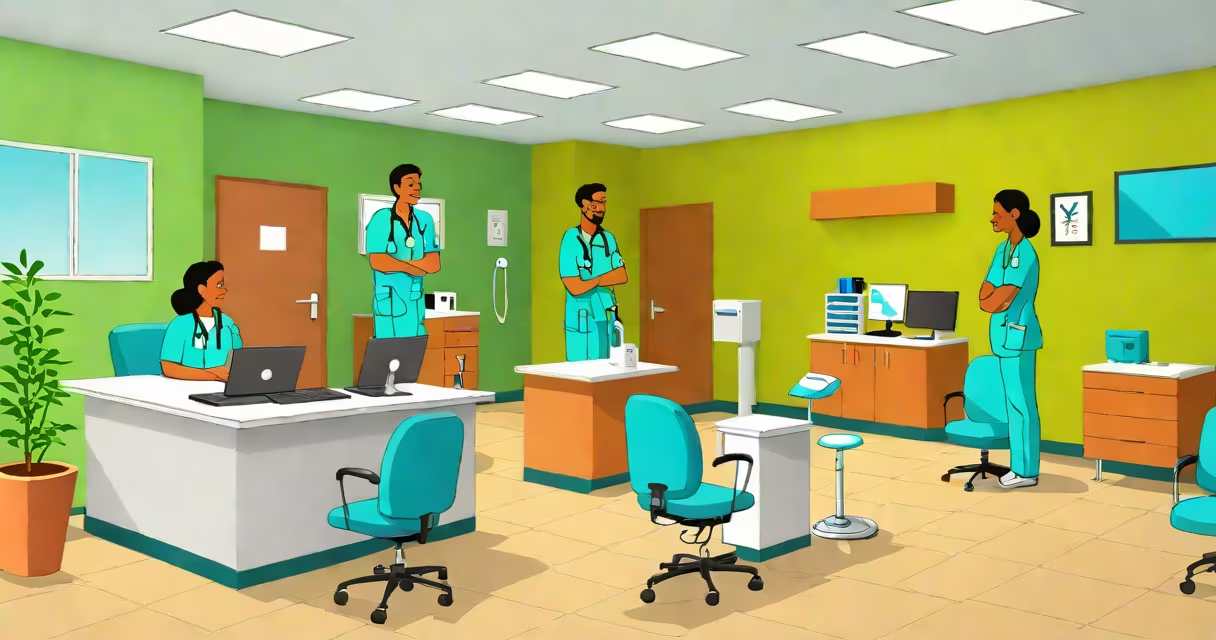
Providence Primary Care is a network of outpatient medical clinics that delivers ongoing, preventive, and chronic disease management services under the Providence Health System. These clinics serve patients across Oregon, Washington, and Idaho, focusing on continuity of care, preventive screenings, and coordinated treatment plans.
These clinics operate as the first point of contact for most patients seeking medical attention. They handle routine checkups, immunizations, blood pressure monitoring, diabetes management, mental health screening, and referrals to specialists when needed. Unlike urgent care or emergency departments, Providence Primary Care emphasizes long-term relationships between patients and providers.
The system uses electronic health records (EHRs) shared across affiliated facilities. This allows doctors to access lab results, medication histories, and prior visit notes instantly. For example, a patient in Portland with hypertension can have their blood pressure tracked over time, with adjustments made during follow-up visits based on real-time data.
When a patient schedules a visit, they're assigned to a care team that includes a primary care provider (PCP), nurse practitioners, medical assistants, and behavioral health staff. The PCP oversees all aspects of care, coordinating tests, referrals, and treatment plans. Most appointments last 20 to 30 minutes, allowing time for discussion, physical exams, and documentation.
Patients receive reminders for annual wellness exams, cancer screenings (like colonoscopies and mammograms), and vaccinations. For example, a 55-year-old woman in Spokane scheduled for a colorectal cancer screening through her Providence Primary Care clinic received automated alerts via email and text 60 days before her appointment. She completed the required prep kit at home and arrived with a negative result, avoiding unnecessary procedures.
After a visit, the care team updates the EHR with notes, test orders, and follow-up instructions. Patients can view summaries through the MyHealth portal, which integrates with the Providence Health Network's digital infrastructure. This ensures continuity even if a patient moves between cities within the network.
Providence Primary Care provides many services tailored to different life stages and health conditions. The following table outlines core offerings by category:
| Service Type | Examples | Frequency |
|---|---|---|
| Preventive Care | Annual physicals, flu shots, BMI assessments | Annually or as advised |
| Chronic Disease Management | Diabetes, heart failure, COPD monitoring | Regular follow-ups (every 3-6 months) |
| Mental Health Integration | Depression screening, anxiety counseling, stress management | As needed, often biweekly initially |
| Women's Health | Pap smears, birth control consultations, menopause support | Yearly or as requested |
| Behavioral Health Support | Substance use disorder screening, smoking cessation programs | Program-based (8-week sessions) |
One non-obvious feature is the embedded behavioral health coordinator in many clinics. These professionals work alongside physicians to assess emotional well-being during routine visits. A study published in JAMA Internal Medicine found that integrating behavioral health into primary care reduced hospitalization rates by 18% among patients with depression and cardiovascular disease.
Many patients assume Providence Primary Care is limited to in-person visits. While face-to-face appointments remain standard, telehealth options are available for follow-ups, medication refills, and minor illness evaluations. A 2023 report from the Centers for Medicare & Medicaid Services noted that 62% of Providence Primary Care patients used virtual visits during the pandemic, and adoption remains high post-pandemic.
Another misconception is that all providers are general internists. In reality, teams include family medicine physicians, geriatricians, pediatricians (for adolescent care), and nurse practitioners certified in primary care. A patient in Eugene with complex migraines was referred to a neurology specialist through their Providence Primary Care clinic, but the initial diagnosis and treatment plan were managed by a nurse practitioner with advanced training in headache disorders.
Some confuse Providence Primary Care with urgent care centers. The key difference lies in scope: urgent care treats acute injuries and illnesses (like sprains, fevers, or minor infections) on a walk-in basis. Providence Primary Care focuses on long-term health maintenance and coordination. A patient with a persistent cough lasting over two weeks would be evaluated for asthma or infection at a primary care clinic, not treated in urgent care.
Consider Maria, a 47-year-old teacher in Seattle who had never seen a doctor regularly. She began visiting a Providence Primary Care clinic after being diagnosed with prediabetes during a workplace wellness screening. Her care team included a PCP, a dietitian, and a behavioral health counselor.
Over six months, she attended monthly check-ins. Her HbA1c levels dropped from 6.1% to 5.7%. She lost 12 pounds through dietary changes and weekly walking groups facilitated by the clinic. Her provider adjusted her medication plan based on continuous monitoring. By year-end, her risk of developing type 2 diabetes decreased by 40%, according to the American Diabetes Association's risk assessment model.
This outcome reflects the core principle of Providence Primary Care: early intervention, consistent follow-up, and multidisciplinary support. The system doesn't wait for crises-it identifies risks before they escalate.
I visited a Providence Primary Care clinic in Tacoma during a research trip in 2022. The front desk staff verified my insurance and confirmed my appointment with Dr. Lin, a family medicine physician. Within five minutes, I was seated in an exam room with a tablet displaying my recent lab results from a blood draw taken two weeks prior.
Dr. Lin reviewed my cholesterol panel, discussed lifestyle changes, and ordered a follow-up lipid profile. She also noted my mild anxiety about upcoming surgery and connected me with a mental health specialist through the clinic's internal referral system. All documentation was uploaded to the EHR in real time. The entire visit lasted 28 minutes. I left with clear next steps and a secure link to schedule my next appointment.
Providence Primary Care is not a standalone brand. It operates under the larger Providence Health System, which owns hospitals, specialty centers, and rehabilitation facilities. This integration enables smooth referrals. For instance, a patient with uncontrolled hypertension may be referred from primary care to a cardiology clinic within the same network, with all records transferred automatically.
Contrast this with independent private practices that may lack such infrastructure. A 2021 analysis by the National Bureau of Economic Research showed that patients using integrated health systems like Providence had 23% lower emergency department utilization over three years compared to those in fragmented networks.
For patients managing multiple conditions, this coordination reduces duplication, avoids conflicting medications, and improves outcomes. The goal is not just treating symptoms but maintaining function and quality of life.
Understanding how Providence Primary Care functions reveals a system designed around prevention, continuity, and collaboration. It's not just about seeing a doctor when sick-it's about building a health plan that evolves with you.