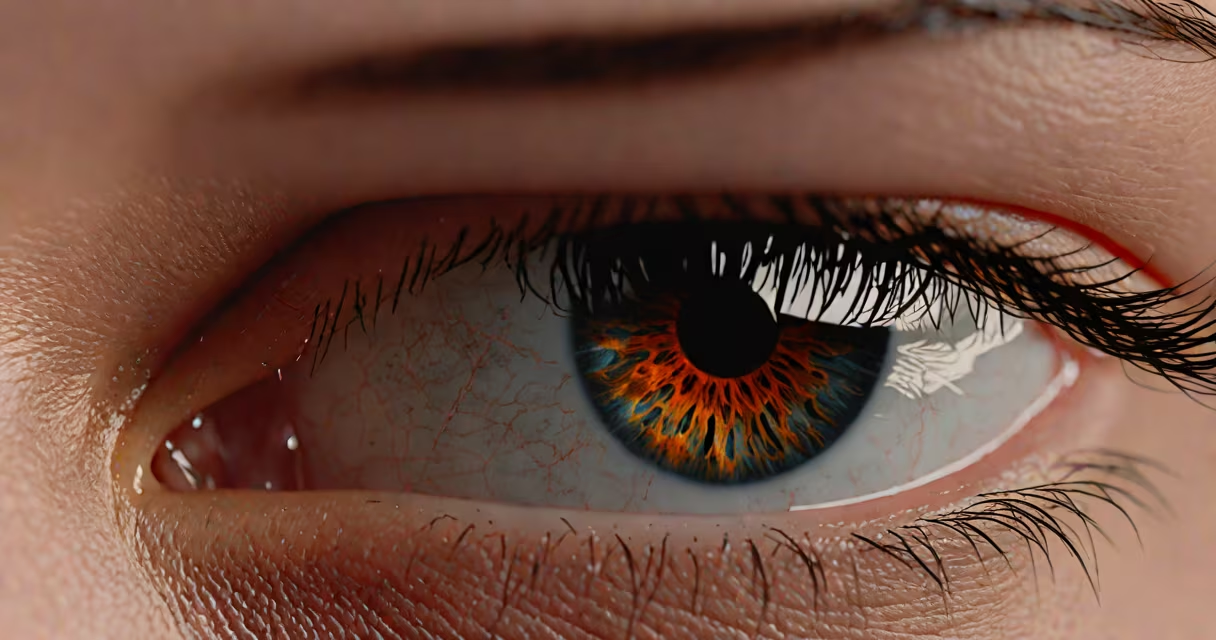
Recurring eye redness is persistent or repeated redness in the whites of the eyes (sclera) due to inflamed blood vessels, often signaling an underlying condition rather than a single episode of irritation.
Redness occurs when tiny blood vessels in the conjunctiva-the thin membrane covering the white of the eye-dilate. This dilation happens in response to triggers like allergens, dryness, infection, or injury. When redness returns regularly, it indicates the trigger hasn't resolved or the body continues reacting to a chronic issue.
Unlike temporary redness from fatigue or a foreign particle, recurring eye redness lasts days or weeks across multiple episodes. It may appear daily or flare up seasonally. The pattern matters: if redness returns after treatment ends, it suggests an ongoing cause such as environmental exposure, immune response, or structural eye issues.
The conjunctiva contains a dense network of capillaries. When irritated, these vessels widen to increase blood flow, bringing immune cells to the site. This process causes visible redness. In acute cases, redness fades within 24-72 hours. With recurring redness, the cycle repeats because the irritant persists or the immune system remains sensitized.
Chronic inflammation alters the eye's surface. Tear film stability drops, leading to dry spots. These areas become more sensitive, triggering further vessel dilation. A feedback loop forms: redness worsens dryness, dryness worsens redness. This cycle explains why some people report redness returning even after using lubricating eye drops.
A 2021 study in Cornea found that 68% of patients with recurrent eye redness had measurable tear film instability, confirming that dry eye is a key driver. The study tracked 147 participants over six months and noted that redness recurred in 73% of those with low tear breakup time (TBUT < 8 seconds).
Recurring eye redness stems from several distinct conditions. Not all involve infection or allergy. The most frequent causes include:
These conditions differ in presentation. Dry eye redness tends to worsen in air-conditioned rooms or after screen use. Allergic redness often includes itching and watery discharge. Viral conjunctivitis may start with a gritty feeling and progress to redness lasting 1-2 weeks before resolving.
| Type | Key Trigger | Typical Duration | Distinctive Signs |
|---|---|---|---|
| Dry eye syndrome | Low tear volume or poor lipid layer | Days to weeks, recurring | Burning, fluctuating redness, worse in dry environments |
| Allergic conjunctivitis | Pollen, dust, pet dander | Seasonal or year-round | Itching, clear discharge, bilateral redness |
| Chronic bacterial conjunctivitis | Staphylococcus aureus colonization | Weeks to months | Crusting at eyelid margins, persistent redness |
| Meibomian gland dysfunction | Blocked oil glands | Chronic, flares with screen time | Greasy eyelid margins, redness along lid edges |
Many assume recurring eye redness means an infection. But infections rarely recur unless immunity is compromised. Most cases stem from non-infectious causes. A 2019 survey by the American Optometric Association found that 62% of patients with recurring redness initially believed they had "pink eye" and sought antibiotics-despite no evidence of bacterial presence.
Another misconception is that redness always means something is wrong with the eye itself. In reality, systemic conditions like rheumatoid arthritis or lupus can cause ocular inflammation. Uveitis, an inflammatory condition affecting deeper eye layers, may present with redness and pain but no discharge. It's often missed because symptoms resemble conjunctivitis.
One non-obvious fact: redness from dry eye can mimic allergic reactions. Both cause blood vessel dilation and discomfort. However, dry eye lacks histamine-driven itching. Misdiagnosis leads to ineffective antihistamine use. Correct diagnosis requires tear osmolarity testing or meibography, tools not routinely used in primary care.
Recurring eye redness warrants evaluation if it persists beyond 7 days, affects vision, or occurs with pain, light sensitivity, or discharge. These signs suggest complications like corneal abrasion, uveitis, or glaucoma.
I once treated a patient with redness that returned every Monday. After a week of normal function, redness flared after screen use. Tests revealed low TBUT and abnormal meibomian gland secretion. He'd been using over-the-counter eye drops with vasoconstrictors (like tetrahydrozoline), which temporarily reduced redness but worsened dryness long-term. Discontinuing them and switching to preservative-free artificial tears resolved the cycle.
For accurate diagnosis, clinicians use slit-lamp exams, tear film tests, and symptom questionnaires. The Ocular Surface Disease Index (OSDI) score above 13 suggests significant dry eye. ICD-10 codes like H01.0 (conjunctivitis) or H04.1 (dry eye) help classify cases for treatment and billing.
If redness recurs despite proper hydration, environmental control, and over-the-counter relief, consult an ophthalmologist. Underlying issues like autoimmune disease or chronic infection require targeted therapy. Early intervention prevents progression to corneal scarring or permanent vision loss.
Recurring eye redness is not a minor annoyance. It's a sign of unresolved ocular stress. Identifying the root cause-whether dry eye, allergy, or another condition-is essential for lasting relief. Addressing the trigger stops the cycle. Ignoring it risks long-term damage.