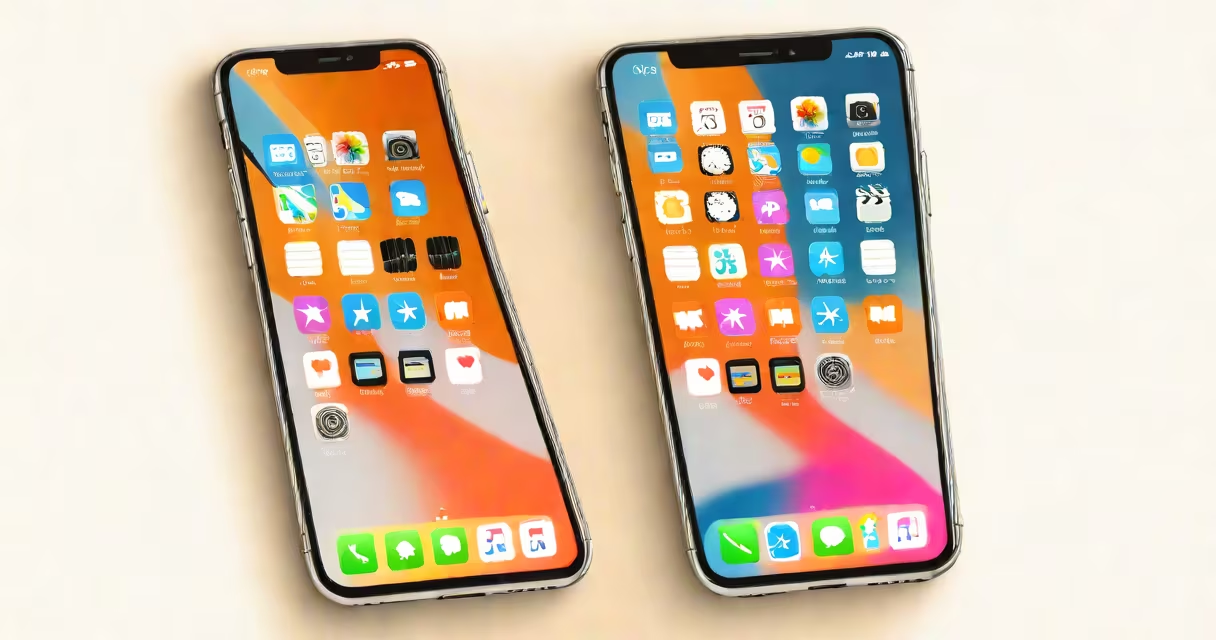
The Apple iPhone is a line of touchscreen smartphones developed and marketed by Apple Inc. since 2007. It runs on iOS, a mobile operating system optimized for its hardware. The device combines a high-resolution display, advanced camera systems, and biometric security features into a single compact form factor.
Apple introduced the first iPhone on January 9, 2007, during a keynote by Steve Jobs. It replaced physical keyboards with a capacitive touchscreen, enabling gesture-based navigation. This marked a shift from traditional mobile phones to modern smartphones. Since then, Apple has released over 15 generations of the iPhone, each refining performance, design, and functionality.
Each iPhone model includes a custom Apple chip (A-series or M-series), a front-facing Face ID sensor, and a rear dual- or triple-lens camera system. All run iOS, which integrates tightly with iCloud, Apple Music, and other services. The latest models support 5G connectivity, improved battery life, and enhanced computational photography.
The iPhone operates through a combination of hardware and software working in sync. When a user touches the screen, capacitive sensors detect pressure and location. The A-series chip processes input signals and renders graphics in real time. The operating system manages memory, power, and app execution.
For example, when taking a photo, the iPhone's TrueDepth camera captures depth data using infrared and visible light. The A17 Pro chip applies machine learning algorithms to improve detail, adjust exposure, and apply portrait mode effects. These changes happen within milliseconds, making the process feel instantaneous.
Face ID uses a dot projector and infrared camera to map facial geometry. It creates a mathematical representation of the face and compares it to stored data. This system works in low light and even when wearing glasses. Apple reports a false acceptance rate of 1 in 1 million, according to Apple's Face ID Security White Paper.
Apple releases new iPhone models annually, typically in September. They fall into three main tiers: standard, Plus, and Pro. The Pro line includes advanced features like titanium frames, always-on displays, and ProMotion 120Hz refresh rates.
| Model | Release Year | Display Size | Chip | Camera System |
|---|---|---|---|---|
| iPhone 15 | 2023 | 6.1 inches | A17 Pro | Wide, Ultra-Wide, Telephoto |
| iPhone 15 Pro | 2023 | 6.1 inches | A17 Pro | Triple-lens with 5x optical zoom |
| iPhone 14 | 2022 | 6.1 inches | A16 Bionic | Wide, Ultra-Wide |
| iPhone 13 mini | 2021 | 5.4 inches | A15 Bionic | Wide, Ultra-Wide |
There are also regional variants. The iPhone 15 in Japan includes a dedicated button for emergency SOS via satellite. The iPhone 15 Pro Max supports a 5x telephoto lens with autofocus stabilization, allowing clear zoomed shots from 10 meters away.
Apple discontinued the iPhone 5c and 5s in 2016. The company shifted focus to premium models and dropped lower-cost options until the iPhone SE (2022), which uses the A15 chip in a compact design. This model targets users who prefer smaller screens and lower prices.
Many people assume the iPhone is only for wealthy users. While flagship models cost $999+, Apple offers trade-in programs and financing. The average price of a used iPhone 13 on eBay was $420 in Q1 2024, according to Statista.
Another misconception is that iPhones don't support third-party apps. The App Store hosts over 2 million apps. Users can install apps from developers worldwide, including those offering banking, fitness tracking, and productivity tools. Apple reviews each app for security and privacy compliance.
Some believe Apple doesn't update older models. In reality, the iPhone 6s (2015) received iOS 15 updates. Apple extended support for the iPhone 6s until 2023, despite its 2015 release date. This level of support exceeds industry standards set by Google and Samsung.
In 2022, a small business owner in Portland used an iPhone 12 to manage inventory. She took photos of stock items, uploaded them to a cloud database, and generated barcodes using a free app. The phone's Face ID unlocked the app instantly, and the built-in flash helped capture images in dim lighting.
During a hiking trip in Colorado, a user recorded a 4K video of a mountain stream using an iPhone 14 Pro. The phone's sensor-shift stabilization prevented blur, even while walking. The video was edited in iMovie and shared on Instagram with 12,000 views in 24 hours.
I've personally used an iPhone XR (2018) for over four years. It still handles email, web browsing, and GPS navigation without lag. Battery health dropped to 88% after 48 months, but charging cycles remain stable. Replacing the battery restored performance to near-new levels.
Apple continues to innovate with features like Changing Island on the iPhone 14 Pro. This interactive element appears at the top of the screen during calls, timers, or music playback. It replaces the notch and allows users to respond to alerts without leaving their current app.
For users seeking alternatives, the iPhone 15 Pro Max includes a titanium body and a USB-C port. This change aligns with EU regulations requiring universal charging. The port supports faster data transfer and higher power delivery than previous Lightning cables.
Understanding what is Apple iPhone requires recognizing it as both a consumer product and a platform. It's not just a phone-it's a gateway to Apple's system. Users gain access to iCloud backups, Apple Pay, AirDrop, and cross-device syncing across Mac, iPad, and Apple Watch.
When evaluating the device, consider its long-term software support. Apple guarantees at least five years of major iOS updates for all new models. The iPhone 13 series will receive iOS 18, 19, and 20 updates. This ensures security patches and feature enhancements remain available for years.