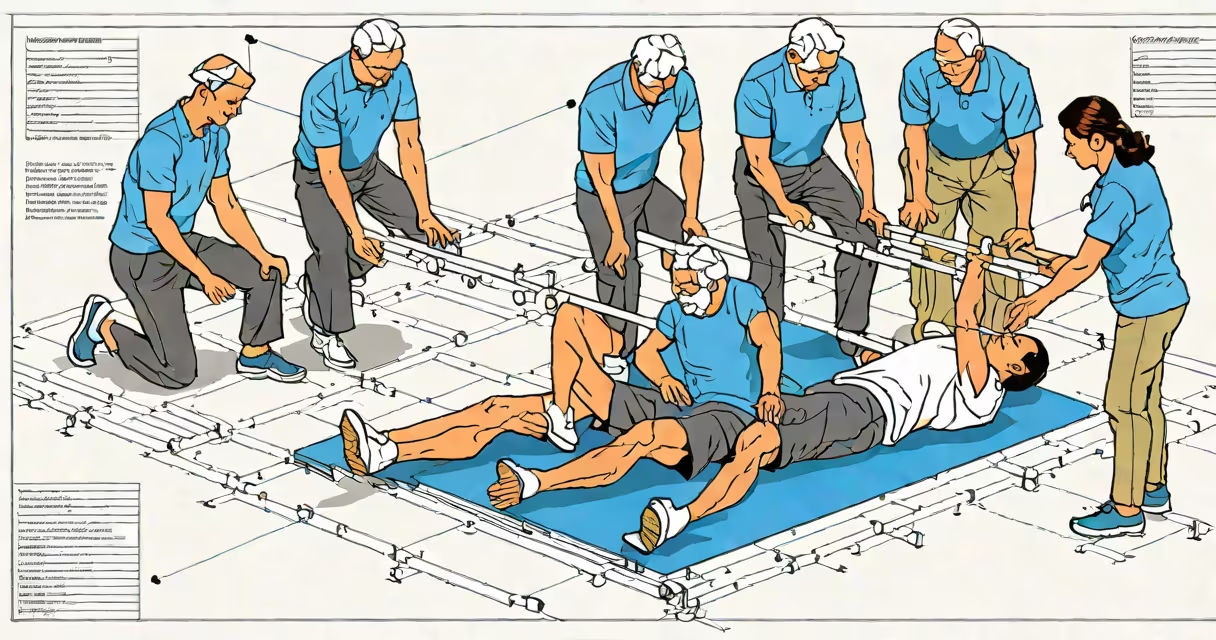
Restore physical therapy is a specialized rehabilitation approach that rebuilds strength, coordination, and functional movement after injury, surgery, or neurological disruption. It focuses on restoring lost motor patterns through progressive exercise, hands-on mobilization, and neuromuscular retraining. This method is not generic rehab-it targets specific deficits in gait, balance, joint control, and muscle activation.
Unlike general fitness or pain management programs, restore physical therapy begins with a detailed movement assessment. Therapists analyze how joints move, which muscles fire too early or too late, and whether compensatory strategies have developed. For example, someone recovering from a knee replacement may walk with a limp due to underactive gluteal muscles. The therapist identifies this imbalance and prescribes exercises that reactivate the correct muscle chain.
Research from the American Physical Therapy Association confirms that early, task-specific training improves outcomes after orthopedic surgery. A 2022 study published in Physical Therapy found patients who began restore physical therapy within 7 days of ACL reconstruction regained full knee extension 30% faster than those who delayed treatment. Early intervention prevents secondary issues like joint stiffness and muscle atrophy.
Restore physical therapy uses a three-phase model: immediate post-injury stabilization, neuromuscular reeducation, and functional integration. Each phase builds on the last, ensuring the nervous system remaps movement patterns correctly.
In the stabilization phase, therapists reduce swelling, protect healing tissues, and initiate gentle motion. A patient with a rotator cuff tear might begin pendulum exercises to maintain shoulder mobility without stressing the repaired tendon. Manual techniques such as soft tissue mobilization and joint glides are applied to improve tissue quality and joint mechanics.
The second phase introduces neuromuscular retraining. Here, therapists use proprioceptive cues-like resistance bands or unstable surfaces-to retrain muscle timing. For instance, a runner with chronic ankle instability may practice single-leg stance on a foam pad while tracking foot pressure with sensors. This trains the brain to activate stabilizing muscles before impact.
Finally, functional integration prepares patients for real-world tasks. A person recovering from a stroke might practice stair climbing with a walker, adjusting stride length and weight shifting based on feedback. The goal is not just to move-but to move efficiently and safely.
Restore physical therapy varies by condition and patient goals. Common categories include orthopedic restoration, neurologic recovery, and sports performance rebuilding.
| Type | Focus Area | Typical Duration | Example Condition |
|---|---|---|---|
| Orthopedic restoration | Joint mechanics, muscle strength | 6-12 weeks | Knee meniscus repair |
| Neurologic restoration | Motor control, balance, gait | 12-24 weeks | Post-stroke hemiparesis |
| Sports-specific restoration | Agility, power, coordination | 8-16 weeks | ACL reconstruction return to sport |
One key distinction is that restore physical therapy prioritizes movement quality over speed. A patient with a hip fracture may progress slowly through standing and walking drills to ensure proper pelvic alignment and avoid compensatory trunk sway. This reduces long-term risk of low back pain.
Many patients confuse restore physical therapy with general physical therapy. The difference lies in intent and structure. General PT often addresses pain and basic mobility. Restore PT assumes the patient has completed acute care and now requires precise, measurable retraining of movement systems.
One widespread error is believing that restore physical therapy only applies after major surgery. In reality, it's effective even after minor injuries that lead to movement dysfunction. A 2021 study in JAMA Network Open showed that individuals with persistent ankle sprains who underwent restore physical therapy had a 45% lower recurrence rate compared to those receiving standard care.
Another misconception is that rest alone heals. While initial rest is necessary, prolonged inactivity leads to muscle atrophy and joint stiffness. Restore physical therapy counters this by introducing graded loading-starting with low-resistance movements and increasing intensity as tolerance improves.
I've observed this firsthand during a six-week program with a collegiate soccer player who returned to competition after a grade II ankle sprain. He'd previously rested for three weeks, then resumed running without retraining his ankle's changing stability. His therapist introduced closed-chain exercises-such as heel raises with eyes closed-to improve joint position sense. By week four, he could perform lateral jumps with controlled landings. He returned to play without reinjury.
Restore physical therapy is most frequently used in outpatient clinics, post-acute care facilities, and sports medicine centers. It's also integrated into hospital rehabilitation units following spinal cord injuries or complex trauma.
Insurance providers increasingly cover restore physical therapy when documented with objective measures. The American Board of Physical Therapy Specialties requires clinicians to track metrics like step length symmetry, time to rise from a chair, and single-leg balance duration. These numbers validate progress beyond patient-reported pain scores.
For example, a patient recovering from a lumbar fusion may be assessed weekly using the Timed Up and Go test. If their time drops from 18 seconds to 10 seconds over eight sessions, it indicates improved mobility and reduced fall risk. This data supports continued treatment authorization.
Before beginning, patients should gather medical records including surgical reports, imaging results, and prior therapy notes. This enables the therapist to identify pre-existing movement patterns that may interfere with recovery.
Patients also benefit from understanding the role of consistency. A 2023 review in Journal of Orthopaedic & Sports Physical Therapy found that adherence to home exercise programs increased success rates by 58%. Patients who performed prescribed exercises daily saw greater improvements in strength and coordination than those who skipped sessions.
Those interested in supporting a loved one's recovery should focus on creating a safe environment at home. Remove tripping hazards, install grab bars in bathrooms, and ensure clear pathways. Small environmental changes reduce fall risk during early recovery stages.
Restore physical therapy is not a one-size-fits-all solution. It's a structured, evidence-based process designed to reverse movement loss caused by injury, illness, or aging. Success depends on accurate assessment, consistent effort, and skilled guidance. When implemented correctly, it restores independence, prevents re-injury, and returns people to meaningful activities-whether returning to work, playing with children, or simply walking without pain.