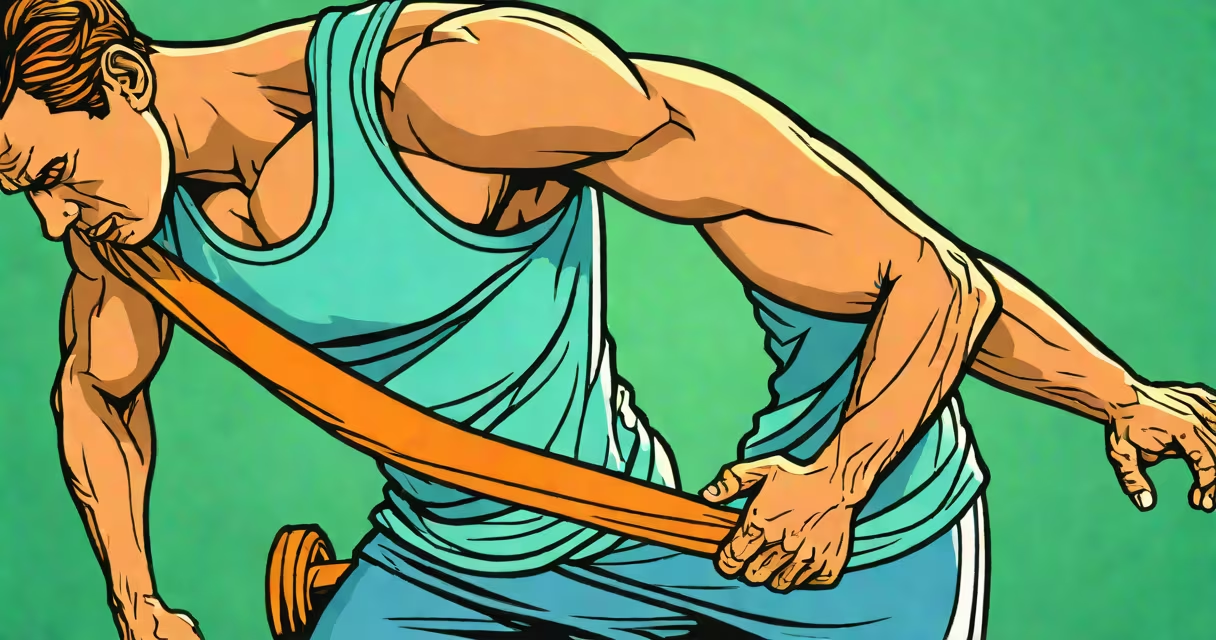
Sore from gym refers to delayed onset muscle soreness (DOMS), a common ache that develops 24 to 72 hours after intense or unfamiliar exercise, especially resistance training. It results from microscopic damage to muscle fibers during exertion, triggering inflammation and nerve sensitivity. This condition typically resolves within three to five days without medical intervention.
DOMS occurs when muscles undergo eccentric contractions-lengthening under load-such as lowering weights or running downhill. These movements cause tiny tears in muscle tissue, activating immune cells and pain receptors. The discomfort peaks around 48 hours post-exercise and fades gradually. Unlike acute injuries, soreness from gym sessions is not linked to joint trauma or sudden sharp pain.
A 2018 review in the Journal of Sports Science & Medicine confirmed that DOMS is most pronounced after unaccustomed activity, such as trying a new routine or increasing intensity. The study found that participants who performed novel exercises reported higher soreness scores compared to those doing familiar workouts. Soreness is not a sign of muscle growth, though it often coincides with adaptation. Muscle repair and remodeling occur during recovery, not during the soreness itself.
When you lift weights or sprint, your muscle fibers contract forcefully. During eccentric phases-like lowering a dumbbell-the fibers stretch while still under tension. This creates microtears in the sarcomeres, the basic units of muscle contraction. The body responds by sending immune cells to the area, releasing cytokines that increase blood flow and stimulate nerve endings. This process causes swelling and pressure on sensory nerves, resulting in the dull, aching sensation known as soreness.
Contrary to popular belief, lactic acid does not cause DOMS. Lactate clears from muscles within minutes after stopping exercise. Research published in Frontiers in Physiology (2020) confirms that lactate levels return to baseline within 30 minutes post-workout, while soreness persists for days. The real culprit is mechanical stress on muscle fibers, not metabolic waste.
One non-obvious fact: the same exercise that causes soreness the first time may not trigger it again. A 2016 study in European Journal of Applied Physiology showed that repeated exposure to the same workout reduces soreness by up to 60% over time. This is due to neuromuscular adaptation and improved motor unit recruitment. That's why experienced lifters rarely feel sore after their usual routines.
While DOMS is the primary cause of soreness from gym, other conditions can mimic it. True DOMS affects entire muscle groups uniformly, feels deep and achy, and improves with light movement. In contrast, injury-related pain is sharp, localized, and worsens with specific motions. It may persist beyond five days or limit range of motion.
| Type | Onset | Pain Quality | Duration | Common Causes |
|---|---|---|---|---|
| Delayed Onset Muscle Soreness (DOMS) | 24-72 hours | Dull, deep ache | 3-5 days | New exercises, increased volume, eccentric loading |
| Acute Injury Pain | During or immediately after | Sharp, stabbing, localized | Days to weeks | Torn ligament, strain, joint sprain |
| Overuse Tendonitis | Gradual, over weeks | Burning, throbbing near joints | Weeks to months | Repetitive motion, poor form |
For example, after a leg day involving heavy squats and lunges, you might feel stiffness in quads and hamstrings the next morning. This is typical DOMS. But if you feel a sudden pop in your knee during a squat, or pain that increases when bending the joint, that's likely an injury requiring evaluation.
Many people assume soreness equals progress. That's incorrect. While muscle adaptation follows microtrauma, soreness itself doesn't indicate gains. A 2021 study in Medicine & Science in Sports & Exercise found no correlation between perceived soreness and actual strength or hypertrophy improvements. Some athletes report high soreness but minimal muscle growth, while others show significant gains with little discomfort.
Another myth: "You must train through soreness." This leads to overtraining and increased injury risk. The American Council on Exercise (ACE) advises resting sore muscles for 48 hours before targeting them again. Training a muscle group while it's still inflamed disrupts recovery and can lead to chronic fatigue or joint stress.
I once trained my upper body intensely on Monday, then felt severe soreness in my lats and traps. On Tuesday, I tried to push through with high-rep pull-ups. By Wednesday, the pain had spread to my neck and shoulders. After consulting a physical therapist, I learned that continuing to stress inflamed tissue caused secondary muscle imbalances. I now follow a rule: if soreness prevents me from maintaining proper form, I skip the session and focus on mobility.
Light activity promotes blood flow and speeds recovery. Walking, swimming, or gentle yoga can reduce stiffness without adding strain. A 2019 study in Journal of Strength and Conditioning Research showed that low-intensity aerobic exercise reduced DOMS severity by 30% compared to complete rest.
Nutrition supports repair. Consuming 20-30 grams of protein within two hours post-workout enhances muscle synthesis. Omega-3 fatty acids from fish oil have anti-inflammatory effects. A 2020 trial found that subjects taking 2 grams of EPA/DHA daily reported less soreness after resistance training.
If soreness lasts longer than five days, worsens with movement, or limits function, consult a healthcare provider. Persistent pain may signal tendinopathy, stress fractures, or nerve entrapment. For example, persistent lower back soreness after deadlifts could indicate a disc issue, not just muscle strain.
Sore from gym is a normal response to physical challenge. It signals adaptation, not damage. Recognizing the difference between healthy soreness and injury helps maintain consistency and safety in training. Use soreness as feedback-not a barrier to progress.