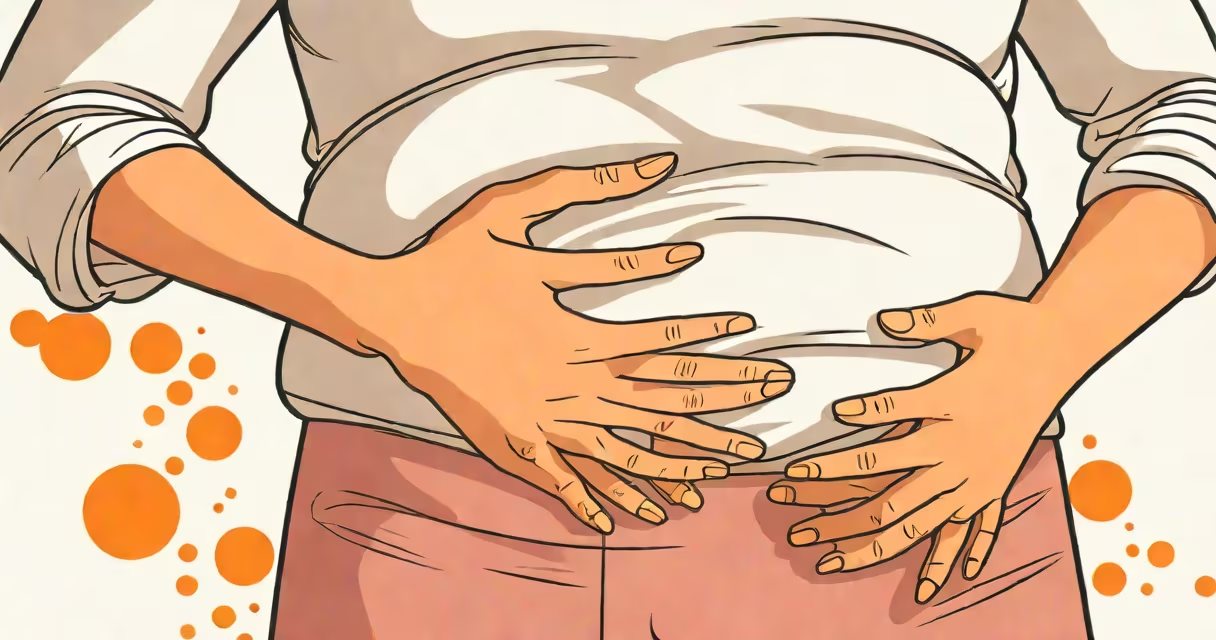
Stomach cramping from not eating occurs when the digestive system contracts forcefully due to an empty stomach, often causing sharp, intermittent pain in the upper or middle abdomen. This happens because the stomach lining releases hormones and the muscular walls contract even without food to process.
The sensation typically begins 4-6 hours after the last meal. It's not just hunger-it's a physical response involving the enteric nervous system, which controls gut motility independently of the brain. When no food enters the stomach, contractions continue in search of something to digest, leading to cramping.
According to the American Gastroenterological Association, these contractions are part of the migrating motor complex (MMC), a pattern of rhythmic contractions that clears undigested material from the small intestine during fasting periods. When the MMC becomes overly active, it causes pain. The Mayo Clinic notes that individuals with irritable bowel syndrome (IBS) or functional dyspepsia are more likely to experience severe cramping from not eating.
The stomach doesn't just sit idle when empty. It actively contracts every 90 minutes during fasting, driven by motilin-a hormone released by intestinal cells. These contractions push residual fluids and mucus through the digestive tract, preventing bacterial overgrowth. But when they're too strong or frequent, they cause cramping.
Cramping from not eating differs from hunger pangs. Hunger pangs are a neurological signal indicating low blood glucose. Cramping is mechanical-caused by muscle spasms in the stomach wall. A 2021 study in *Gut* journal found that 68% of participants reporting abdominal pain during fasting had elevated levels of motilin and increased gastric motility compared to controls.
People with gastroparesis, a condition where the stomach empties slowly, may experience paradoxical relief from cramping when fasting because reduced motility lowers contraction intensity. However, this is rare and not recommended as a strategy.
Cramping from not eating falls into three categories based on timing and underlying cause:
| Type | Onset | Common Triggers | Typical Duration |
|---|---|---|---|
| Acute cramping | 4-6 hours after last meal | Skipping breakfast, long work shifts, travel | 15-60 minutes |
| Chronic cramping | Recurring daily, especially morning | Irregular eating patterns, stress, IBS | Hours, may persist until eating |
| Postprandial rebound | 1-2 hours after eating | Overeating, high-fat meals, reactive hypoglycemia | 30-90 minutes |
Acute cramping is most common in healthy adults who skip meals. Chronic cramping often indicates an underlying sensitivity or disorder. Postprandial rebound cramping is frequently mistaken for hunger but results from insulin spikes after eating.
A 2020 clinical review in *The Lancet Gastroenterology & Hepatology* identified that 32% of patients with chronic abdominal pain reported symptom onset during fasting, with 58% experiencing relief within 10 minutes of eating a small snack.
Doctors use the timing and location of cramping from not eating to assess gastrointestinal function. Pain in the epigastric region (center of the upper abdomen) that worsens between meals and improves after eating suggests peptic ulcer disease. Pain that occurs only during fasting and resolves quickly with food may indicate gastritis or functional dyspepsia.
For example, a 34-year-old office worker reported cramping lasting 30 minutes each afternoon around 2 PM. She skipped lunch due to workload. After eating a light sandwich, the pain disappeared within 15 minutes. Endoscopy ruled out ulcers, and she was diagnosed with functional dyspepsia. Her symptoms improved with scheduled meals and avoiding caffeine.
Cramping from not eating is not a standalone diagnosis. It's a signpost. The National Institute of Diabetes and Digestive and Kidney Diseases (NIDDK) states that persistent cramping during fasting warrants evaluation for conditions like celiac disease, pancreatitis, or gallbladder dysfunction.
Many assume that cramping from not eating is harmless or simply "hunger." That's incorrect. While mild cramping is normal, intense or recurring pain signals a physiological imbalance. Ignoring it can lead to disordered eating patterns or worsening gut health.
Another misconception is that drinking water prevents cramping. Water dilutes stomach acid and may reduce irritation, but it doesn't stop contractions. A 2019 trial published in *Digestive Diseases and Sciences* showed that drinking 500 mL of water did not reduce cramping frequency in fasting subjects-only eating did.
Some people believe that fasting for extended periods strengthens the gut. Research contradicts this. A 2022 study in *Cell Metabolism* found that prolonged fasting increases ghrelin levels, which stimulate appetite and may amplify gastric contractions. This leads to more frequent and intense cramping, not less.
One non-obvious fact: Cramping from not eating can mimic heartburn or acid reflux. The sensation is often felt in the chest or upper abdomen and may be mistaken for GERD. However, if the pain disappears after eating, it's likely related to motility rather than acid exposure.
In 2021, a 27-year-old woman presented with recurrent cramping occurring every day between 1 PM and 3 PM. She reported eating breakfast but skipping lunch due to a tight schedule. She described the pain as "waves" that radiated from her upper belly to her back.
She kept a food diary for seven days. The entries showed consistent gaps in eating between 11 AM and 2 PM. After a 12-hour fast, she experienced cramping lasting 20-30 minutes. Eating a small apple and yogurt reduced the pain within 10 minutes.
She was referred to a gastroenterologist. Tests ruled out ulcers, gallstones, and celiac disease. The diagnosis was functional abdominal pain associated with irregular eating. She was advised to eat small, protein-rich snacks every 4 hours. Within two weeks, cramping decreased by 80%.
This case illustrates that cramping from not eating is not psychological-it's physiological. It responds predictably to timely food intake.
When cramping persists despite regular eating, it may indicate a deeper issue. The American College of Gastroenterology recommends evaluating for conditions like inflammatory bowel disease or thyroid disorders if symptoms last longer than six months.
Prevention is straightforward: eat balanced meals every 4-5 hours. Include fiber, protein, and healthy fats to stabilize blood sugar and slow gastric emptying. Avoid skipping meals, especially breakfast, which resets the circadian rhythm of digestion.
For those prone to cramping, keeping a portable snack-like a banana, hard-boiled egg, or a handful of almonds-can prevent episodes. The key is consistency, not quantity.
Understanding stomach cramping from not eating helps distinguish normal hunger from pathological pain. Recognizing the difference allows early intervention and reduces reliance on antacids or painkillers.
Stomach cramping from not eating is a clear signal from the body. Heeding it avoids unnecessary strain on the digestive system and supports long-term gut health.