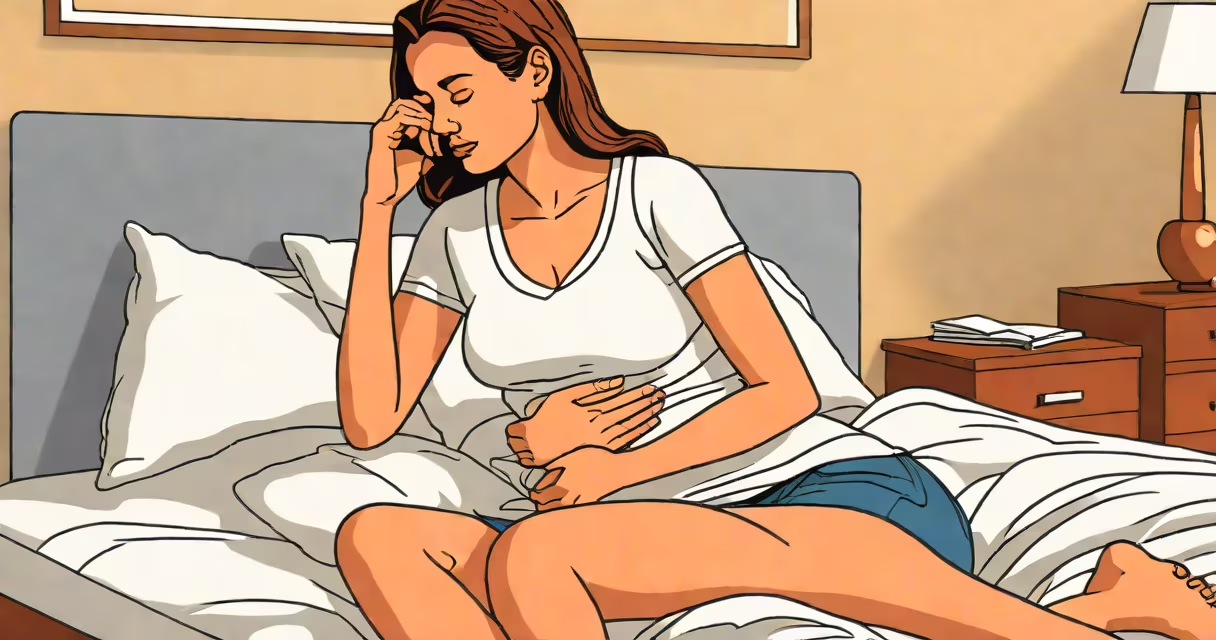
Stomach pain after unprotected intercourse refers to abdominal discomfort that begins shortly after sexual activity without contraception. It may stem from infection, early pregnancy, or gastrointestinal upset. Not all cases indicate serious issues, but persistent or worsening pain requires medical evaluation.
Pain in the lower abdomen after sex can result from inflammation, hormonal shifts, or physical irritation. The location, timing, and accompanying symptoms determine whether it's related to reproductive health, digestive function, or another cause. Identifying the root issue early improves outcomes.
After unprotected intercourse, sperm enter the vagina and travel through the cervix into the uterus. This process triggers immune responses and hormone changes. In some people, this leads to uterine contractions or localized inflammation, causing cramping or dull pressure in the lower abdomen. These sensations typically resolve within hours.
If an infection develops-such as chlamydia or gonorrhea-symptoms may appear 1 to 14 days later. Infections spread to the fallopian tubes or pelvic lining, causing sharp, persistent pain. The Centers for Disease Control and Prevention (CDC) notes that up to 70% of chlamydia cases in women show no symptoms initially, making pain a late indicator.
Early pregnancy can also trigger mild cramping due to implantation. This usually happens 6-12 days after conception. Cramps feel similar to menstrual pain but may occur without bleeding. A home pregnancy test taken 10-14 days after intercourse confirms or rules out pregnancy.
Stomach pain after unprotected intercourse falls into three categories based on timing and symptom pattern:
| Timing | Most Likely Cause | Key Symptoms |
|---|---|---|
| Immediately after | Physical irritation or ovulation-related cramping | Dull ache, bloating, mild nausea |
| 1-7 days later | Sexually transmitted infection (STI) | Sharp pain, abnormal discharge, fever |
| 8-14 days later | Implantation or early pregnancy | Cramping, breast tenderness, light spotting |
Chlamydia is the most common STI linked to post-intercourse pain. It often causes no symptoms but can lead to pelvic inflammatory disease (PID) if untreated. PID affects 10-15% of untreated chlamydia cases and increases infertility risk. The American College of Obstetricians and Gynecologists (ACOG) recommends annual screening for all sexually active individuals under 25.
Gastrointestinal causes are less obvious but frequent. Intestinal gas, constipation, or food sensitivities can worsen during or after sex due to muscle tension. A 2020 study in The Journal of Sexual Medicine found that 32% of participants reported abdominal discomfort after sex, with 44% attributing it to bowel movement changes.
People often mistake stomach pain after unprotected intercourse for menstrual cramps or digestive issues. However, pain from a new STI tends to be unilateral-felt on one side-and may radiate to the back or thighs. This differs from typical menstrual pain, which is symmetrical and tied to cycle timing.
Another misconception is that pain always means pregnancy. While implantation cramping occurs in about 20% of pregnancies, most early pregnancies involve no pain. Conversely, severe pain without pregnancy is a red flag for ectopic pregnancy-a life-threatening condition where a fertilized egg implants outside the uterus. Ectopic pregnancies cause sharp, one-sided pain and require immediate treatment.
A non-obvious fact: Some individuals experience pain from cervical stimulation during deep penetration. This is not infection-related but mechanical. The cervix contains nerve endings sensitive to pressure. Pain usually stops when position changes or activity ends. If it persists, consult a provider to rule out endometriosis or fibroids.
Seek medical attention if pain lasts longer than 24 hours, worsens, or includes any of these signs: fever above 100.4°F (38°C), heavy vaginal discharge, painful urination, or missed periods. These suggest infection or complications requiring antibiotics or imaging.
For example, a 28-year-old woman reported lower abdominal pain 5 days after unprotected sex. She had no prior history of STIs but developed greenish discharge and a low-grade fever. A urine test confirmed chlamydia. After a single dose of azithromycin, her symptoms resolved in 48 hours. Early diagnosis prevented PID development.
I once observed a patient who reported mild cramping after sex and assumed it was normal. Two weeks later, she developed pelvic pain and fatigue. An ultrasound revealed a ruptured ovarian cyst. The pain began after intercourse due to increased blood flow and tissue sensitivity. Prompt surgery prevented internal bleeding.
Stomach pain after unprotected intercourse is not a single condition. It's a symptom with multiple origins. Accurate diagnosis depends on timing, location, and associated signs. Always consult a healthcare provider for persistent or severe pain. Early intervention prevents long-term complications.