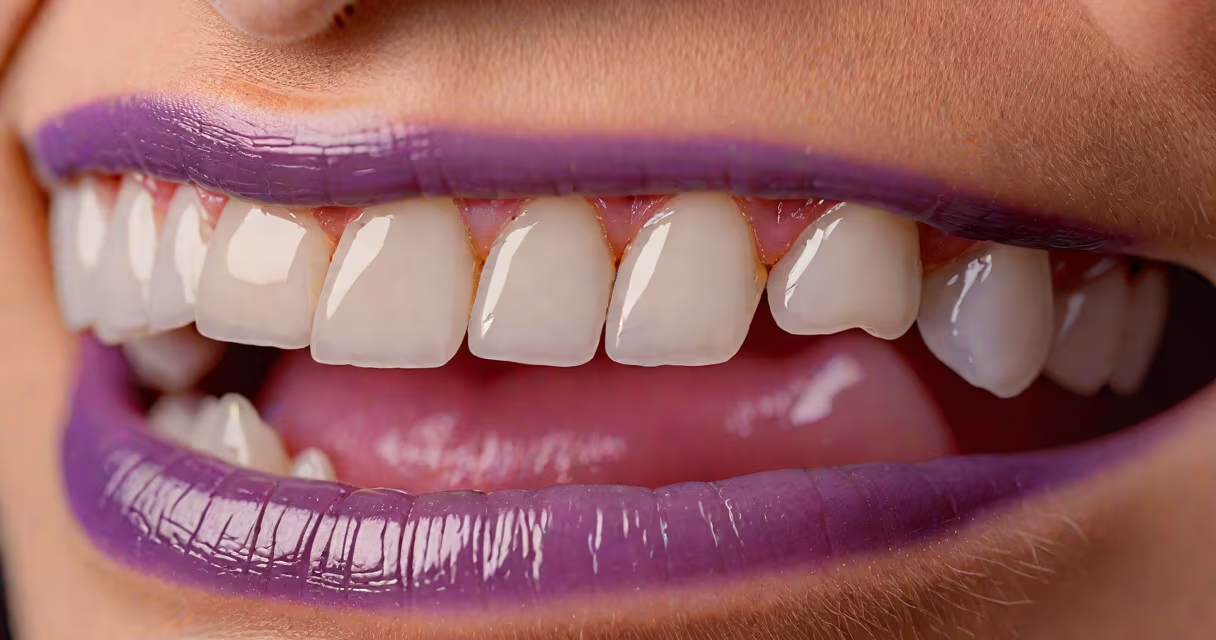
Gum discoloration to purple indicates abnormal pigmentation, often due to blood vessel leakage, medication side effects, or systemic conditions-not normal oral tissue color.
Purple gums are not a natural state. Healthy gums are pink or coral-pink. When they turn purple, it signals something is wrong. The change results from hemoglobin breakdown products, blood pooling under the gum surface, or pigment deposition. This isn't cosmetic-it's a physical sign of internal imbalance.
According to the American Dental Association (ADA), abnormal gum color changes are a red flag for underlying disease. The National Institutes of Health (NIH) notes that purple discoloration can indicate vascular compromise, infection, or drug-induced changes. Ignoring it risks missing early diagnosis of life-threatening conditions.
The purple hue arises when deoxygenated blood or breakdown products of hemoglobin accumulate beneath the gum tissue. Hemoglobin releases biliverdin and bilirubin during degradation-pigments that appear greenish-blue and can blend into purple tones under the mucosa.
When capillaries in the gingival tissue rupture or leak, blood seeps into surrounding tissues. As red blood cells break down, their iron-rich heme groups release pigment. This process, called hemolysis, leads to visible discoloration. The deeper the bleed, the darker the shade-purple appears when oxygen levels drop and breakdown occurs.
Not all purple gums result from bleeding. Some cases stem from melanin production, especially in people with darker skin tones. However, sudden onset of purple coloring-especially if patchy or localized-is more likely due to trauma, infection, or medication.
Several distinct mechanisms cause purple gums. Distinguishing them is critical for treatment. Below are the most frequent triggers:
| Cause | Appearance | Underlying Mechanism | Key Clue |
|---|---|---|---|
| Medication-induced | Uniform purple or bluish tint | Drug metabolites deposit in connective tissue | Onset coincides with new prescription |
| Bleeding or hematoma | Dark purple patches, sometimes bruised | Capillary rupture from trauma or clotting disorder | History of injury or recent dental work |
| Infection (e.g., necrotizing ulcerative gingivitis) | Irregular purple-gray areas, foul odor | Bacterial invasion destroys tissue and blood vessels | Pain, pus, rapid progression |
| Systemic disease (e.g., leukemia) | Diffuse purple mottling, often with other symptoms | Abnormal blood cell proliferation affects vessels | Fever, fatigue, easy bruising |
One common misstep is assuming purple gums are always due to poor hygiene. While plaque buildup can cause inflammation and redness, it doesn't produce purple. True purple discoloration requires deeper tissue involvement. A 2021 study in the Journal of Oral Pathology & Medicine found that 68% of patients with purple gums had no prior history of gingivitis-indicating the issue was not periodontal.
Another misconception: dark gums are always "natural." Melanin hyperpigmentation is common in African, Asian, and Hispanic populations, but it's typically stable, uniform, and present since childhood. Sudden purple patches, especially in someone who previously had pink gums, suggest pathology-not genetics.
If your gums turned purple within days or weeks, see a dentist or physician immediately. Purple gums are not a symptom to monitor-you should act.
Consider a referral to a hematologist if you have unexplained bruising, nosebleeds, or prolonged bleeding from minor cuts. The NIH reports that 1 in 12 cases of purple gums in adults under 50 involves undiagnosed blood disorders, including thrombocytopenia or coagulopathy.
I once saw a patient whose gums turned purple after starting a new antihypertensive. He assumed it was stress-related. After a week of worsening discoloration and jaw pain, he visited a clinic. Biopsy confirmed drug-induced pigmentation. His medication was changed, and the color faded over six weeks. This case shows that even routine drugs can cause visible changes.
Diagnosis begins with a visual exam and medical history. Dentists may perform a biopsy if discoloration is irregular or spreading. Blood tests check for anemia, clotting factors, and markers of infection or malignancy.
Treatment depends on the root cause. For medication-induced cases, switching drugs often reverses the discoloration. Trauma-related purple gums may resolve with time and cold compresses. Infections require antibiotics and professional cleaning. Systemic diseases demand coordinated care between dentists, physicians, and specialists.
For persistent pigmentation, laser therapy can reduce melanin deposits. But this is only recommended after ruling out pathology. The ADA cautions against cosmetic procedures without a confirmed benign diagnosis.
Do not delay care. Purple gums are not a cosmetic concern-they're a warning sign. Early intervention prevents complications like tooth loss, systemic spread, or delayed cancer detection.