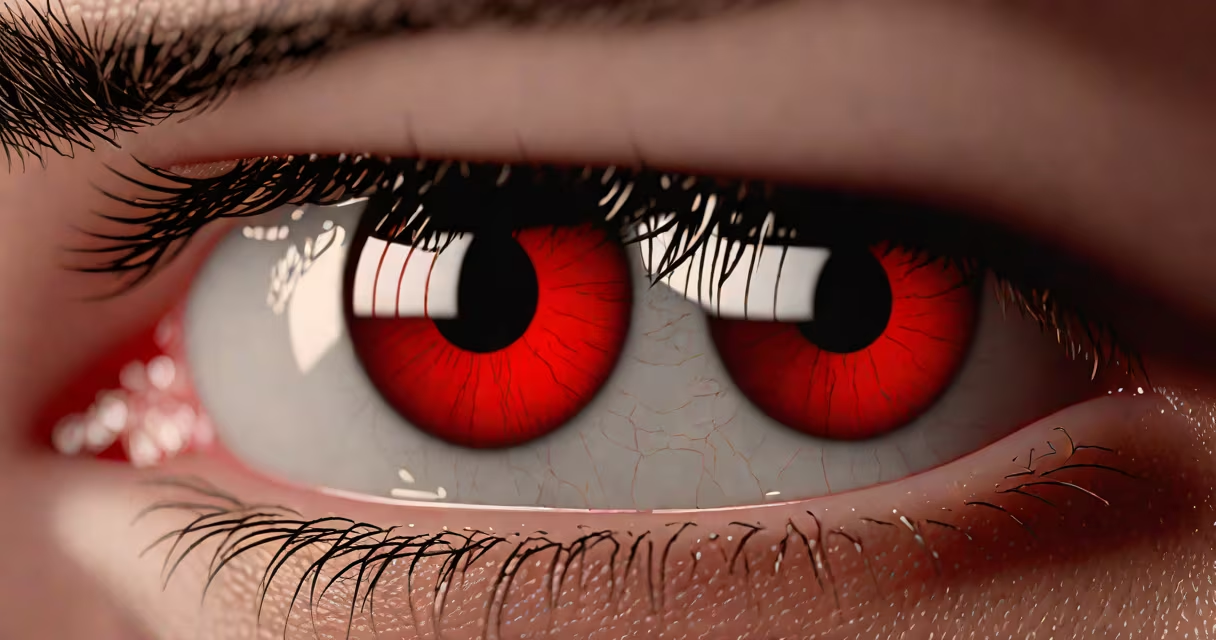
Waking up with bloodshot eyes means the small blood vessels in the whites of your eyes have dilated and become visible, often due to dryness, lack of sleep, or prolonged screen use during the night. This condition is common and usually temporary, though it can signal underlying issues if frequent.
Bloodshot eyes occur when tiny capillaries in the conjunctiva-the thin membrane covering the eyeball-expand. This dilation increases blood flow near the surface, making the eyes appear red or pink. The condition is not a disease but a symptom of stress on the eye's surface.
According to the American Academy of Ophthalmology, dryness is the most frequent cause of morning bloodshot eyes. When you sleep, tear production drops. Without sufficient moisture, the eye surface becomes irritated and inflamed. The National Eye Institute confirms that people who sleep less than six hours per night report higher rates of eye redness upon waking.
Your eyes produce tears continuously to maintain a stable film over the cornea. During sleep, tear secretion slows, especially in REM cycles. If you spend time staring at screens before bed, your blink rate drops by up to 60%, reducing natural lubrication. This leads to dry spots on the eye surface, triggering inflammation and vessel dilation.
Environmental factors compound the issue. Air conditioning, heating, or low-humidity rooms dry out the ocular surface faster. A 2021 study in Cornea found that indoor humidity below 30% increased the risk of morning eye redness by 42% compared to environments above 50%.
Another contributor is eye rubbing. People often rub their eyes unconsciously during sleep, especially if they're fatigued. This mechanical pressure can rupture delicate capillaries in the conjunctiva, causing localized redness. The American Optometric Association notes that 38% of patients reporting bloodshot eyes admit to habitual eye rubbing.
Not all bloodshot eyes are the same. They differ based on timing, duration, and accompanying symptoms. Here's how to distinguish them:
| Type | Timing | Common Causes | Typical Duration |
|---|---|---|---|
| Dryness-related | Morning only | Low humidity, screen use before bed, contact lens wear | Minutes to hours after blinking or using eye drops |
| Fatigue-induced | Morning, may persist | Less than 6 hours of sleep, poor sleep quality | Hours, improves with rest |
| Allergy-linked | td>Morning or all dayPollen, dust mites, pet dander in bedding | Days if allergen exposure continues | |
| Infection-related | Anytime, worsens in morning | Bacterial or viral conjunctivitis | Several days, may include discharge |
One non-obvious factor: sleeping position. Lying flat increases intraocular pressure slightly, which can reduce tear drainage. A 2019 study in Ophthalmic & Physiological Optics showed that people who sleep supine (on their back) report 27% more morning eye redness than those who sleep with their head elevated.
People often assume bloodshot eyes mean infection or injury. But unless there's pain, pus, or vision changes, infection is unlikely. The American Academy of Ophthalmology states that 85% of cases involving only redness without discharge are due to dryness or fatigue.
Another misconception: that bloodshot eyes indicate high blood pressure. While severe hypertension can affect retinal vessels, it doesn't cause isolated morning redness. Blood pressure spikes don't manifest as visible eye redness without other systemic signs.
Some think wearing contacts overnight causes bloodshot eyes. While extended wear increases risk, even daily disposable lenses worn normally can lead to dryness if the wearer has pre-existing dry eye syndrome. The FDA reports that 1 in 5 contact lens users experiences morning eye redness, often misattributed to the lenses themselves rather than reduced tear production during sleep.
A 34-year-old software developer reported waking up with bloodshot eyes three times a week. He used his laptop until midnight, then slept in a room with central AC running. His sleep lasted seven hours, but he woke with dry, burning eyes. After switching to blue-light filtering glasses and using a humidifier, his symptoms resolved within five days.
He also stopped wearing his daily contact lenses overnight. His ophthalmologist confirmed mild dry eye syndrome, likely exacerbated by screen use and low humidity. Using preservative-free artificial tears upon waking reduced redness completely.
If bloodshot eyes last longer than 48 hours, worsen with light sensitivity, or come with pain, see an eye doctor. These signs may indicate uveitis, glaucoma, or corneal abrasion-conditions requiring prompt treatment.
For persistent morning redness without clear triggers, consider testing for dry eye disease. The Schirmer test measures tear production. A score below 10 mm in 5 minutes indicates moderate to severe dryness. The American Academy of Ophthalmology recommends screening for dry eye in adults over 40, especially those with screen-heavy lifestyles.
Simple changes often fix the problem. Use a humidifier in your bedroom. Avoid screens one hour before bed. Blink consciously during screen time. Use preservative-free eye drops before sleep if dryness persists.
Waking up with bloodshot eyes is rarely serious. Most cases stem from dryness, fatigue, or environmental stress. Addressing root causes through hydration, sleep hygiene, and proper eye care resolves the issue in most people.