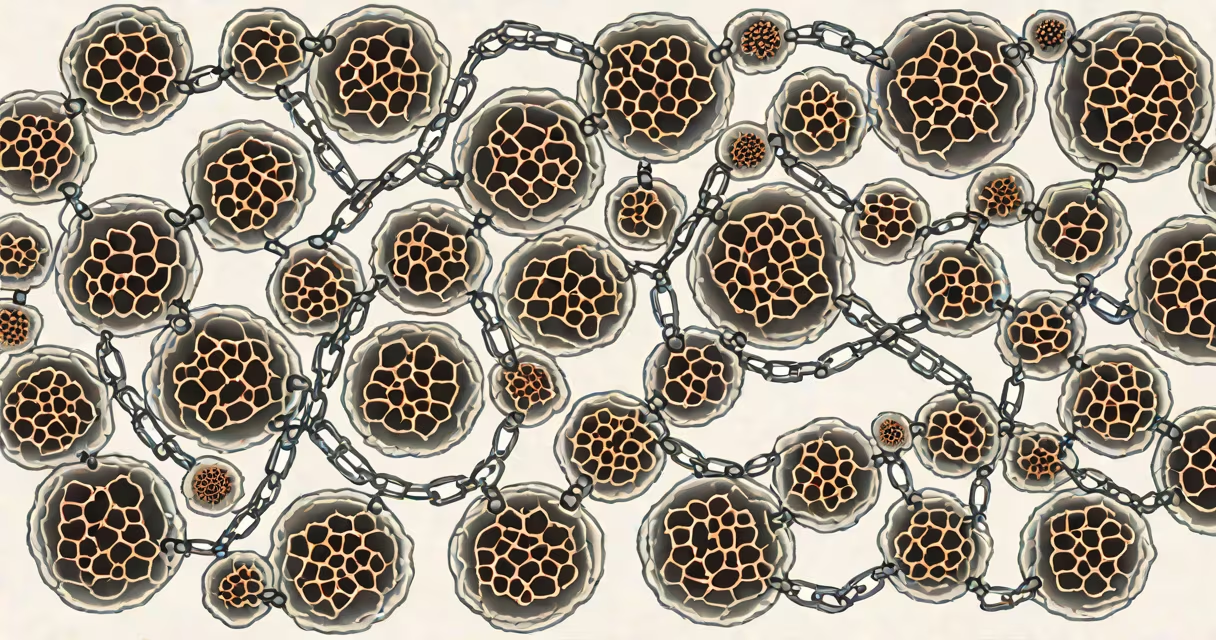
Streptococcus pyogenes Group A beta hemolytic is a Gram-positive bacterium responsible for strep throat, scarlet fever, and invasive infections like necrotizing fasciitis. It forms chains under the microscope and produces complete hemolysis-clear zones-around colonies on blood agar.
This organism belongs to Lancefield group A, defined by the presence of a specific carbohydrate antigen in its cell wall. Its ability to cause disease stems from multiple virulence factors, including streptolysin O, which destroys red blood cells and immune cells, and M protein, which helps evade phagocytosis. The combination of antigenic specificity and hemolytic pattern makes it identifiable in clinical labs.
Group A beta hemolytic streptococci are transmitted through respiratory droplets. Infections typically begin with sudden sore throat, fever above 38°C (100.4°F), swollen tonsils with exudate, and tender cervical lymphadenopathy. Without treatment, complications such as acute rheumatic fever or post-streptococcal glomerulonephritis may develop.
Streptococcus pyogenes Group A beta hemolytic evades host defenses using M protein, a surface protein that inhibits opsonization-the process by which antibodies mark bacteria for destruction. Over 200 M protein serotypes exist, contributing to recurrent infections because immunity is serotype-specific.
The bacterium also secretes streptokinase, which dissolves fibrin clots, allowing spread through tissues. It produces superantigens like pyrogenic exotoxins A, B, and C, which trigger massive cytokine release. This leads to the rash seen in scarlet fever-a fine, sandpaper-like texture that spreads from the neck down.
A 2021 study published in Clinical Microbiology Reviews confirmed that 80% of invasive Group A Streptococcus isolates carry genes encoding superantigens, linking them directly to severe outcomes like toxic shock syndrome.
Group A beta hemolytic streptococci are classified based on antigenic structure and hemolytic patterns. The primary classification system uses Lancefield grouping, which identifies serotypes based on cell wall carbohydrates.
| Lancefield Group | Antigen Type | Common Pathogens | Associated Diseases |
|---|---|---|---|
| A | Carbohydrate antigen M | Streptococcus pyogenes | Strep throat, scarlet fever, impetigo, necrotizing fasciitis |
| B | Carbohydrate antigen B | Streptococcus agalactiae | Neonatal sepsis, urinary tract infections |
| C | Carbohydrate antigen C | Streptococcus dysgalactiae | Cellulitis, post-streptococcal glomerulonephritis |
Not all beta-hemolytic streptococci belong to group A. Beta hemolysis refers to complete lysis of red blood cells, producing a clear zone around colonies. However, only group A strains contain the M protein and specific toxins linked to serious sequelae.
Non-group A beta-hemolytic streptococci, such as Streptococcus anginosus, are less likely to cause invasive disease. Misidentifying them as group A can lead to unnecessary antibiotic use. Accurate identification requires latex agglutination testing for the group-specific carbohydrate antigen.
Streptococcus pyogenes Group A beta hemolytic is diagnosed in outpatient clinics, emergency departments, and hospital microbiology labs. Rapid antigen detection tests (RADTs) provide results in 10 minutes and have 90-95% sensitivity compared to culture.
For example, a 12-year-old presents with a 2-day history of sore throat, fever (39°C), and swollen, tender lymph nodes. A rapid test detects group A streptococcal antigen with 94% accuracy. A positive result triggers a 10-day course of penicillin V, reducing transmission risk and preventing complications.
According to the Centers for Disease Control and Prevention (CDC), treating symptomatic cases reduces the incidence of acute rheumatic fever by 90%. The American Academy of Pediatrics recommends testing only in patients with symptoms consistent with strep throat-no cough, no runny nose-to avoid overtreatment.
Many people assume all "strep" infections are caused by Streptococcus pyogenes Group A beta hemolytic. But other species, such as Streptococcus pneumoniae or Streptococcus bovis, cause different diseases. Pneumococcus causes pneumonia and meningitis; bovis is associated with endocarditis in alcohol users.
Another misconception is that beta hemolysis equals group A. This is false. Streptococcus pyogenes is both beta-hemolytic and group A-but not all beta-hemolytic streptococci are group A. For example, Streptococcus intermedius shows beta hemolysis but is part of group G and rarely causes systemic illness.
Some clinicians treat negative rapid tests with antibiotics if symptoms persist. This practice increases resistance risk. The CDC advises against antibiotic use unless the rapid test or throat culture confirms group A beta hemolytic streptococcus.
I once observed a child with persistent fever and a rash initially misdiagnosed as viral. A throat swab revealed Group A beta hemolytic streptococcus. After penicillin, the rash resolved within 48 hours. This case reinforced that accurate diagnosis prevents unnecessary delays in treatment.
Streptococcus pyogenes Group A beta hemolytic remains a key pathogen in infectious disease. Its unique combination of antigenic group, hemolytic pattern, and toxin profile defines its clinical impact. Understanding this distinction ensures proper diagnosis and treatment.
When a patient presents with sudden onset sore throat, fever, and absence of cough, consider testing for Streptococcus pyogenes Group A beta hemolytic. Confirm with rapid antigen test or culture. Treat with penicillin or amoxicillin. Avoid antibiotics if negative.