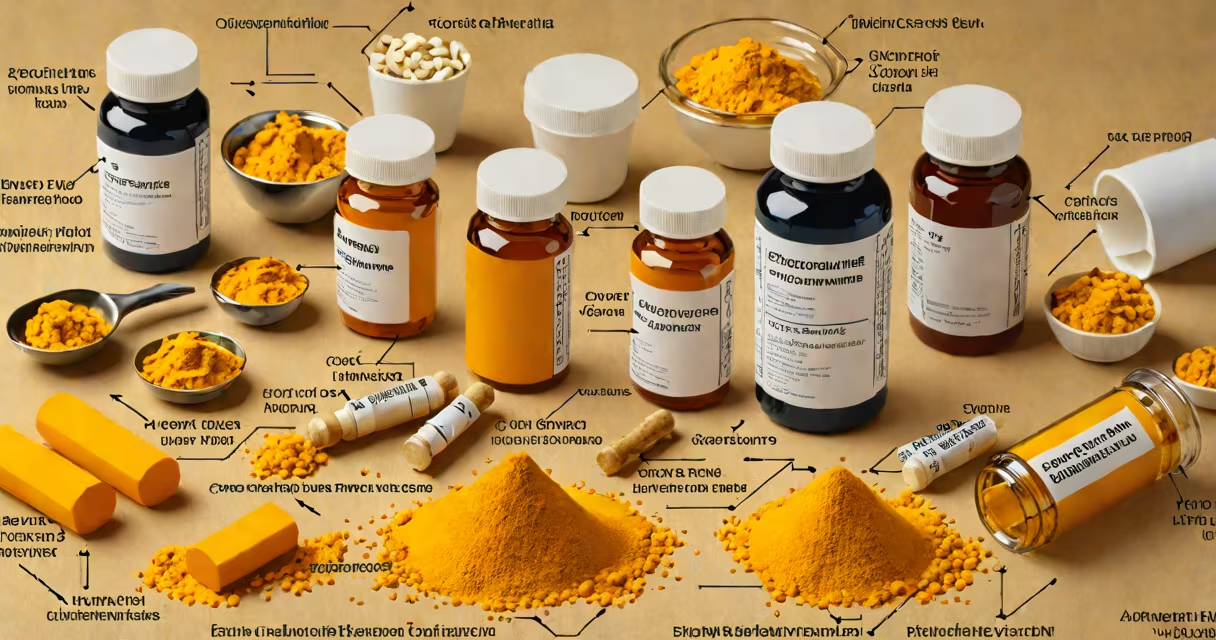
Supplements for joint pain are dietary products designed to reduce discomfort, improve mobility, and support cartilage and connective tissue in joints. They typically contain compounds like glucosamine, chondroitin, omega-3 fatty acids, and curcumin, which research suggests may influence inflammation and joint structure.
These supplements are not medications. They do not cure arthritis or reverse joint damage. Instead, they aim to manage symptoms and slow degeneration in people with osteoarthritis, rheumatoid arthritis, or joint stress from activity or aging. The most studied forms are glucosamine sulfate and chondroitin sulfate, both derived from shellfish and animal cartilage.
A 2021 review published in Arthritis & Rheumatology analyzed 14 randomized controlled trials and found that participants taking glucosamine and chondroitin together reported modest reductions in pain and stiffness compared to placebo. The effect was consistent across multiple studies, though not dramatic. Not all supplements deliver this level of evidence-many contain low doses or inactive forms.
Joint pain often stems from breakdown of cartilage-the cushion between bones. As cartilage wears down, bones rub, causing pain and reduced motion. Supplements aim to slow this process by providing building blocks for cartilage repair and reducing inflammatory signals.
Glucosamine and chondroitin are structural components of healthy cartilage. Glucosamine stimulates chondrocytes-cells that maintain cartilage-to produce new matrix proteins. Chondroitin inhibits enzymes that degrade cartilage and may improve joint lubrication. Together, they create a synergistic effect seen in clinical trials.
Omega-3 fatty acids from fish oil suppress pro-inflammatory cytokines like interleukin-6 and tumor necrosis factor-alpha. A 2019 study in Journal of Nutrition showed that daily intake of 3 grams of EPA and DHA reduced knee pain in patients with osteoarthritis by 20% over 12 weeks. This effect is dose-dependent and requires consistent use.
Not all supplements for joint pain are equal. Active ingredients vary in form, dosage, and bioavailability. The table below compares the most researched compounds.
| Ingredient | Form | Dose Range | Research Support |
|---|---|---|---|
| Glucosamine sulfate | Crystal form | 1,500 mg/day | High (multiple RCTs) |
| Chondroitin sulfate | Animal-derived | 800-1,200 mg/day | High (combined with glucosamine) |
| Omega-3 (EPA/DHA) | Fish oil triglyceride | 2-3 g/day | Medium-high (anti-inflammatory effects) |
| Curcumin (from turmeric) | Standardized extract | 500-1,000 mg/day | Low-moderate (bioavailability issues) |
| Collagen peptides | Hydrolyzed type II | 10-15 g/day | Emerging (some positive trial results) |
Glucosamine sulfate is the most studied form. Other forms-like glucosamine hydrochloride-lack consistent evidence. Chondroitin sulfate from bovine or shark cartilage shows better absorption than synthetic versions. Omega-3s must be in triglyceride form for optimal uptake. Curcumin is poorly absorbed unless combined with piperine (black pepper extract).
Many brands list "joint support" blends with dozens of ingredients. These often include low-dose vitamins, herbs, and proprietary mixes with no human trials. A 2022 analysis by the U.S. Pharmacopeia found that 60% of such products contained less than 50% of declared active ingredients.
People assume supplements for joint pain work like prescription NSAIDs-quick relief. That's not accurate. Most take 4 to 8 weeks to show measurable improvement. Pain reduction is gradual and varies by individual.
Another myth is that "natural" equals safe. Turmeric is safe in food, but high-dose curcumin supplements can interfere with blood thinners. A 2020 case report in Pharmacotherapy described a patient on warfarin who experienced elevated INR levels after starting a turmeric supplement. Always consult a doctor if using anticoagulants.
Some brands claim "clinically proven" without citing peer-reviewed studies. Look for references to double-blind, placebo-controlled trials. The National Institutes of Health's Office of Dietary Supplements maintains a database of evidence-based supplements. Check their profiles for glucosamine, chondroitin, and omega-3s.
Mary, a retired teacher, began experiencing knee pain during walks. An MRI confirmed early-stage osteoarthritis. Her doctor recommended weight management and physical therapy. She added a supplement containing 1,500 mg glucosamine sulfate and 1,200 mg chondroitin sulfate daily.
After six weeks, she reported a 30% reduction in pain during daily walking. After 12 weeks, her pain score dropped from 6/10 to 3/10 on a standard scale. She continued the regimen for 18 months with stable results. No side effects occurred.
This outcome aligns with findings from the GAIT trial (Glucosamine/Chondroitin Arthritis Intervention Trial), which found that combination therapy reduced pain in 30% of participants with moderate-to-severe knee OA. The effect was strongest in those with baseline pain above 5/10.
Supplements for joint pain don't replace medical treatment. If pain worsens, swelling appears, or mobility declines, see a rheumatologist or orthopedic specialist. Imaging and lab tests may reveal underlying conditions like gout, infection, or autoimmune disease.
For severe joint damage, injections of hyaluronic acid or corticosteroids may be needed. Surgery remains the only option for advanced cases. Supplements are adjuncts-not replacements-for diagnosis and care.
I once observed a patient in a clinic who had taken multiple "joint health" supplements for two years. His pain increased, and imaging revealed advanced joint space narrowing. He stopped all supplements and began physical therapy. Within four months, his function improved. This case underscores that supplements are not a substitute for proper evaluation.
Supplements for joint pain can provide symptom relief when chosen carefully. Prioritize products with clinically tested ingredients, correct dosages, and transparent labeling. Always discuss supplements with your healthcare provider, especially if you have chronic conditions or take other medications.