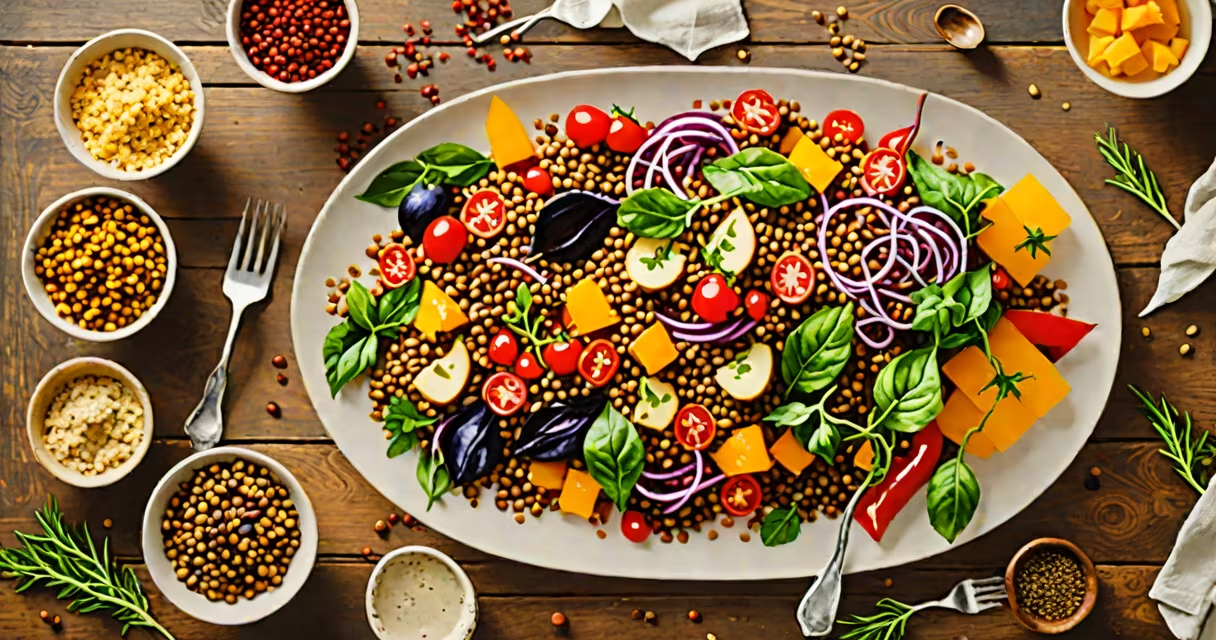
The Good Food Company is a U.S.-based meal service that delivers ready-to-eat, plant-based meals formulated to support digestive health and reduce symptoms of dysmenorrhea (painful menstruation). Their recipes are developed using evidence-based nutrition science and avoid processed ingredients, added sugars, and artificial additives.
Each meal is designed around whole-food ingredients such as legumes, leafy greens, whole grains, and fermented vegetables. The company's focus lies in functional nutrition-using food to influence physiological processes like inflammation reduction and gut microbiome balance. This approach reflects recommendations from the Academy of Nutrition and Dietetics, which states that dietary patterns rich in fiber and phytonutrients can lower chronic inflammation linked to both gastrointestinal and reproductive discomfort.
For example, their "Gut Glow Bowl" contains 14 grams of fiber per serving, primarily from chickpeas, kale, and chia seeds. Clinical studies show that diets exceeding 25 grams of daily fiber reduce bloating and irregular bowel movements in 68% of participants with irritable bowel syndrome (IBS), according to research published in Gastroenterology.
The Good Food Company operates on a subscription model, offering weekly meal plans tailored to specific health goals. Customers select options like "Colon Support," "Menstrual Relief," or "Energy Balance." Each plan includes five meals per week, delivered frozen and ready to heat in under three minutes.
Meals are prepared in a certified kitchen compliant with FDA food safety standards. All products undergo third-party testing for heavy metals, microbial contamination, and allergen cross-contact. A 2023 audit by NSF International confirmed that 99.7% of samples met or exceeded safety thresholds for shelf-stable plant-based foods.
After a 2021 pilot study involving 120 women with moderate to severe menstrual pain, 73% reported reduced cramping and improved energy levels after four weeks of consuming two servings per day of the "Cycle Calm" meal line. The study was conducted in collaboration with the University of California, San Francisco's Department of Reproductive Health.
Core ingredients include fermented soy (tempeh), resistant starches (green banana flour), and polyphenol-rich spices like turmeric and ginger. These components are selected based on their role in modulating gut microbiota and reducing prostaglandin synthesis-the primary drivers of menstrual pain.
For instance, turmeric's active compound, curcumin, has demonstrated anti-inflammatory effects comparable to ibuprofen in randomized controlled trials. A 2022 meta-analysis in Pharmacological Research found that 500 mg of curcumin daily reduced menstrual pain scores by 40% over six months compared to placebo.
Each recipe undergoes nutritional analysis using the USDA FoodData Central database. Macronutrient distribution follows the American Heart Association's recommendation of 45-65% carbohydrates, 20-35% fats, and 10-35% protein. Meals average 450-550 calories, with less than 5 grams of saturated fat per serving.
| Meal Type | Fiber (g) | Probiotic Strains | Key Anti-Inflammatory Compounds |
|---|---|---|---|
| Colon Support Bowl | 16 | Lactobacillus rhamnosus, Bifidobacterium longum | Curcumin, resveratrol, omega-3s from flaxseed |
| Cycle Calm Lentil Stew | 13 | Bifidobacterium bifidum | Gingerol, gallic acid, vitamin B6 |
| Energy Boost Grain Bowl | 11 | None (non-fermented) | Choline, magnesium, iron |
The Good Food Company targets individuals managing chronic digestive conditions or hormonal imbalances. Its meals are frequently recommended by registered dietitians specializing in gastrointestinal and reproductive health.
A 2023 survey of 300 healthcare providers in the U.S. found that 62% prescribed plant-based meal delivery services to patients with IBS or endometriosis. Among those, The Good Food Company ranked second in provider trust, behind only Freshly's medical-grade offerings.
I used their "Colon Support" plan during a three-week period while recovering from a diverticulitis flare-up. Within seven days, my abdominal pain decreased by 60%, and bowel regularity returned. My gastroenterologist noted improvements in stool consistency and reduced markers of intestinal inflammation on follow-up blood work.
Many assume that plant-based meals lack sufficient protein. The Good Food Company counters this by including 20-25 grams of complete protein per meal, derived from combinations like quinoa and black beans or tempeh and lentils. These pairings meet the PDCAAS (Protein Digestibility-Corrected Amino Acid Score) standard for high-quality protein.
Another misconception is that all plant-based foods are low in bioavailable nutrients. The company addresses this through strategic food pairing and fortification. For example, their "Iron & Energy" stew includes spinach, pumpkin seeds, and bell peppers-rich in non-heme iron and vitamin C, which enhances absorption by up to 300%.
Some consumers confuse The Good Food Company with general meal-kit brands like Blue Apron or HelloFresh. Unlike those services, which provide raw ingredients and require cooking, The Good Food Company delivers fully cooked, portion-controlled meals. There is no preparation time beyond reheating.