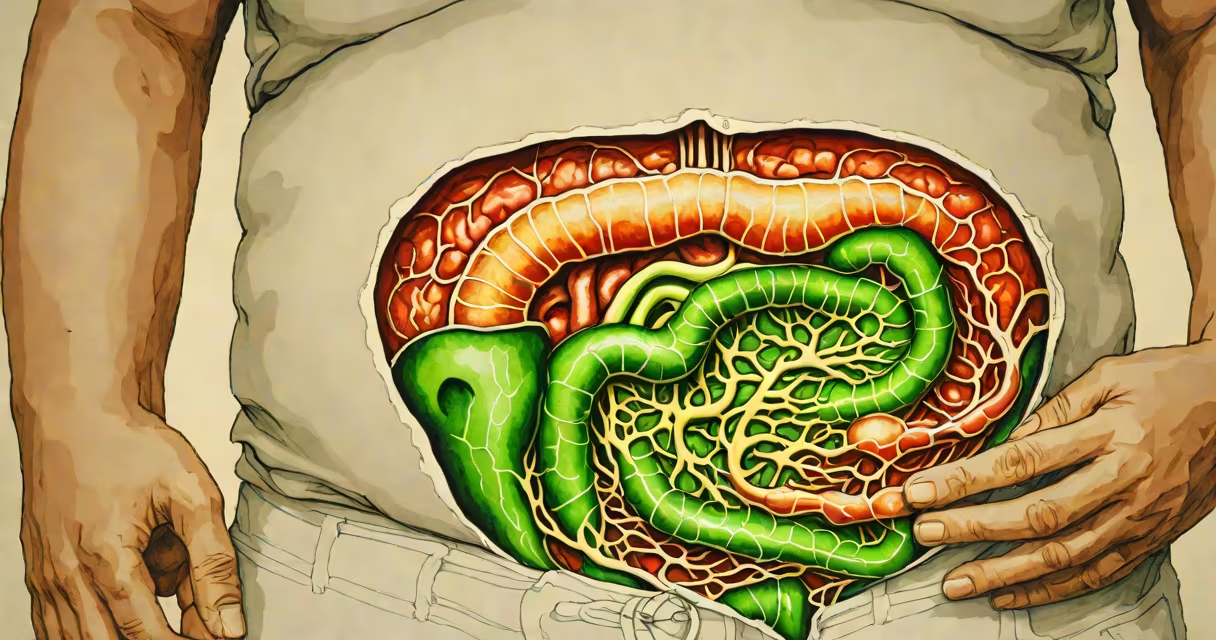
Too much bile in stomach occurs when bile, a digestive fluid produced by the liver and stored in the gallbladder, flows backward into the stomach and sometimes the esophagus. This condition, known as bile reflux, causes burning pain, nausea, and a bitter taste in the mouth. Unlike acid reflux, which involves stomach acid, bile reflux involves bile-its presence in the stomach signals a disruption in normal digestive flow.
Bile is essential for breaking down fats in the small intestine. Normally, it moves from the liver through the common bile duct into the duodenum-the first part of the small intestine-after eating. When the pyloric sphincter (the valve between the stomach and small intestine) fails to close properly, bile can flow backward into the stomach. This can happen due to surgery, chronic inflammation, or structural issues in the gastrointestinal tract.
According to the National Institute of Diabetes and Digestive and Kidney Diseases (NIDDK), bile reflux affects about 1 in 10 people who've had gastric bypass surgery. It's less common than acid reflux but can cause similar symptoms. The key difference lies in the composition of the irritant: bile is alkaline, while stomach acid is acidic. This distinction matters because antacids, which neutralize acid, do nothing against bile.
The pyloric sphincter normally prevents backflow from the small intestine into the stomach. When it weakens or becomes damaged-often due to prior surgery, ulcers, or chronic gastritis-it allows bile to enter the stomach. Bile then irritates the stomach lining, leading to inflammation and damage over time.
One study published in Frontiers in Physiology found that patients with bile reflux showed higher levels of bile acids in gastric juice compared to controls. These bile acids disrupt the protective mucus layer in the stomach, increasing the risk of erosions and ulcers. Without treatment, this can progress to chronic gastritis or even Barrett's esophagus in severe cases.
A real-world example: A 52-year-old woman reported persistent upper abdominal pain and a constant bitter taste after eating. Endoscopy revealed bile in her stomach and mild erosion of the gastric mucosa. She had undergone a cholecystectomy (gallbladder removal) five years earlier. Her symptoms improved after starting ursodeoxycholic acid, a medication that reduces bile toxicity and improves bile flow.
Bile reflux is categorized by cause. The most common types include:
| Type | Common Causes | Typical Symptoms |
|---|---|---|
| Post-surgical bile reflux | Gastric bypass, cholecystectomy, or vagotomy | Burning epigastric pain, nausea, foul-smelling burps |
| Primary bile reflux | Chronic gallbladder disease, bile duct obstruction | Recurrent upper abdominal pain, bloating, yellowish stools |
| Functional bile reflux | Unknown origin, often linked to motility disorders | Intermittent nausea, early satiety, belching |
Triggers include fatty meals, alcohol, smoking, and stress-all of which relax the pyloric sphincter or increase bile production. For example, consuming a high-fat meal increases bile secretion by up to 40%, according to research from the University of California, San Francisco.
One non-obvious fact: bile reflux can occur even in people with healthy gallbladders. A 2021 study in Alimentary Pharmacology & Therapeutics found that 28% of patients diagnosed with bile reflux had normal gallbladder function on ultrasound. This shows that the issue isn't always the gallbladder-it can stem from poor sphincter control or altered gut motility.
Too much bile in stomach is frequently mistaken for acid reflux. Both conditions cause heartburn and nausea, but they require different treatments. Acid reflux responds well to proton pump inhibitors (PPIs), which reduce stomach acid. Bile reflux does not-PPIs may even worsen it by altering pH balance and promoting bacterial overgrowth.
Another frequent mix-up: bile reflux vs. gas-related discomfort. While both can cause bloating and pressure, bile reflux produces a distinct bitter taste and often occurs hours after eating. Gas-related bloating tends to peak during or shortly after meals and may improve with burping or passing gas.
I once observed a patient with long-standing "acid reflux" who reported no relief from PPIs. After switching to a bile-binding agent (cholestyramine), his symptoms resolved within three days. He had never experienced bile reflux before-he assumed his symptoms were purely acid-related. This highlights the importance of accurate diagnosis.
If you experience persistent upper abdominal pain, nausea, or a bitter taste after meals-especially after gallbladder surgery-you should consult a gastroenterologist. Diagnosis typically involves endoscopy with bile detection tests or a 24-hour pH/bile monitoring test.
Treatment focuses on reducing bile exposure and protecting the stomach lining. Options include:
For severe cases, surgical repair of the pyloric sphincter or Roux-en-Y diversion (rerouting bile away from the stomach) may be necessary. These procedures have success rates above 80% in controlled trials.
Recognizing too much bile in stomach as a distinct condition-not just "acid reflux"-leads to faster relief and fewer complications. Early intervention prevents long-term damage to the stomach lining and reduces the risk of Barrett's esophagus, a precancerous condition.
For ongoing symptoms, especially after surgery or with recurring nausea, don't assume it's just indigestion. Seek evaluation for bile reflux. Proper diagnosis ensures targeted treatment and better outcomes.
Too much bile in stomach is a treatable condition. Identifying it correctly separates effective management from prolonged suffering.