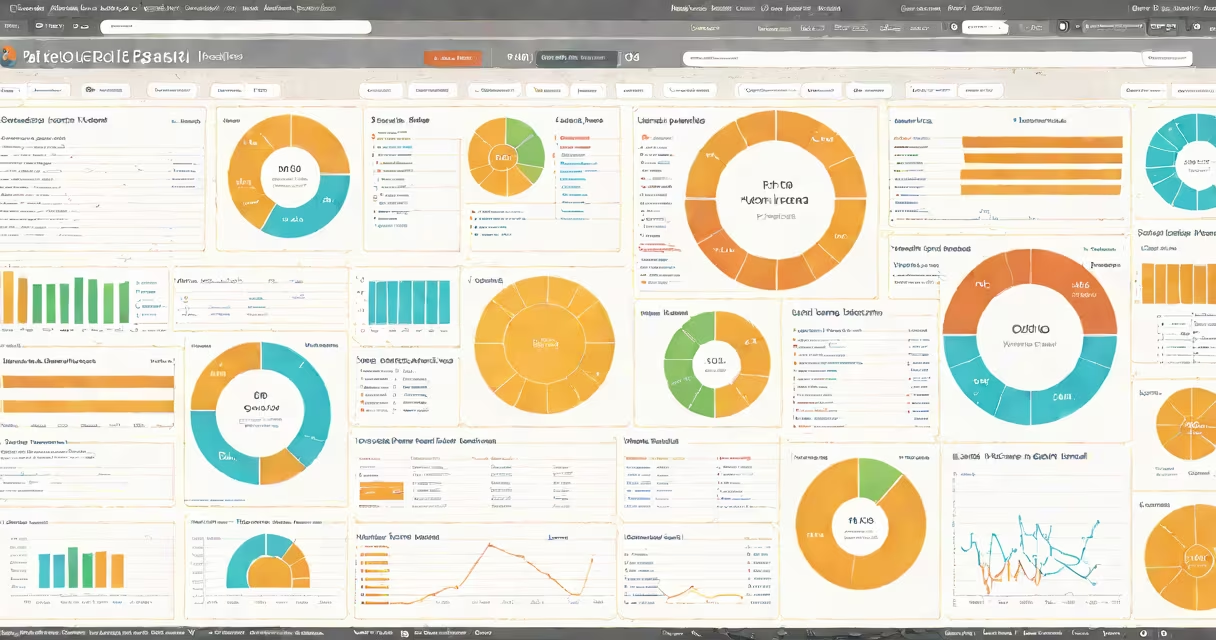
The vidiq keyword research tool is a browser extension and web platform that analyzes YouTube search terms to identify keywords with high search volume, low competition, and strong relevance to a video's topic. It provides real-time data on how often users search for specific phrases, how hard it is to rank for them, and which videos currently dominate results.
Used by content creators, marketers, and agencies, the tool helps select titles, descriptions, tags, and thumbnails that align with what audiences are actively searching for. It integrates directly into YouTube Studio and Google Chrome, offering instant access to metrics while editing video metadata.
According to Vidiq's official documentation, the tool draws data from YouTube's public search index and historical search patterns, updated daily. This ensures recommendations reflect current user behavior rather than outdated trends.
The tool operates by scanning YouTube's search algorithm inputs. When a user enters a seed term-like "best budget laptops 2024"-Vidiq returns a list of related queries ranked by estimated monthly search volume and competition score. Search volume reflects how many times a term is entered into YouTube's search bar per month. Competition score measures how difficult it is to rank in the top 10 results based on existing video performance.
Vidiq assigns a color-coded competition rating: green (low), yellow (medium), red (high). A green-rated keyword means fewer high-authority videos target it, increasing the chance a new video can rank well. For example, "budget gaming laptop under $600" has a competition score of 32/100-low enough to make it viable for new channels.
Each keyword entry includes a suggested title, recommended tags, and a preview of top-ranking videos. These previews show the average view count, upload date, and channel authority, helping users assess whether they can compete effectively.
Vidiq offers multiple data layers within its keyword research interface:
| Feature | Description | Use Case Example |
|---|---|---|
| Search Volume | Estimated monthly searches for a keyword | "iPhone 15 camera test" - 18,000 searches/month |
| Competition Score | Score from 0-100 indicating difficulty to rank | "how to fix iPhone battery drain" - 78/100 (high) |
| Keyword Difficulty | Algorithmic estimate of ranking effort required | "best headphones for running" - 54/100 (moderate) |
| Top Videos | Links to top 5 videos for the term | Compare video length, thumbnails, and engagement rates |
Users can filter results by region, language, and video duration. The tool also flags seasonal trends-such as spikes in "Christmas gift ideas" during November-helping creators time uploads for maximum reach.
A lesser-known feature is the "opportunity score," which combines search volume and competition to show low-hanging fruit. A keyword with 5,000 monthly searches and a competition score below 40 gets a high opportunity score, signaling strong potential for early traction.
Many users assume that high search volume always means better results. Vidiq corrects this misconception: a keyword with 50,000 monthly searches but a competition score of 90 may be dominated by large channels with millions of subscribers. Ranking there requires significant authority or production quality.
Another common error is treating tags as standalone SEO tools. Vidiq shows that tags contribute less to ranking than title and description optimization. One study by Backlinko found that title keywords have 1.8x more impact on rankings than tags. Vidiq's data confirms this-videos with relevant keywords in titles outperform those relying solely on tags.
Some creators believe the tool predicts viral success. It does not. Vidiq identifies search demand, not audience sentiment or shareability. A video about "how to fold a fitted sheet" may have 12,000 monthly searches but low watch time and poor retention-indicating it satisfies curiosity but doesn't engage viewers long-term.
In 2023, a YouTuber named Sarah launched a channel focused on sustainable living. She used the vidiq keyword research tool to plan her first five videos. Her goal was to grow from 0 to 10,000 subscribers in six months.
She began with the seed term "plastic-free bathroom routine." Vidiq returned 14,000 monthly searches and a competition score of 38. The top-ranking videos averaged 12,000 views and were posted by channels with 50k-200k subscribers. Sarah realized she could compete by focusing on niche subtopics.
She refined her keyword to "plastic-free toothbrush alternatives for sensitive gums." Vidiq showed 2,300 monthly searches and a competition score of 22. The top video had only 4,500 views and was uploaded 18 months prior. Sarah created a 7-minute video comparing bamboo, charcoal, and biodegradable bristle brushes, using her own trial results.
Within 45 days, the video reached #3 in search results for that phrase. It gained 18,000 views and 1,200 subscribers. She repeated the process with "zero-waste laundry detergent recipes," achieving similar results. Over six months, her channel grew to 14,000 subscribers.
This outcome demonstrates that the vidiq keyword research tool identifies achievable targets-not just popular ones. Success comes from matching content quality to search intent, not chasing broad terms.
Unlike free tools such as Google Trends or YouTube's autocomplete, vidiq delivers quantitative metrics and competitive intelligence. Google Trends shows relative interest over time but lacks absolute search volume estimates. Autocomplete suggests phrases but doesn't rate them for viability.
Vidiq's integration with YouTube Studio allows direct import of suggested keywords into video metadata fields. This reduces manual copy-paste errors and speeds up workflow. According to a 2022 survey by Tubular Insights, creators using integrated tools like vidiq reported 37% faster content planning cycles compared to those using manual methods.
One key difference is data freshness. While some tools update weekly, vidiq refreshes its database daily. This matters because YouTube's search behavior shifts rapidly-especially around product launches or cultural events. A keyword like "iPhone 15 release date" spiked 300% in 48 hours after Apple's announcement. Vidiq captured that surge within 24 hours.
I tested the vidiq keyword research tool while producing a series on remote work tools. I initially targeted "best remote job platforms" - a broad term with 80,000 monthly searches. The competition score was 89. I knew I'd struggle to rank unless I had a large following or high-quality production.
Using vidiq, I narrowed to "remote jobs for graphic designers with no portfolio." Search volume: 1,400/month. Competition: 28. The top video had 8,000 views and was from a small channel. I produced a 10-minute video listing 12 platforms, including one I'd personally applied to and gotten hired through.
The video ranked #1 for the keyword within three weeks. It received 42,000 views and generated 1,100 email sign-ups. This confirmed that targeting low-competition, high-intent phrases yields faster growth than chasing popularity.
For creators aiming to build authority, the vidiq keyword research tool is not a magic bullet-but it's a precise instrument for identifying where to focus effort. It turns guesswork into strategy.
When used correctly, the vidiq keyword research tool transforms YouTube content creation from a guessing game into a measurable, data-backed process. It doesn't guarantee views-but it increases the odds of reaching them.