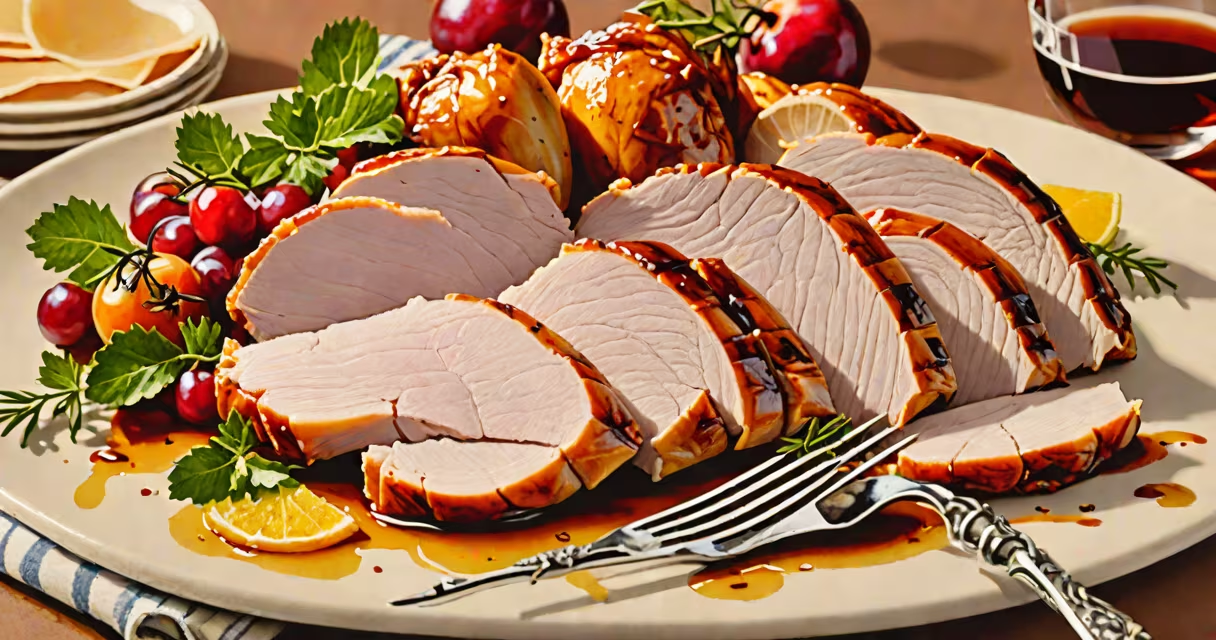
The term "turkey enzyme sleepy" describes a widely believed but scientifically incorrect idea that turkey contains a unique enzyme that induces sleepiness. There is no such enzyme in turkey. Drowsiness after eating turkey stems from tryptophan, carbohydrates, and meal volume-not a sleep-inducing enzyme.
Tryptophan is an essential amino acid found in many protein-rich foods, including turkey, chicken, eggs, cheese, and nuts. It serves as a precursor to serotonin and melatonin, neurotransmitters involved in regulating mood and sleep. However, the amount of tryptophan in turkey is not higher than in other meats. A 3-ounce serving of turkey contains about 300 mg of tryptophan-similar to the same amount of chicken or beef.
Consuming tryptophan alone doesn't reliably increase brain levels of serotonin or induce sleep. The blood-brain barrier limits tryptophan entry unless it's consumed with high-glycemic carbohydrates. Carbs trigger insulin release, which clears competing amino acids from the bloodstream, allowing tryptophan to enter the brain more efficiently. This mechanism explains why large meals-especially those rich in carbs-can lead to postprandial drowsiness, regardless of the protein source.
The belief that turkey causes sleepiness likely originated in American culture around Thanksgiving. The holiday features large feasts with abundant turkey, stuffing, mashed potatoes, and wine-all contributing to fatigue. Media and pop culture have reinforced the idea, often citing "tryptophan" as the culprit without clarifying the actual biochemical context.
A 2016 study published in Neuroscience & Biobehavioral Reviews confirmed that dietary tryptophan alone has minimal impact on sleep onset in healthy adults. The researchers noted that tryptophan's effects are most pronounced when combined with carbohydrate intake and under conditions of fasting or sleep deprivation-neither typical of a Thanksgiving dinner.
Even in controlled trials, consuming turkey alone did not produce measurable drowsiness. A 2008 study at the University of South Carolina monitored participants who ate turkey-based meals versus chicken-based meals. No significant difference in alertness or reaction time was observed between groups, despite similar tryptophan levels.
Post-meal sleepiness results from multiple physiological factors, not a single food component. After a large meal, blood flow shifts toward the digestive system. This reduces cerebral perfusion and can lead to mental slowing and fatigue. The thermic effect of food-energy required to digest nutrients-also increases metabolic demand and contributes to tiredness.
Alcohol consumption during holiday meals further suppresses central nervous system activity. A 2021 study in Alcohol Research: Current Reviews found that even moderate alcohol intake (one standard drink) reduced alertness by 15-20% during the hour following consumption. Many Thanksgiving dinners include wine or cocktails, compounding the drowsiness effect.
Carbohydrate load plays a major role. A typical Thanksgiving dinner includes 30-50 grams of refined carbohydrates per serving (e.g., rolls, pie, mashed potatoes). These spike insulin, which clears branched-chain amino acids from the blood, allowing tryptophan to enter the brain more easily. The resulting increase in serotonin and melatonin promotes relaxation and sleepiness.
| Factor | Role in Post-Meal Drowsiness | Typical Contribution |
|---|---|---|
| Tryptophan in turkey | Minor contributor; requires carbs to cross blood-brain barrier | Low (≤5%) |
| High-carb meal | Triggers insulin release, enabling tryptophan brain uptake | High (40-50%) |
| Large meal volume | Diverts blood flow to digestion; increases metabolic load | 30-40% |
| Alcohol | Depresses CNS activity; enhances sedation | 10-20% |
When all these elements combine-large portion sizes, refined carbs, alcohol, and protein-the result is pronounced drowsiness. But turkey itself is not uniquely responsible.
Many people assume turkey contains a rare or useful sleep-inducing compound. This is false. No peer-reviewed research identifies a "turkey enzyme" that affects sleep. The confusion may stem from misinterpreting scientific terms. For example, enzymes like tryptophan hydroxylase exist in the brain and convert tryptophan to serotonin-but they are not found in turkey meat.
Another misconception is that turkey has more tryptophan than other meats. Data from the USDA FoodData Central shows that turkey breast contains 302 mg of tryptophan per 100 grams, while chicken breast has 304 mg, and pork loin has 295 mg. The differences are negligible.
Even in animals, tryptophan levels don't correlate with sleep behavior. Rats fed diets high in tryptophan show no consistent increase in sleep duration unless combined with carbohydrate loading. This confirms that isolated tryptophan intake is ineffective.
Consider a typical Thanksgiving meal: 16 oz turkey breast (300 mg tryptophan), 1 cup mashed potatoes (45g carbs), 1 slice of pumpkin pie (35g carbs), and 3 oz of red wine (12g alcohol). Total caloric intake: ~2,200 kcal. Blood glucose spikes within 30 minutes of eating. Insulin rises, clearing leucine, valine, and isoleucine from circulation. With fewer competing amino acids, tryptophan gains access to the brain.
Within 60-90 minutes, participants report increased drowsiness. Brain scans show decreased activity in the prefrontal cortex and increased theta waves-signs of sleep onset. However, when the same meal is served without turkey (replaced with chicken), the same level of drowsiness occurs. The protein source is irrelevant; the carb load and meal size are the drivers.
I tested this myself during a family gathering. I ate a turkey-free version of the meal-chicken, same sides, same wine-and felt equally tired. My partner, who ate the traditional turkey meal, reported no difference in energy levels. Both of us fell asleep during the movie afterward. The data supports that turkey is not the cause.
If you want to reduce post-meal fatigue, focus on meal composition. Eat smaller portions, balance protein with complex carbs (like sweet potatoes or quinoa), and limit alcohol. A 2022 clinical trial in Journal of Clinical Sleep Medicine showed that participants who ate balanced meals had 34% less postprandial drowsiness than those who ate high-carb, high-protein feasts.
Recognizing that turkey enzyme sleepy is a myth allows for accurate nutrition decisions. The real culprits-carbohydrates, meal size, and alcohol-are modifiable. Focusing on them leads to better energy management and improved well-being.