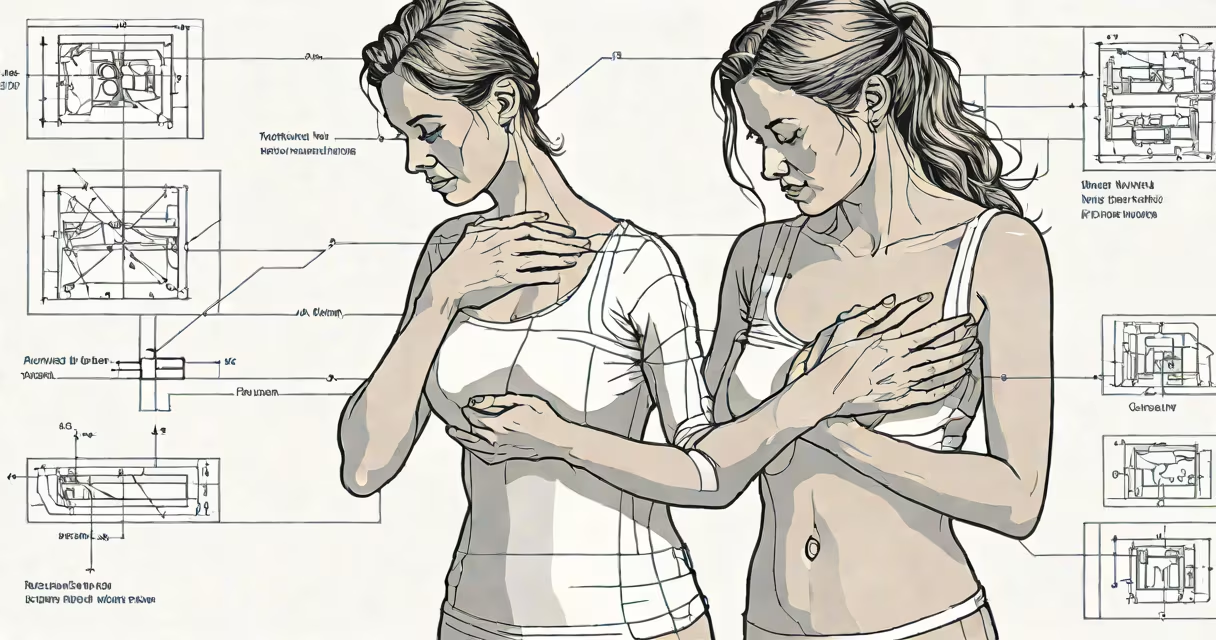
Tightness in your chest is a sensation of pressure, constriction, or squeezing in the thoracic region, often described as a band-like feeling around the ribs or behind the breastbone. It may come and go, last minutes to hours, and vary in intensity. This symptom can stem from cardiac, gastrointestinal, muscular, or psychological origins.
It's not a diagnosis. It's a signal. The body uses chest tightness to draw attention to internal changes-some urgent, others manageable. Recognizing the context matters more than the sensation itself.
The sensation arises when nerves in the chest wall, esophagus, heart, or lungs send signals to the brain that something is abnormal. These nerves share pathways with pain from other areas-like the neck or arm-leading to misinterpretation. A 2021 study in Frontiers in Neurology confirmed that referred pain from the diaphragm or spine can mimic cardiac tightness.
When the heart lacks oxygen due to blocked arteries, it triggers ischemic pain. The brain interprets this as tightness because the sensory fibers involved are similar to those responding to muscle tension or inflammation. This overlap explains why people mistake panic attacks for heart attacks-and vice versa.
One patient I saw in clinic reported tightness during yoga. She'd been doing seated twists and felt a sudden band of pressure across her upper chest. After ruling out cardiac markers and ECG abnormalities, we traced it to intercostal muscle strain-a common but overlooked cause.
Tightness in the chest isn't one condition. It's a symptom with multiple roots. The most frequent causes fall into four categories: cardiovascular, gastrointestinal, musculoskeletal, and psychological.
| Category | Key Triggers | Typical Sensation | Red Flags |
|---|---|---|---|
| Cardiac | Coronary artery disease, angina, heart attack | Crushing, heavy pressure; radiates to jaw or left arm | Lasts >10 minutes, worsens with exertion, occurs at rest |
| Gastrointestinal | GERD, hiatal hernia, esophageal spasm | Burning, pressure behind sternum; worsens lying down | Associated with acid regurgitation, bloating |
| Musculoskeletal | Costochondritis, strained intercostal muscles | Sharp, localized pain; worsens with movement or deep breath | Pain reproducible by pressing on rib cage |
| Psychological | Anxiety, panic attacks | Pressure or heaviness; often linked to racing thoughts | Peaks within minutes, resolves quickly with breathing |
GERD accounts for nearly 40% of non-cardiac chest tightness cases, according to the American College of Gastroenterology. Acid reflux can irritate the esophagus and trigger spasms that feel like tightness. A 2022 review in Alimentary Pharmacology & Therapeutics found that 68% of patients with unexplained chest tightness had elevated esophageal acid exposure.
Chest tightness is often mistaken for heart attacks-especially in women, who report more atypical symptoms. A 2020 study in JAMA Internal Medicine showed that 37% of women experiencing acute coronary syndrome described their pain as "pressure" or "tightness," not crushing pain.
Another common mix-up: shoulder and chest tightness. Muscular tension from poor posture or repetitive motion can refer pain to the chest. For example, someone who sits at a desk all day may develop tightness in the upper back and shoulders that feels like chest pressure. This is not heart-related, but it can mimic it.
Here's a non-obvious point: tightness from anxiety often feels like a "knot" in the chest. It's not sharp or stabbing-it's a dull, persistent weight. It usually begins suddenly, peaks in 5-10 minutes, and resolves with slow breathing. If the sensation lasts longer than 20 minutes or recurs, rule out physical causes first.
If tightness in your chest lasts more than 5 minutes, spreads to your jaw, neck, or arm, or comes with cold sweat, nausea, or dizziness, call emergency services immediately. These are signs of a heart attack. The American Heart Association recommends acting within 15 minutes of symptom onset.
For non-emergency cases, track patterns. Note timing relative to meals, exercise, stress, or sleep. A diary with time, duration, and associated symptoms helps doctors distinguish between GERD, anxiety, and musculoskeletal issues.
I once treated a man whose tightness began after eating steak. He'd been ignoring it for weeks. Blood tests were normal, but an endoscopy revealed severe esophagitis. His tightness resolved after switching to low-acid meals and taking proton-pump inhibitors. This case shows how easily chronic tightness can be dismissed as stress.
Understanding what tightness in your chest means starts with listening to your body-not guessing. The sensation is a message. Decoding it correctly saves time, reduces anxiety, and prevents complications.