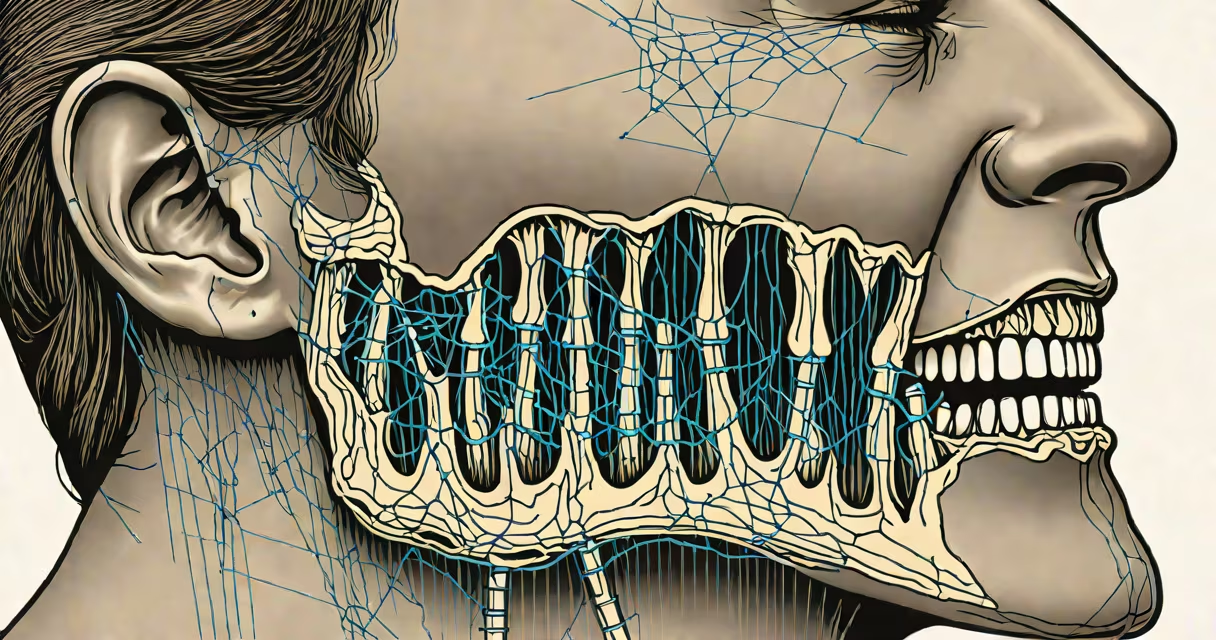
Upper teeth pain and sinus symptoms often arise from the same anatomical region-the maxillary sinus, located above the upper molars and premolars. When inflamed or infected, this sinus can press on nearby nerves, causing pain that feels like a toothache. This condition is known as dental sinusitis.
The maxillary sinus sits directly beneath the eye sockets and above the upper jaw. Its lining shares sensory nerves with the upper teeth. When the sinus becomes blocked during a cold or allergies, pressure builds. That pressure can radiate to the roots of the upper teeth, especially the molars, creating deep, dull, or throbbing pain. The pain may worsen when bending forward or lying down, which increases sinus pressure.
According to the American Academy of Otolaryngology-Head and Neck Surgery, up to 30% of patients presenting with tooth pain in the upper jaw have no dental cause. Instead, imaging shows sinus disease. A CT scan can confirm whether the maxillary sinus is filled with fluid or thickened mucosa, indicating infection or chronic inflammation.
Nerves from the maxillary sinus and upper teeth converge in the trigeminal nerve's maxillary branch (V2). Because these nerves share pathways, pain signals can be misinterpreted by the brain. The brain may perceive sinus pressure as originating from a tooth rather than the sinus cavity.
This is why patients often report pain in a specific tooth-say, the left upper molar-but a dentist finds no decay, abscess, or gum disease. The tooth may be healthy, yet the pain persists. The pain typically affects multiple teeth on one side, not a single isolated tooth, which helps distinguish it from a true dental issue.
A real-world example: A 42-year-old woman reported persistent pain in her left upper molar for five days. She had no history of cavities or dental work. A dentist found no signs of infection. An ENT specialist ordered a CT scan, revealing opacification of the left maxillary sinus-indicating acute sinusitis. After a course of antibiotics and nasal decongestants, the tooth pain resolved within 72 hours.
Upper teeth pain and sinus issues fall into two main categories: acute and chronic sinusitis. Acute cases last less than four weeks and are usually caused by viral infections. Chronic cases persist beyond 12 weeks and may stem from untreated allergies, nasal polyps, or structural abnormalities like a deviated septum.
| Type | Duration | Common Causes | Typical Symptoms |
|---|---|---|---|
| Acute sinusitis | <4 weeks | Viral colds, bacterial infection | Facial pressure, thick yellow-green mucus, fever |
| Chronic sinusitis | >12 weeks | Allergies, nasal polyps, immune disorders | Constant pressure, postnasal drip, reduced smell |
Non-allergic rhinitis and environmental irritants such as smoke or pollution can also trigger sinus swelling that radiates to the upper teeth. Even dry air in winter can dry out sinus membranes, increasing susceptibility to infection.
Many people assume tooth pain always stems from a dental problem. But when pain occurs in the upper back teeth and is accompanied by facial pressure, congestion, or a feeling of fullness behind the eyes, the source is likely sinus-related. This confusion leads to unnecessary dental procedures.
One key distinction: dental pain from decay or infection tends to be sharp, localized, and worsens with hot/cold stimuli. Sinus-related tooth pain is typically dull, constant, and not sensitive to temperature. It may improve when standing upright due to gravity draining the sinus.
A critical point often missed: if a toothache improves after using a decongestant or saline nasal spray, it strongly suggests a sinus origin. Conversely, if dental treatment fails to relieve pain, sinus involvement should be investigated.
If upper teeth pain lasts longer than 72 hours without improvement, especially with nasal symptoms, consult an ENT specialist. A dentist may refer you for imaging if no dental cause is found. A CT scan or MRI can show sinus blockage or fluid buildup.
Treatment depends on the cause. Acute bacterial sinusitis may require a 10-day course of amoxicillin-clavulanate, per guidelines from the Infectious Diseases Society of America. For allergic or chronic cases, nasal corticosteroids like fluticasone reduce inflammation. Saline irrigation helps clear mucus and debris.
I once treated a patient with recurring upper tooth pain who had undergone two root canals-both unsuccessful. After a referral to an ENT, a CT revealed a large mucocele (mucus-filled cyst) pressing on the sinus wall. Surgical drainage resolved the pain completely. This case illustrates that treating the wrong source delays recovery.
For temporary relief, over-the-counter pain relievers like ibuprofen or acetaminophen can reduce both tooth and sinus pain. Warm compresses applied to the cheek may ease pressure. Staying hydrated thins mucus and supports natural drainage.
Preventing upper teeth pain and sinus flare-ups involves managing triggers. Use a humidifier in dry environments. Avoid smoking and secondhand smoke. Treat allergies early with antihistamines or nasal sprays.
When symptoms begin, start saline nasal rinses twice daily. Use a neti pot or squeeze bottle with sterile or distilled water. Studies show regular irrigation reduces symptom severity by 40% in chronic sinusitis patients, according to research published in Frontiers in Immunology.
For those experiencing frequent episodes, consider seeing an allergist. Identifying triggers like mold, dust mites, or pollen allows targeted avoidance or immunotherapy.