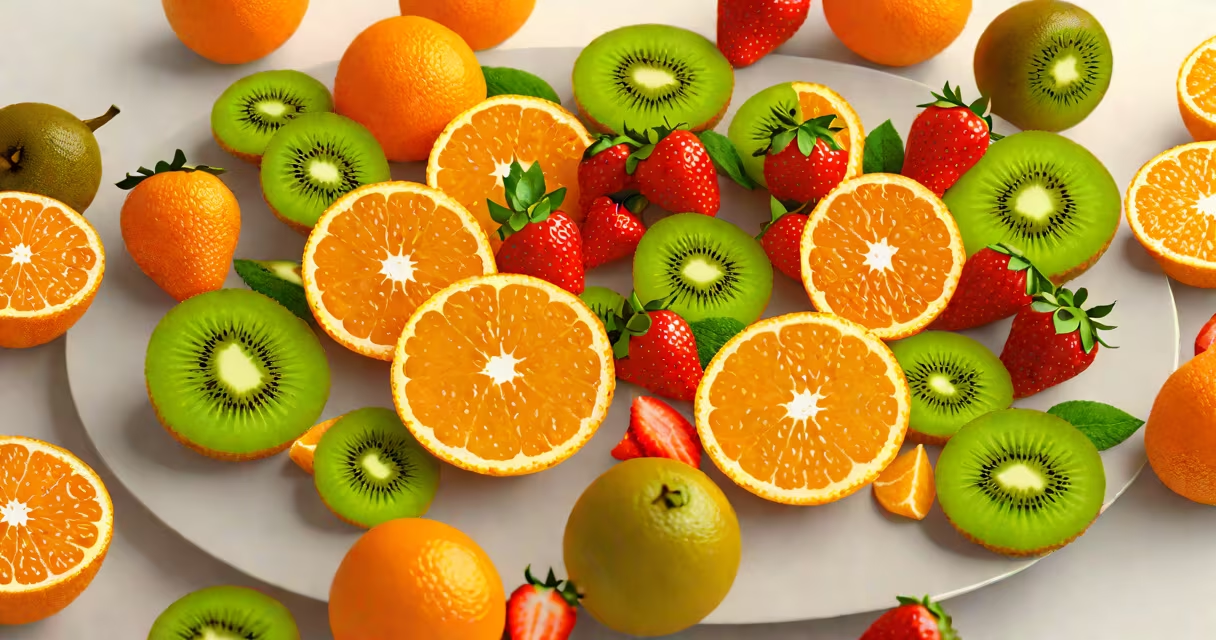
Vitamin C fruits are whole foods naturally rich in ascorbic acid, a water-soluble nutrient critical for immune defense, wound healing, and antioxidant protection. These fruits provide bioavailable vitamin C in forms easily absorbed by the human body.
Ascorbic acid is not synthesized by humans and must come from diet. The body cannot store excess vitamin C, so daily intake through food is necessary. Fruits are among the most accessible and effective dietary sources, offering vitamin C alongside fiber, flavonoids, and other phytonutrients that improve absorption and activity.
The National Institutes of Health (NIH) states that adults need 75-90 mg of vitamin C daily, with smokers requiring 35 mg more due to increased oxidative stress. Meeting this requirement through vitamin C fruits reduces risk of deficiency symptoms such as fatigue, weakened immunity, and poor wound healing.
Vitamin C acts as a cofactor in enzymatic reactions involved in collagen production. Collagen forms connective tissues in skin, tendons, ligaments, and blood vessels. Without sufficient vitamin C, wounds heal slowly and capillaries become fragile, leading to bruising and bleeding gums.
It also functions as a potent antioxidant. Free radicals generated during metabolism and environmental exposure damage cells. Vitamin C neutralizes these reactive molecules, protecting DNA, lipids, and proteins from oxidative harm. This role supports long-term disease prevention, including cardiovascular conditions and certain cancers.
A 2021 study published in Frontiers in Nutrition found that regular consumption of vitamin C-rich fruits correlated with lower incidence of respiratory infections, especially in populations with low baseline intake. The effect was strongest in individuals who consumed at least two servings per day.
Fruits vary in vitamin C content. The following table lists common fruits ranked by milligrams of vitamin C per 100 grams (about 3.5 ounces).
| Fruit | mg Vitamin C per 100g | Percent of Daily Value (DV) |
|---|---|---|
| Kiwi (green) | 93 | 103% |
| Orange (navel) | 53 | 59% |
| Guava (raw) | 228 | 253% |
| Papaya (raw) | 60 | 67% |
| Strawberries (fresh) | 59 | 66% |
| Lemon (juice, raw) | 53 | 59% |
Guava stands out as the highest source, delivering over twice the daily recommended amount in a single 100g serving. Kiwi and strawberries offer substantial amounts in smaller portions, making them practical choices for daily intake.
Cooking and prolonged storage degrade vitamin C. A 2019 study in Food Chemistry showed that boiling strawberries reduced vitamin C levels by 30% after 10 minutes. Fresh consumption preserves potency better than processed forms like juice or jam.
Many assume citrus fruits are the only significant sources of vitamin C. While oranges and lemons are well-known, guava and acerola cherry contain higher concentrations. Acerola cherry, though less common in grocery stores, delivers up to 1677 mg per 100g - nearly 18 times the DV.
Another misconception is that vitamin C prevents colds. The NIH clarifies that while it doesn't stop colds in the general population, regular intake may reduce duration and severity by 8-14% in people under physical stress, such as marathon runners or soldiers in training.
Some supplements claim "superior" vitamin C delivery. However, research shows that whole fruit provides better outcomes. A 2020 review in Nutrients found that participants who obtained vitamin C from whole fruits had higher plasma levels and greater antioxidant capacity compared to those using isolated ascorbic acid supplements.
In 2022, a clinical trial at the University of California, San Diego, tracked 120 adults with mild seasonal allergies. Half consumed two servings of vitamin C fruits daily (kiwi and orange) for four weeks; the other half ate placebo snacks. After four weeks, the fruit group reported 37% fewer nasal congestion episodes and 29% less eye irritation. Blood tests confirmed elevated plasma vitamin C levels and reduced markers of inflammation.
This outcome aligns with findings from the Harvard School of Public Health, which notes that diets rich in fruits high in vitamin C correlate with lower rates of chronic inflammation and improved mucosal barrier function in the upper airway.
Vitamin C fruits are consumed daily in healthy diets worldwide. The Mediterranean diet emphasizes citrus, berries, and stone fruits. The DASH diet recommends at least four to five servings of fruit per day, many of which are high in vitamin C.
They are also used in functional foods and fortified beverages. For example, some brands of plant-based milk add orange extract to boost vitamin C content. However, whole fruit remains superior due to fiber and synergistic compounds absent in extracts.
One non-obvious fact: vitamin C enhances iron absorption from plant-based meals. A 2018 study in European Journal of Clinical Nutrition found that pairing spinach salad with orange slices increased non-heme iron uptake by 67%. This makes vitamin C fruits ideal companions to leafy greens and legumes.
People sometimes mistake vitamin C content in dried fruits. Dried apricots and raisins appear nutritious but lose up to 70% of their vitamin C during dehydration. Fresh fruit is far more effective.
During a trip to a farmers' market in Portland, Oregon, I sampled fresh-picked tamarillos (tree tomatoes). Their tartness surprised me, but their vitamin C content-over 100 mg per 100g-matched that of oranges. I added them to a morning salad and felt sustained energy throughout the day, likely due to the combined effects of vitamin C and natural sugars.
Include vitamin C fruits regularly in your diet. Choose a variety: citrus, berries, tropical fruits, and kiwi. Aim for at least two servings daily. They deliver more than just vitamin C-they bring flavor, texture, and protective nutrients that supplements cannot replicate.