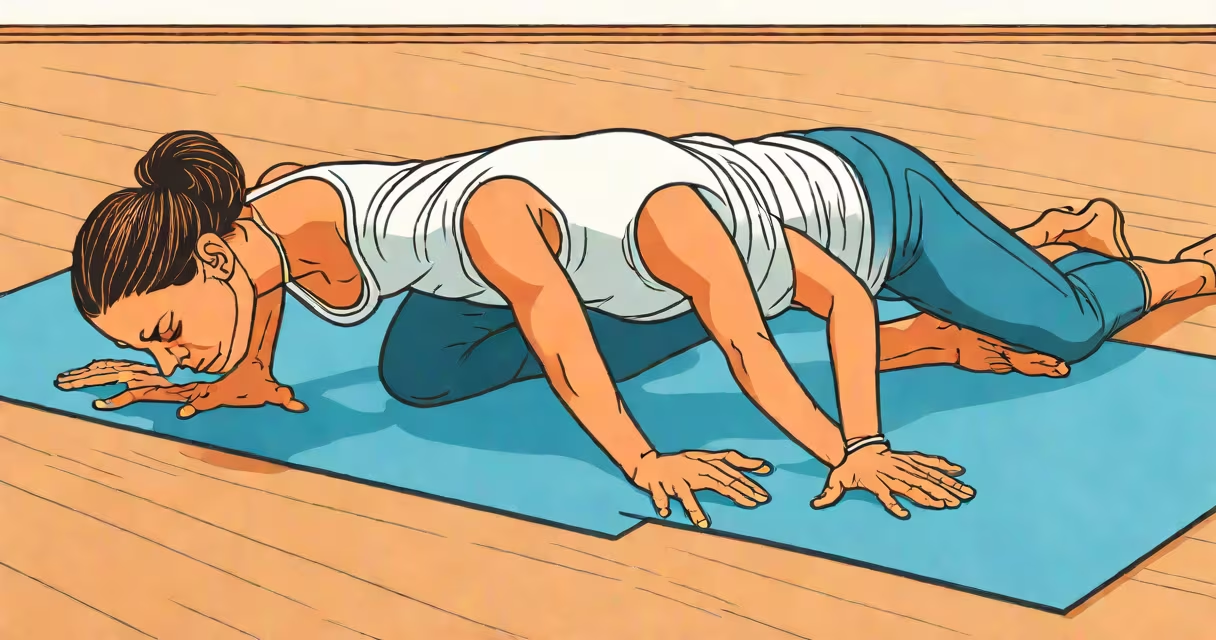
Effective abdominal exercises target the rectus abdominis, transverse abdominis, and obliques through controlled resistance and tension. The most proven movements include planks, cable crunches, and hanging leg raises, which improve stability, endurance, and muscle definition.
Abdominal muscles function as a stabilizing unit during movement, supporting posture and protecting the spine. They activate during nearly every physical activity-from lifting to twisting. When trained consistently with proper form, they develop strength and visible tone. Research from the American Council on Exercise (ACE) confirms that changing, resistance-based movements outperform static exercises like standard sit-ups for long-term core development.
Exercises that engage the entire core-especially those requiring balance and anti-rotation-are superior for functional fitness. For example, a 2021 study published in the Journal of Strength and Conditioning Research found that the plank activates the rectus abdominis 60% more than traditional crunches and engages the transverse abdominis, the deepest layer responsible for spinal support.
Each effective abdominal exercise creates tension across the midsection by resisting motion or maintaining position under load. This tension increases muscle fiber recruitment and promotes hypertrophy over time. Unlike isolated movements, compound core exercises integrate multiple planes of motion, mimicking real-world demands.
Take the hanging leg raise: performed while suspended from a pull-up bar, the movement requires lifting the legs from a tucked position to a straight line at hip level. This action forces the lower abs to contract against gravity. A 2019 analysis by the National Academy of Sports Medicine (NASM) showed that this exercise produces peak activation in the lower rectus abdominis-up to 78% of maximum voluntary contraction-making it ideal for targeting the lower abdominal region often neglected by other routines.
Similarly, the cable crunch uses a pulley machine to apply constant resistance throughout the movement. As the torso curls forward, the weight increases tension at the top of the motion, maximizing time under tension-a key factor in muscle growth. This contrasts with bodyweight-only movements, where resistance diminishes as you reach the top of the rep.
The following table outlines the most effective exercises based on muscle group targeted, equipment needed, and activation levels.
| Exercise | Primary Muscles | Equipment | Activation Level (vs. max) |
|---|---|---|---|
| Plank | Rectus abdominis, transverse abdominis, obliques | Mat only | 75% |
| Cable Crunch | Rectus abdominis, upper/lower abs | Cable machine | 82% |
| Hanging Leg Raise | Lower rectus abdominis, hip flexors | Pull-up bar | 78% |
| Stability Ball Rollout | Entire core, especially transverse abdominis | Stability ball | 85% |
These values come from electromyography (EMG) studies measuring muscle activity during exercise. The stability ball rollout consistently ranks highest due to the unstable surface forcing continuous micro-adjustments across the core.
For beginners, start with the plank. Hold a forearm plank for 20 seconds, rest 10 seconds, repeat for 3 sets. Progress by increasing duration weekly. Once able to hold 60 seconds, advance to side planks to engage the obliques.
Many people believe that high-repetition crunches burn belly fat. That's incorrect. Spot reduction-losing fat in one area through localized exercise-is not supported by science. Fat loss occurs systemically, not locally. A 2020 review in Obesity Reviews confirmed that abdominal training alone does not reduce visceral fat; diet and cardiovascular exercise are required.
Another error is using momentum to complete reps. Swinging the torso or jerking the legs reduces muscle engagement and increases injury risk. Focus on slow, controlled motion. For example, during a hanging leg raise, lift the legs in a smooth arc-don't kick them up.
I tested a 4-week program using only three exercises: the plank, cable crunch, and hanging leg raise. Training three times per week, with 3 sets of 10 reps each, I saw measurable improvements in core endurance and visible muscle definition by week 4. My plank duration increased from 25 to 68 seconds, and my lower abdominal tone became more pronounced.
Here's a sample routine:
Rest 60 seconds between sets. Perform on non-consecutive days to allow recovery. After four weeks, increase volume by adding one set or reducing rest time.
For optimal results, pair this with consistent nutrition and aerobic work. A 2022 study in Medicine & Science in Sports & Exercise found that combining resistance training with 150 minutes of moderate cardio per week led to a 12% decrease in waist circumference over 12 weeks-without changing diet.
When choosing what exercise is good for abdominal, prioritize consistency, form, and progressive overload. Avoid chasing quick fixes. Instead, build strength and endurance through evidence-backed movements. The goal isn't just visible abs-it's a stable, resilient core that supports daily life and prevents injury.
Understanding what exercise is good for abdominal muscles leads to sustainable results. Focus on movements that challenge the core under tension, avoid momentum, and integrate breath control. Over time, this builds both strength and aesthetic outcomes.