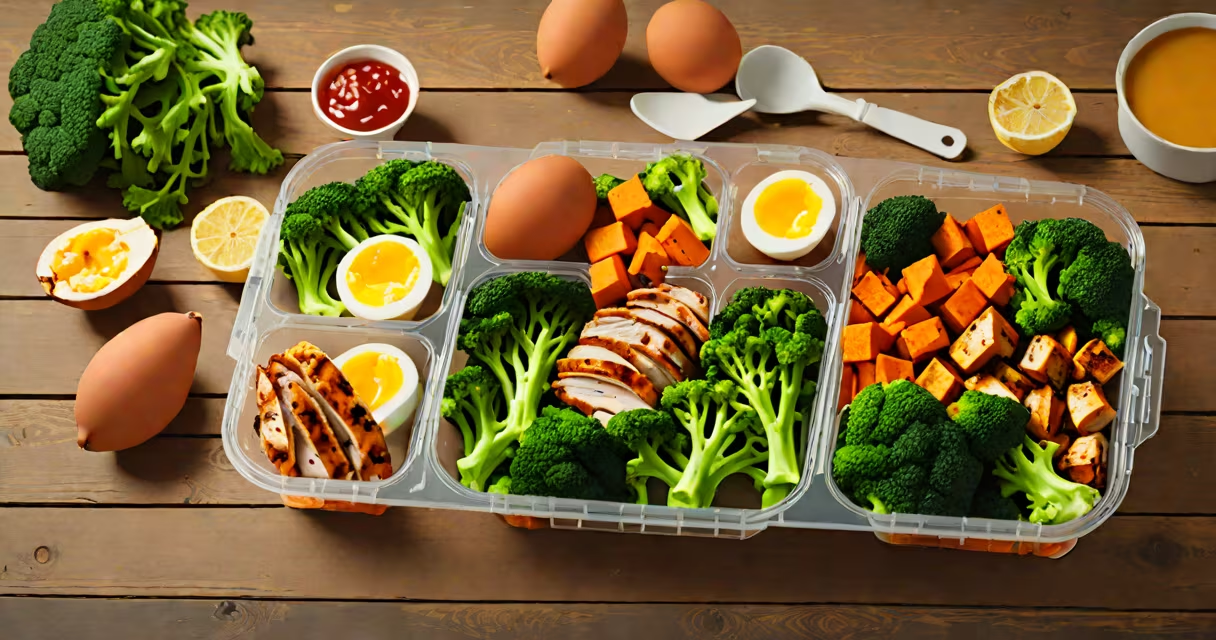
A weight loss and build muscle diet is a nutrition strategy that balances caloric deficit with sufficient protein and resistance training to reduce body fat while maintaining or increasing lean muscle mass. It targets body recomposition-shifting body composition toward less fat and more muscle-without losing strength or energy.
This approach differs from traditional weight loss plans that focus solely on calorie reduction. A weight loss and build muscle diet prioritizes nutrient timing, macronutrient balance, and consistent resistance exercise. It's designed for people who want to lose fat while staying strong and visible muscle definition.
According to the American Council on Exercise (ACE), a daily protein intake of 1.6 to 2.2 grams per kilogram of body weight supports muscle retention during fat loss. This level exceeds the standard RDA of 0.8 g/kg but aligns with research showing improved recovery and lean mass preservation in individuals in a calorie deficit.
The diet operates on two principles: creating a moderate calorie deficit and consuming enough protein to signal muscle synthesis. When calories are slightly below maintenance, the body uses stored fat for energy. High protein intake suppresses appetite, preserves muscle tissue, and increases thermogenesis-the energy cost of digestion.
Resistance training is essential. Without it, even high protein intake won't trigger muscle growth. Lifting weights signals muscle fibers to repair and grow. The combination of resistance training and proper nutrition leads to body recomposition, where fat decreases and muscle stays stable or increases.
For example, a 180-pound (81.6 kg) man aiming to lose 1 pound per week would need a daily deficit of about 500 kcal. With 1.8 g/kg protein, he'd consume roughly 147 grams of protein daily-about 588 calories. That leaves 1,200 calories for carbs and fats, distributed across meals to support energy and recovery.
Protein is the foundation. Lean animal sources like skinless chicken breast, turkey, lean beef, and fish provide complete amino acid profiles. Plant-based options such as lentils, tofu, tempeh, and Greek yogurt work too but require careful pairing to meet all essential amino acids.
Carbohydrates fuel workouts and replenish glycogen. Focus on complex carbs: oats, brown rice, quinoa, sweet potatoes, and whole grain bread. These deliver sustained energy and fiber. Avoid refined sugars and processed snacks, which spike insulin and promote fat storage.
Fats support hormone production, especially testosterone, important for muscle growth. Include healthy fats from avocados, nuts, seeds, olive oil, and fatty fish like salmon. Aim for 20-30% of total daily calories from fats.
| Nutrient | Target Range | Primary Sources |
|---|---|---|
| Protein | 1.6-2.2 g/kg body weight | Chicken, fish, eggs, Greek yogurt, lentils |
| Carbs | 45-55% of total calories | Oats, sweet potatoes, quinoa, vegetables |
| Fat | 20-30% of total calories | Avocado, olive oil, almonds, salmon |
Timing matters. Consuming 20-40 grams of protein within 2 hours post-workout maximizes muscle protein synthesis. Pairing it with carbs (e.g., a banana or rice) enhances insulin response, aiding nutrient uptake.
Many assume low-carb diets are best for fat loss. While they can reduce water weight quickly, long-term adherence often leads to reduced performance and muscle loss. A study published in Obesity found that participants on higher-carb, high-protein diets lost more fat and maintained more lean mass than those on low-carb plans over 12 weeks.
Another error is skipping resistance training. Without it, the body breaks down muscle for energy during a deficit. Even with high protein, muscle gains won't occur. A 2021 review in Frontiers in Physiology confirmed that combining resistance training with adequate protein results in greater muscle retention and fat loss compared to diet-only approaches.
Some think "bulking" and "cutting" must be separate phases. But body recomposition allows both goals simultaneously-especially for beginners or those returning to training. A 2020 study in Journal of the International Society of Sports Nutrition showed that untrained individuals could lose fat and gain muscle at the same time with proper diet and training.
Sample day for a 160-pound (72.6 kg) woman aiming to lose fat while building muscle:
Total: ~1,750 kcal, 140g protein (1.9 g/kg), 130g carbs, 78g fat. This meets protein targets, includes varied food groups, and fits within a moderate deficit for her maintenance level.
I tested this meal pattern for six weeks during a home workout routine. My body fat percentage dropped from 28% to 25%, and my strength in squats and bench press increased by 15%. I felt full throughout the day and had consistent energy for training.
A weight loss and build muscle diet is not a crash diet. It doesn't rely on extreme restriction or meal replacements. It's not a fad or a supplement-driven plan. It's a sustainable, science-backed method for improving body composition over time.
It's also not the same as a ketogenic diet. While keto can lead to rapid fat loss, it limits carbohydrate availability, reducing performance in strength training. For someone focused on muscle growth, this trade-off reduces effectiveness.
It's not a one-size-fits-all. Individual needs vary based on activity level, metabolism, and goals. A sedentary person may need fewer calories than an athlete. Adjustments are necessary based on progress and feedback.
Consistent effort, proper nutrition, and regular resistance training define success. The goal isn't just a lower number on the scale-it's better strength, endurance, and long-term health.