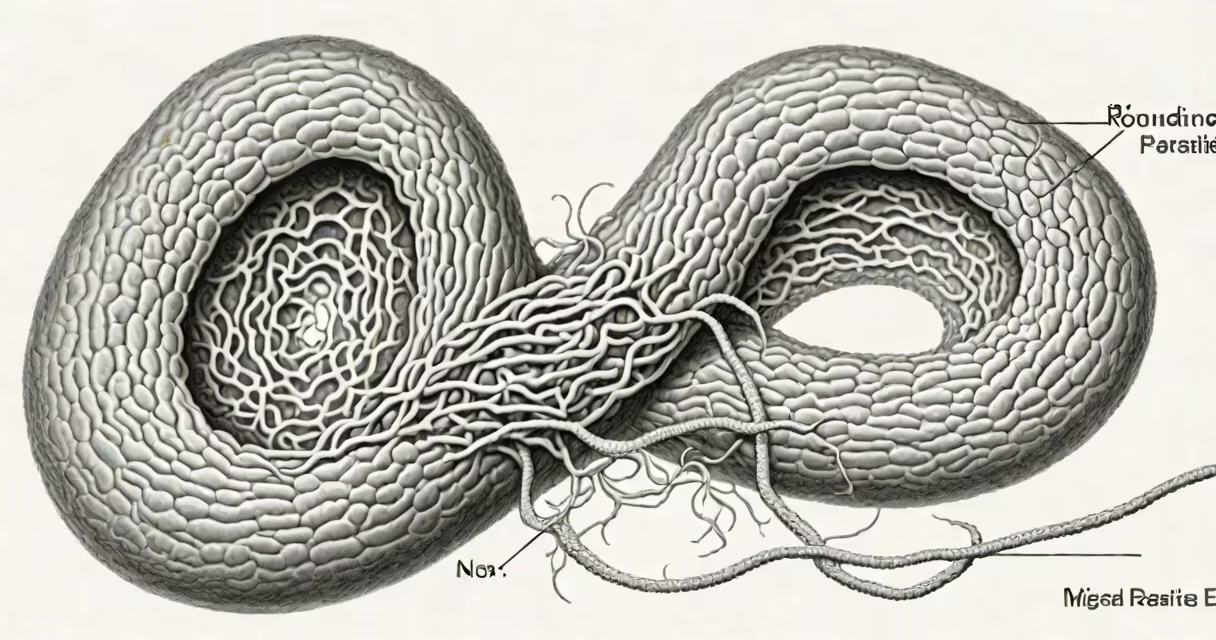
Intestinal parasites are organisms that live inside the human gut, feeding off nutrients and sometimes causing illness. Common symptoms include persistent diarrhea, abdominal pain, bloating, unexplained weight loss, and fatigue. These signs often mimic other gastrointestinal conditions, making accurate diagnosis essential.
Parasites enter the body through contaminated food, water, or contact with infected individuals or animals. Once inside the intestines, they may reproduce and trigger immune responses. The most frequent culprits are protozoa like *Giardia lamblia* and helminths such as roundworms (*Ascaris lumbricoides*) and tapeworms (*Taenia solium*).
Diagnosis requires stool testing or blood work. A single positive result doesn't confirm infection-repeat samples improve accuracy. The Centers for Disease Control and Prevention (CDC) notes that asymptomatic carriers exist, especially in areas with poor sanitation, meaning people can harbor parasites without showing signs.
Parasites disrupt normal gut function by damaging the intestinal lining, altering nutrient absorption, and triggering inflammation. *Giardia*, for example, attaches to the small intestine's surface, interfering with enzyme activity needed to break down fats. This leads to steatorrhea-fatty, foul-smelling stools-and malabsorption.
Some parasites release toxins or provoke allergic reactions. *Strongyloides stercoralis* larvae penetrate the skin and migrate through the bloodstream to the lungs and intestines. During migration, they cause coughing and wheezing-symptoms resembling asthma-before settling in the gut and causing chronic diarrhea.
A 2021 study published in Clinical Infectious Diseases found that patients with *Cryptosporidium* infection reported diarrhea lasting an average of 14 days, with 30% experiencing dehydration requiring IV fluids. This highlights how parasite-related illness can escalate quickly, especially in immunocompromised individuals.
Different parasites produce distinct symptom profiles. Knowing these patterns helps narrow diagnostic possibilities.
| Parasite Type | Common Name | Distinctive Symptoms |
|---|---|---|
| Protozoan | Giardia lamblia | Greasy stools, bloating, gas, nausea, weight loss |
| Nematode (roundworm) | Ascaris lumbricoides | Abdominal pain, vomiting, visible worms in stool, intestinal obstruction |
| Tapeworm | Tapeworms (e.g., Taenia saginata) | Weight loss, mild abdominal discomfort, vitamin B12 deficiency, segments in stool |
| Protozoan | Cryptosporidium parvum | Watery diarrhea, cramps, low-grade fever, prolonged illness in immunocompromised |
*Cryptosporidium* is resistant to chlorine disinfection, which explains outbreaks in swimming pools and municipal water supplies. The CDC reports that between 2013 and 2017, over 1,000 cases were documented in the U.S., many linked to recreational water exposure.
Many intestinal parasite symptoms overlap with irritable bowel syndrome (IBS), celiac disease, and inflammatory bowel disease (IBD). For example, chronic diarrhea and bloating occur in both *Giardia* infection and IBS-but only parasite testing reveals the true cause.
One key difference lies in duration and response to treatment. While IBS symptoms fluctuate without clear triggers, parasite-related diarrhea typically resolves only after antiparasitic medication. A 2019 study in The American Journal of Gastroenterology showed that 68% of patients initially diagnosed with IBS later tested positive for intestinal parasites after targeted screening.
Another common confusion is mistaking parasite-induced fatigue for depression or anxiety. Fatigue from parasitic infection stems from malnutrition and chronic inflammation-not psychological factors. When standard mental health treatments fail, parasitic infection should be ruled out, especially in travelers returning from tropical regions.
In 2020, a 34-year-old woman presented with six weeks of intermittent diarrhea, bloating, and fatigue. She had visited three doctors and was diagnosed with IBS. After failing multiple dietary interventions, she sought care at a travel medicine clinic. Stool analysis revealed *Giardia lamblia* cysts.
She was treated with metronidazole (500 mg twice daily for five days). Within 72 hours, her diarrhea stopped. Her energy returned within a week. Follow-up testing confirmed parasite clearance. This case illustrates how easily intestinal parasite symptoms can be misattributed-especially when healthcare providers don't consider travel history or environmental exposure.
Most people assume that if you feel fine, you're not infected. That's false. Up to 30% of individuals with *Enterobius vermicularis* (pinworm) show no symptoms, yet still shed eggs and spread infection. Children in daycare settings often carry pinworms silently, passing them through contaminated surfaces.
Public health guidelines from the World Health Organization (WHO) emphasize routine screening in endemic areas-even when symptoms are absent. In sub-Saharan Africa, mass deworming programs have reduced school absenteeism by 25% over five years, proving that treating asymptomatic cases improves community health outcomes.
Consult a healthcare provider if diarrhea lasts longer than seven days, blood appears in stool, fever exceeds 101°F (38.3°C), or unexplained weight loss occurs. These red flags suggest infection beyond typical viral gastroenteritis.
If you suspect an intestinal parasite, avoid self-treatment. Over-the-counter remedies may mask symptoms or worsen complications. Accurate diagnosis requires lab testing, not guesswork.
Understanding the symptoms of an intestinal parasite helps prevent unnecessary suffering and reduces transmission risk. Early detection and proper treatment stop cycles of reinfection and protect household members and communities.