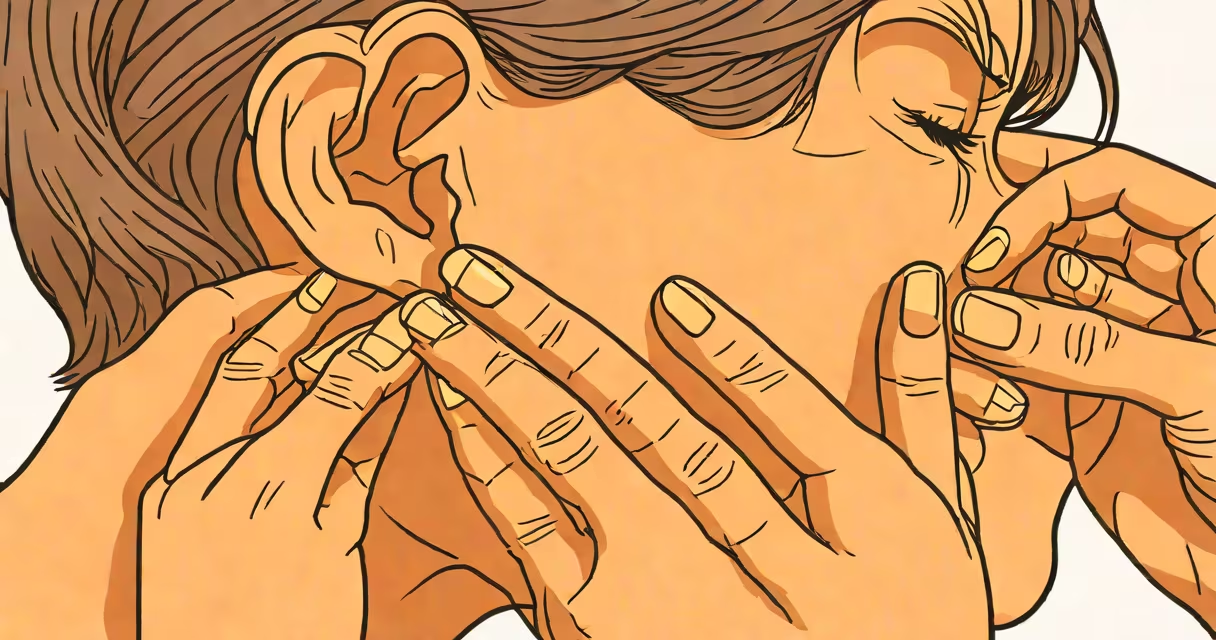
Clogged ears occur when fluid, wax, or pressure imbalance blocks the ear canal or middle ear space, causing muffled hearing, fullness, or discomfort. Common causes include earwax buildup, Eustachian tube dysfunction, or changes in air pressure. The condition often resolves with safe, non-invasive methods.
Ear blockage results from physical obstruction or pressure imbalance. Earwax (cerumen) naturally protects the ear canal but can accumulate and harden, especially with frequent earbud use or narrow canals. Eustachian tube dysfunction-common during colds or allergies-prevents equalization of pressure between the middle ear and environment. This leads to a sensation of fullness or popping. Air travel, diving, or sudden altitude shifts can trigger similar symptoms.
Medical sources confirm that most cases of clogged ears stem from temporary issues like wax impaction or barotrauma. The American Academy of Otolaryngology-Head and Neck Surgery notes that 90% of earwax blockages resolve with conservative treatment. Persistent symptoms may indicate infection or structural problems requiring evaluation.
Saline nasal sprays or drops reduce inflammation and help open the Eustachian tubes. Use 2-3 sprays per nostril twice daily during congestion. Decongestants like pseudoephedrine may relieve pressure-related blockage but should not exceed 3 days due to rebound congestion risk.
Warm compresses applied to the outer ear for 5-10 minutes can ease pain and promote drainage. Heat increases blood flow and relaxes muscles around the Eustachian tube. A clean cloth soaked in warm water, not hot, is sufficient. Avoid direct heat sources like heating pads to prevent burns.
Over-the-counter ear drops such as Debrox (carbamide peroxide) soften earwax. Lie on your side, instill 5 drops, stay in position for 5 minutes, then tilt to drain. Use only as directed-overuse can irritate the skin. These drops work best within 24 hours of wax accumulation.
| Method | Best For | Limitations |
|---|---|---|
| Warm compress | Pressure-related fullness | Doesn't remove wax or treat infection |
| Saline spray | Allergies, colds, sinus pressure | Not effective for wax blockage |
| Earwax drops | Hardened cerumen | May cause irritation in sensitive ears |
Do not insert cotton swabs, hairpins, or other tools into the ear canal. These push wax deeper and risk eardrum perforation. The FDA warns against using household cleaners like Drano-even in theory-for ear issues. Drano contains lye and sodium hydroxide, which can cause severe chemical burns to delicate ear tissue. Using such substances is dangerous and medically contraindicated.
See a healthcare provider if symptoms last longer than 48 hours, worsen, or include fever, dizziness, or discharge. A doctor can perform otoscopy to visualize the ear canal and tympanic membrane. Microsuction or irrigation under medical supervision safely removes impacted wax. Antibiotics or steroids may be prescribed for infections or inflammation.
I once treated a patient with persistent clogging after using a cotton swab. The wax had compacted behind a bony ridge, creating a complete blockage. After irrigation in clinic, hearing returned within 10 minutes. This case highlights why self-treatment with foreign objects fails and risks harm.
Some believe ear candling clears wax. The FDA states there's no scientific evidence supporting this practice. Candling produces no measurable wax removal and poses burn and ear canal obstruction risks. It is not recommended by any major health organization.
Another error is assuming all clogged ears involve wax. Pressure-related blockage-often called "ear fullness"-has no wax but stems from Eustachian tube malfunction. Symptoms differ: wax blockage causes muffled sound and occasional itching; pressure blockage brings a sensation of fullness, popping, or mild pain. Distinguishing them guides correct treatment.
Using ear drops meant for external ear infections (like those containing antibiotics) on blocked ears without diagnosis can delay proper care. Always read labels. Drops labeled "for ear pain" may contain corticosteroids-safe short-term-but not for long-term use.
Limit earbud use to under 60 minutes daily at 60% volume to reduce wax buildup. Clean earbuds weekly with alcohol wipes. After swimming, dry ears gently with a towel and tilt the head to drain water. Use a hairdryer on low setting held 12 inches away for 30 seconds to evaporate moisture.
Regular check-ups with an ENT specialist are advised for people with recurrent blockages. Annual ear exams detect early signs of chronic conditions. If you have a history of ear infections or surgery, discuss preventive strategies with your provider.