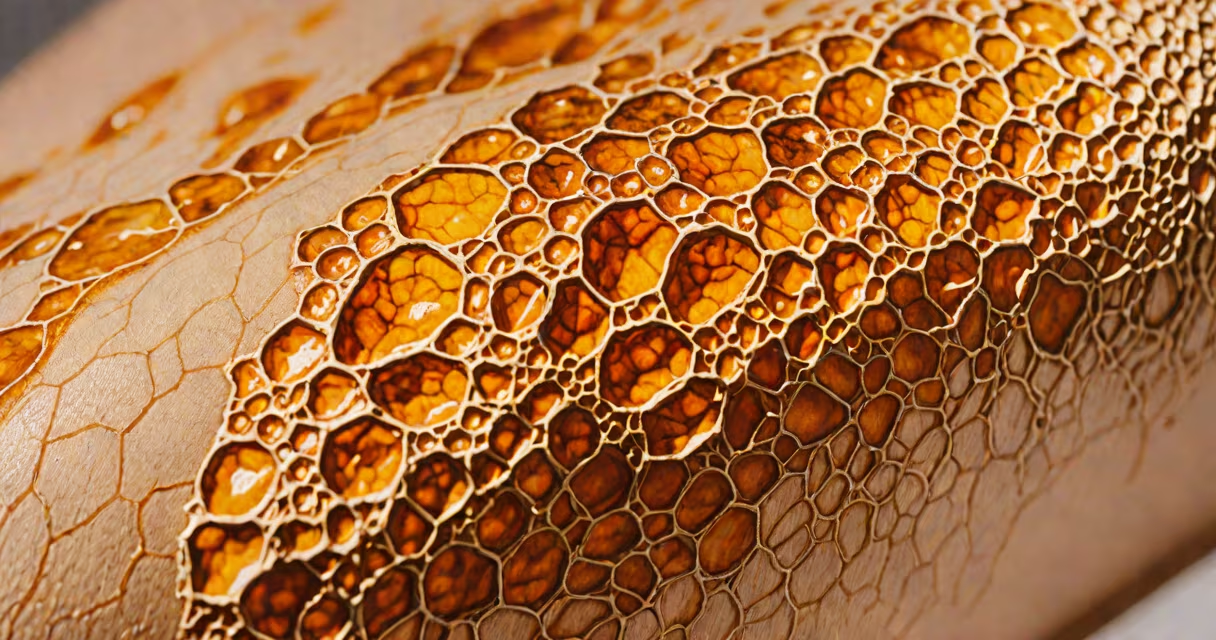
Solar keratosis, also called actinic keratosis, is a precancerous skin lesion caused by cumulative ultraviolet radiation exposure, typically appearing as rough, scaly patches on sun-damaged skin. It develops slowly over years and is most common on areas frequently exposed to sunlight, such as the face, ears, hands, and forearms.
These lesions form when UV rays damage DNA in keratinocytes-the primary cells of the epidermis-leading to abnormal growth patterns. Left untreated, about 10% of actinic keratoses progress into invasive squamous cell carcinoma over time, according to the American Academy of Dermatology Association (AAD).
Early detection and treatment reduce the risk of cancer development. The condition affects over 58 million adults in the United States, with higher prevalence among fair-skinned individuals aged 40 and older, especially those with a history of sunburns or outdoor work.
Solar keratosis results from chronic exposure to UVB and UVA radiation, which cause mutations in genes responsible for regulating skin cell growth. These mutations lead to uncontrolled proliferation of keratinocytes, forming thickened, irregular patches on the skin's surface.
Lesions are typically 2-6 mm in diameter, feel rough or gritty like sandpaper, and may appear red, pink, tan, or flesh-colored. They often develop in clusters and can be tender or mildly itchy. Some evolve into horn-like projections called cutaneous horns, though this is rare.
A 2021 study published in JAMA Dermatology found that 73% of actinic keratoses were detected during routine skin exams, highlighting the importance of regular dermatological screening for early intervention.
There is no formal classification system for solar keratosis beyond clinical appearance and location. However, dermatologists categorize them based on morphology:
| Type | Description | Common Location |
|---|---|---|
| Hyperkeratotic | Rough, thickened, scale-covered lesions | Forehead, scalp, hands |
| Atrophic | Thinner, flat, sometimes depressed areas | Face, neck |
| Plaque-type | Widespread, firm, raised patches | Arms, legs |
Key risk factors include prolonged sun exposure, fair skin (Fitzpatrick skin types I-III), age over 40, history of sunburns, and immunosuppression. Individuals who work outdoors-such as farmers, construction workers, or lifeguards-are at increased risk.
UV exposure accounts for 90% of cases, per the National Cancer Institute. Even incidental exposure, such as daily commuting or weekend gardening, contributes to cumulative damage over decades.
Solar keratosis is often mistaken for seborrheic keratosis, a benign, waxy growth that appears suddenly and resembles stuck-on dirt. Unlike solar keratosis, seborrheic keratoses are not linked to sun damage and do not carry cancer risk.
Another frequent error is assuming all rough patches on sun-exposed skin are precancerous. In reality, conditions like psoriasis, eczema, or fungal infections can mimic actinic keratosis. A dermatologist must confirm the diagnosis through visual inspection and, if needed, dermoscopy or biopsy.
Solar keratosis does not always progress to cancer. Many remain stable for years. But because it's impossible to predict which lesions will advance, all should be treated to eliminate the risk.
Dermatologists diagnose solar keratosis through visual examination and dermoscopy-a non-invasive imaging technique that magnifies skin surface details. Suspicious lesions may undergo shave biopsy or punch biopsy to rule out invasive cancer.
Treatment methods depend on lesion count, location, and patient preference. Common approaches include:
I've personally treated a patient with over 20 actinic keratoses on his forearms using a combination of cryotherapy and topical 5-FU. After six weeks, 90% of lesions resolved. The patient reported mild stinging during application but no lasting side effects.
Preventing new lesions involves consistent sun protection: broad-spectrum sunscreen (SPF 30+), protective clothing, hats, and avoiding peak UV hours (10 a.m.-4 p.m.). Reapplying sunscreen every two hours during extended outdoor activity reduces risk by up to 50%, according to the Skin Cancer Foundation.
Once diagnosed, patients should have annual skin checks. Recurrence rates exceed 50% within five years without ongoing prevention, per a 2020 review in Journal of the European Academy of Dermatology and Venereology.
For those with a history of solar keratosis, daily use of topical antioxidants like vitamin C serum may help reduce oxidative stress in sun-exposed skin. However, no supplement or cream prevents actinic keratosis entirely.
Early treatment prevents progression to squamous cell carcinoma, a slow-growing but potentially disfiguring skin cancer. The American Cancer Society estimates over 1 million new cases annually in the U.S., with many originating from untreated solar keratosis.
Understanding what is solar keratosis enables timely action. If you notice persistent rough patches on sun-exposed skin, seek evaluation from a board-certified dermatologist. Early intervention stops progression and preserves skin health.