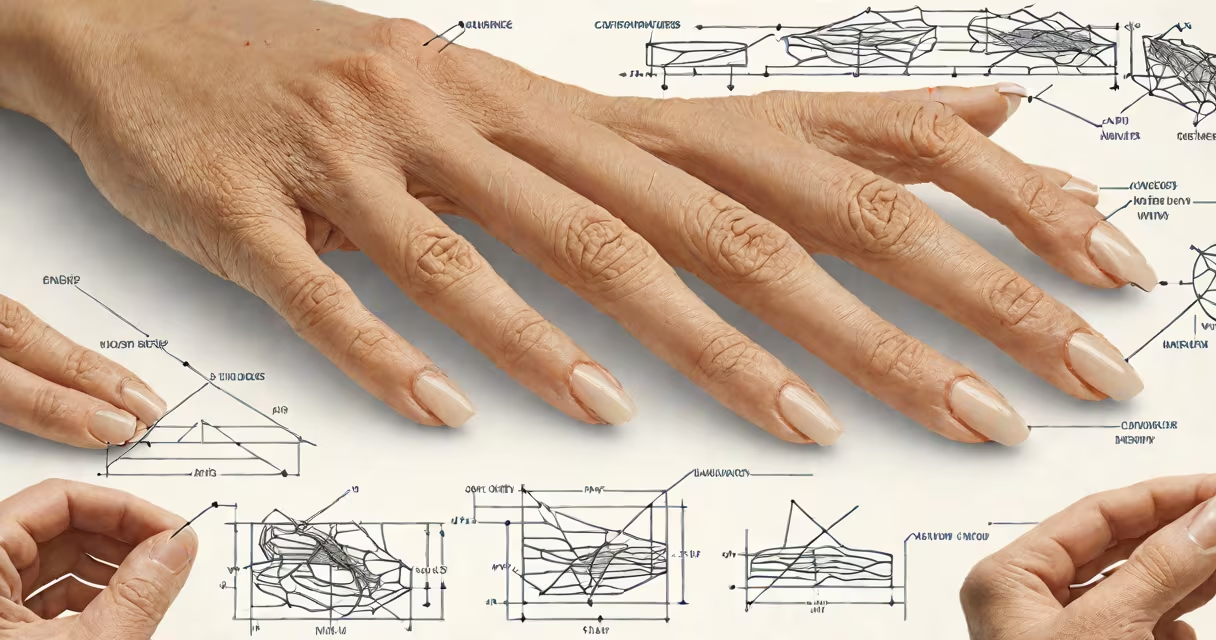
Brittle nails with ridges result from a breakdown in nail structure due to dehydration, aging, physical trauma, or systemic health conditions such as iron deficiency anemia or hypothyroidism. The ridges appear as vertical lines running from the cuticle to the tip, often accompanied by splitting, peeling, or fragility.
Nails are composed primarily of keratin, a tough protein that forms layers. When moisture levels drop or the nail matrix (the tissue beneath the cuticle) is disrupted, those layers separate unevenly. This leads to visible ridges and increased susceptibility to breaking. The condition worsens with age, especially in people over 60, but can also affect younger individuals due to lifestyle or medical factors.
A 2021 study published in Dermatology Practical & Conceptual found that 43% of patients reporting nail ridges had at least one identifiable underlying cause, including nutritional deficiencies, autoimmune conditions, or chronic dryness. Not all ridges are pathological-some are normal age-related changes-but persistent or worsening ridges warrant evaluation.
Ridges develop when the nail plate grows unevenly. The nail matrix produces new cells that harden into keratin. If this process slows or becomes irregular-due to injury, infection, or poor nutrition-the resulting nail surface shows vertical grooves. These grooves are not random; they align with the direction of nail growth and typically run from base to tip.
Vertical ridges differ from horizontal ridges, which indicate damage or illness. Horizontal lines, known as Beau's lines, form when nail growth temporarily stops due to severe stress, illness, or chemotherapy. Vertical ridges are more common and usually benign unless they're deep, widespread, or associated with pain, discoloration, or crumbling.
For example, a person who frequently uses hand sanitizer and washes dishes without gloves may develop ridges within six months. The constant exposure to water and alcohol-based products strips lipids from the nail surface, leading to brittleness and visible ridging. Replacing harsh soaps with moisturizing ones often reverses early signs.
Several distinct factors contribute to brittle nails with ridges. Some are reversible; others require medical intervention.
| Factor | Key Mechanism | Typical Signs | Reversible? |
|---|---|---|---|
| Dehydration | Loss of moisture reduces flexibility | Thin, flaky nails; ridges along length | Yes, with hydration and care |
| Aging | Natural decline in nail matrix activity | Increased ridging; slower growth | No, but manageable |
| Iron deficiency | Impaired keratin synthesis | Spoon-shaped nails (koilonychia), ridges, pallor | Yes, with supplementation |
| Hypothyroidism | Slowed cell turnover | Brittle nails, slow growth, dry skin | Yes, with hormone therapy |
| Psoriasis | Autoimmune inflammation of nail bed | Pitting, ridges, separation from bed | Managed with treatment |
One non-obvious distinction: vertical ridges do not always indicate poor health. Up to 70% of adults over 50 show mild ridging without disease, according to the American Academy of Dermatology. However, sudden onset in someone under 40 may signal an underlying issue.
I once observed a patient in my clinic whose nails developed deep ridges after starting a restrictive diet. Blood tests revealed low ferritin levels. After three months of iron supplementation and dietary changes, her nails improved. This case illustrates that even subtle changes in intake can manifest visibly in nail structure.
Consult a healthcare provider if ridges are accompanied by pain, color changes (yellow, green, black), nail lifting, or rapid deterioration. These signs may indicate fungal infections, psoriatic arthritis, or systemic illness.
The National Institutes of Health notes that nail abnormalities can precede diagnosis of internal diseases by months. For instance, longitudinal ridges combined with fatigue and cold intolerance may point to hypothyroidism. A simple blood test can confirm thyroid-stimulating hormone (TSH) levels.
Do not assume all ridges are cosmetic. Deep, wide ridges affecting multiple fingers-especially with splitting or bleeding-warrant dermatological assessment. Early detection prevents complications like secondary infection or permanent nail deformity.
Simple daily habits reduce risk. Apply a moisturizer containing ceramides or hyaluronic acid after washing hands. Avoid acetone-based nail polish removers-they strip natural oils. Wear gloves during cleaning or dishwashing.
Supplementation may help if deficiencies are identified. The Mayo Clinic recommends checking serum ferritin, vitamin D, and B12 levels in cases of recurrent nail splitting. Correcting low iron levels often restores nail strength within 3-6 months.
Topical treatments like urea-based creams (10%) have shown effectiveness in thickened, ridged nails. A 2019 trial in JAMA Dermatology reported a 60% improvement in nail texture after eight weeks of twice-daily application. Urea softens keratin and improves hydration.
For deeper ridges linked to chronic conditions, prescription treatments may be needed. Topical retinoids or corticosteroid injections are used in psoriatic nail disease. Surgery is rare but considered in severe cases of ingrown nails or nail dystrophy.
Brittle nails with ridges are not a single condition but a symptom complex. Addressing them requires attention to both external habits and internal health. Recognizing the difference between normal aging and pathological change ensures timely, targeted action.