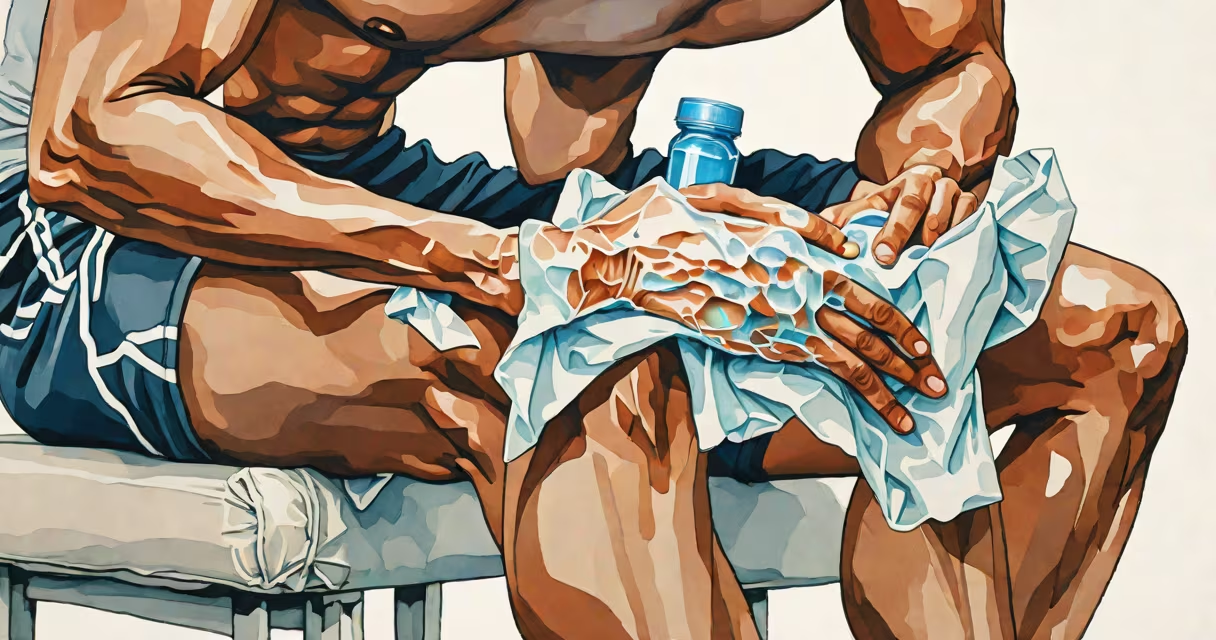
Sore muscles result from microscopic damage to muscle fibers during exercise, triggering inflammation and delayed onset muscle soreness (DOMS), typically peaking 24-72 hours post-workout. Common treatments include nonsteroidal anti-inflammatory drugs (NSAIDs), cold therapy, rest, and targeted nutrition.
DOMS occurs when unaccustomed or intense activity strains muscle tissue beyond normal capacity. The body responds with localized swelling, fluid buildup, and nerve sensitivity, causing stiffness and discomfort. This process is not due to lactic acid accumulation-as previously believed-but stems from structural microtears and inflammatory signaling.
According to the American Council on Exercise (ACE), DOMS affects nearly 70% of individuals who begin new exercise regimens. The soreness usually resolves within five days without medical intervention. However, symptom management improves recovery speed and comfort during adaptation phases.
Effective relief targets inflammation, pain signaling, and tissue repair. NSAIDs such as ibuprofen reduce prostaglandin production, lowering swelling and pain perception. Cold therapy constricts blood vessels, limiting fluid leakage into tissues and numbing nerve endings temporarily.
Nutritional support accelerates healing. Protein intake around 20-30 grams post-exercise increases muscle protein synthesis. Omega-3 fatty acids from fish oil suppress pro-inflammatory cytokines. A 2021 study in the Journal of the International Society of Sports Nutrition found participants taking 3 grams of EPA/DHA daily reported 23% less soreness after resistance training compared to placebo.
Rest remains foundational. The body repairs damaged fibers during low-stress periods. Overtraining without recovery leads to performance plateaus and injury risk. ACE recommends 48 hours between intense sessions targeting the same muscle group.
Several approaches exist, varying in evidence strength and practicality. The following table summarizes key methods based on clinical research and expert consensus.
| Treatment | Effectiveness Level | Key Mechanism | Source |
|---|---|---|---|
| Ibuprofen (600 mg) | High | Reduces COX enzymes, lowers prostaglandins | ACE Fitness |
| Cold packs (15 min) | Medium-High | Decreases local blood flow, reduces edema | PubMed Central |
| Protein intake (25g) | High | Stimulates mTOR pathway, aids fiber rebuilding | Journal of the International Society of Sports Nutrition |
| Omega-3 supplementation (3g/day) | Medium | Modulates immune response, reduces TNF-alpha | JISSN |
| Active recovery (light walking) | Low-Medium | Enhances circulation, clears metabolic waste | JISSN |
NSAIDs provide rapid pain relief but may interfere with long-term muscle adaptation. A 2019 review in Medicine & Science in Sports & Exercise noted that frequent NSAID use reduced satellite cell activation, potentially slowing hypertrophy gains. Use sparingly-no more than 3 days consecutively unless directed by a physician.
Many assume soreness equals progress. While mild soreness signals adaptation, persistent or severe pain indicates overuse or injury. True muscle growth occurs through controlled stress, not constant discomfort. Pain should not exceed a 4/10 on the visual analog scale during recovery.
Another misconception is that stretching prevents soreness. Research shows static stretching before or after exercise offers minimal DOMS reduction. A 2020 meta-analysis in British Journal of Sports Medicine concluded that stretching had no significant effect on soreness levels compared to control groups.
Contrary to popular belief, massage doesn't "flush out lactic acid." Lactate clears within 20 minutes post-exercise. Massage may improve circulation and reduce perceived tension, but its effects are short-lived and not consistently measurable in double-blind trials.
After a 90-minute strength session involving squats, deadlifts, and pull-ups, a 32-year-old recreational lifter experienced moderate soreness in quads and hamstrings. He applied ice to his thighs for 15 minutes immediately post-workout, then consumed a meal with 30 grams of whey protein and 40 grams of carbohydrates.
Over the next 48 hours, he took 600 mg of ibuprofen twice daily, limited high-intensity movement, and walked 10 minutes every two hours to promote blood flow. By day four, soreness dropped from 7/10 to 2/10. He resumed training with lighter volume on day five.
This protocol aligns with recommendations from the National Academy of Sports Medicine (NASM), which emphasizes early cold therapy, adequate nutrition, and gradual reintroduction of load.
If soreness lasts longer than seven days, worsens over time, or includes swelling, numbness, or weakness, consult a healthcare provider. These signs may indicate rhabdomyolysis-a rare but serious condition where muscle breakdown releases toxins into the bloodstream. Symptoms include dark urine and extreme fatigue.
For chronic soreness unrelated to training, consider underlying conditions such as fibromyalgia or thyroid dysfunction. A 2022 study in Frontiers in Neurology linked persistent myalgia to disrupted mitochondrial function in skeletal muscle cells.
Recovery is not passive. What you take for sore muscles should reflect your goals: pain relief, faster return to activity, or long-term resilience. Prioritize sleep, hydration, and balanced nutrition over quick fixes.
Understanding what do you take for sore muscles begins with recognizing that soreness is part of adaptation-not a barrier. Effective strategies combine pharmacological, physical, and nutritional tools. Avoid relying solely on supplements or painkillers. Focus on consistent, evidence-based routines that support sustainable fitness.