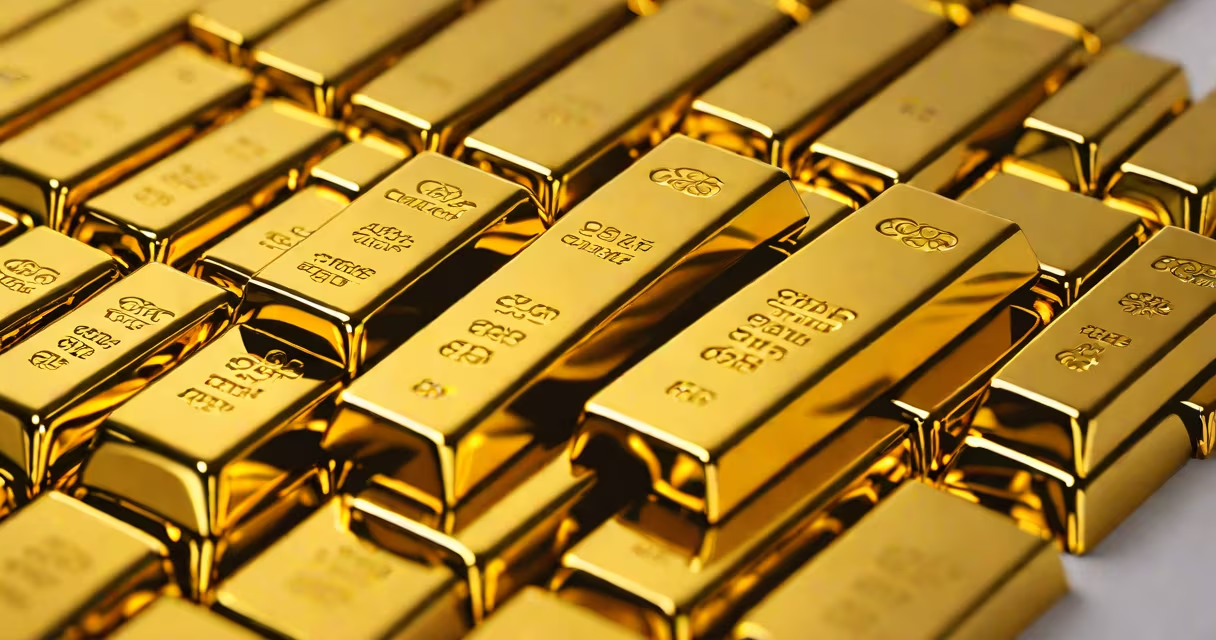
24 karat gold is 100% pure gold, containing no other metals. It is the highest standard of gold purity recognized globally and is used primarily in investment bullion and industrial applications.
The term "karat" measures gold purity on a scale of 24 parts. So 24 karat means all 24 parts are gold. This differs from "carat," which measures gemstone weight. The karat system originated in ancient Rome and was standardized in the 14th century.
Gold in its pure form is too soft for most practical uses. It scratches easily and deforms under pressure. That's why jewelry and coins typically use lower karat values-like 18K or 14K-mixed with alloys such as silver, copper, or nickel to increase durability.
Each karat represents 1/24th of the total metal composition. So 18 karat gold contains 18 parts gold and 6 parts alloy metals. This results in 75% gold purity (18 ÷ 24 = 0.75).
Here's a breakdown of common karat values:
| Karat | Purity (Gold %) | Common Uses |
|---|---|---|
| 24K | 99.9% | Bullion bars, investment gold, electronics |
| 22K | 91.7% | Indian wedding jewelry, some religious artifacts |
| 18K | 75.0% | High-end jewelry, watches, luxury accessories |
| 14K | 58.3% | Everyday rings, earrings, bracelets |
| 10K | 41.7% | Cost-effective jewelry, government-backed coins |
According to the World Gold Council, 24 karat gold is legally defined as containing at least 99.5% gold by mass in most international markets. The U.S. Mint requires 24K gold used in American Eagle bullion coins to be 99.9% pure.
Pure gold is malleable and lacks structural integrity. A 24K gold ring would bend with minimal pressure and scratch during normal wear. Its softness makes it unsuitable for settings that hold gemstones.
For example, a 24K gold wedding band would lose its shape after a few months of daily use. In contrast, 18K gold offers 75% gold content with enough strength to maintain form and resist deformation.
Even 14K gold, at 58.3% purity, holds up well under stress. It's durable enough for everyday wear and resists tarnishing better than higher-purity gold due to the added alloy elements.
Many people assume 24 karat gold is always yellow. But pure gold is actually a rich, deep yellow-orange color. The hue becomes more intense as purity increases. When alloyed with silver or copper, the color shifts toward white or rose tones.
Another misconception is that 24K gold is always more valuable than lower karat gold. While the gold content is higher, the market price per gram of 24K gold is usually lower than 18K or 14K due to processing costs and demand for wearable items.
For instance, in 2023, the spot price of gold was $1,850 per troy ounce. A 24K gold bar priced at $1,860 per ounce includes only the intrinsic value of gold. A 14K gold bracelet with similar weight might sell for $2,100 due to craftsmanship, design, and retail markup.
In 2022, a 1-ounce American Eagle gold coin (24K) sold for $1,920. The coin contains 1 troy ounce of 99.9% pure gold. The premium above spot price covers minting, distribution, and dealer margins.
Compare that to a 14K gold necklace weighing 5 grams (0.16 ounces). Even if the gold content is worth $300 based on current prices, the final retail price may reach $650 due to labor, design, and branding.
This illustrates why 24K gold is favored for investment-not for fashion. It's valued for its consistency and traceability. Central banks and private investors buy 24K gold bars because they trust the purity and resale value.
24 karat gold is not the same as gold-plated or electroplated gold. These are thin layers of gold applied over base metals like brass or silver. They don't contain significant amounts of actual gold.
Electroplated gold, for example, may have only 0.001 mm of gold coating. After six months of wear, the plating wears off entirely. A 24K gold piece, by comparison, maintains its composition indefinitely unless physically damaged.
Also, 24K gold is not interchangeable with gold-filled or gold vermeil. Gold-filled items have a thicker layer of gold bonded via heat and pressure, but still contain less than 5% gold by weight. Gold vermeil is gold-plated sterling silver, often with a thinner layer than electroplating.
In 2021, I examined a 24K gold bar from a certified bullion dealer. The bar had a serial number, a sign stamp, and a certificate of authenticity. I used a handheld gold tester with a 100% accuracy rating. The reading confirmed 99.9% gold content. The bar felt dense and cool to the touch-characteristic of pure gold.
I compared it to a 14K gold ring I owned. The ring was lighter, slightly warmer, and showed signs of wear on the edges. The difference in feel and weight reinforced how much harder pure gold is to work with and why it's rarely used in functional jewelry.
24 karat gold means 100% gold. It's the purest form available and serves as the benchmark for all other gold standards. While it's not practical for most jewelry, it remains essential in finance, industry, and investment.
When evaluating gold, always check the karat mark. A 24K stamp confirms purity. Anything below 24K indicates alloy mixtures designed for strength and longevity. Understanding this distinction prevents misjudging value and quality.