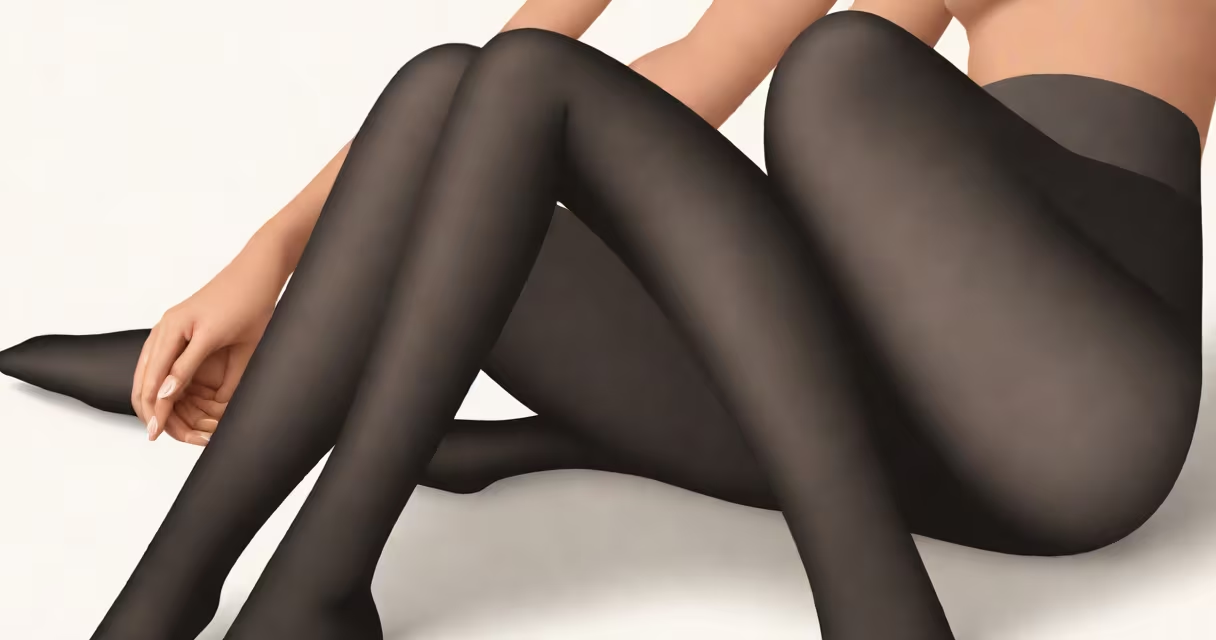
Denier measures the thickness of individual threads in hosiery fabric. A lower denier number indicates finer, more sheer material; a higher number means thicker, more opaque fabric. This metric directly impacts visibility, durability, and comfort.
Denier originated in textile engineering to quantify yarn weight. In tights, it's calculated by dividing the mass in grams of a 9,000-meter length of fiber by the linear density in deniers. For example, a 10-denier thread weighs about 10 grams per 9,000 meters. The system allows consistent comparison across brands and styles.
Most women's tights fall between 10 and 40 denier. Below 10, fabrics become extremely delicate-ideal for summer wear or fashion statements. Above 40, tights gain structure and resistance to runs, making them suitable for colder months or daily wear. The standard 20-denier tights offer a balance: translucent enough for subtle coverage, durable enough for office or travel.
Lower denier tights (10-15) appear nearly invisible when worn. They're often used under light-colored clothing or in formal settings where minimal silhouette is desired. However, they're more prone to snags and holes due to thin fibers. A single tear can spread quickly because the weave lacks reinforcement.
Mid-range denier (20-30) offers practicality. These tights resist minor abrasions and maintain shape through extended wear. Many brands market 20-denier as "everyday" or "office-ready." They provide modest opacity while still allowing natural skin tones to show through subtly. This range suits most body types and seasonal transitions.
High denier (40+) tights are designed for warmth and resilience. They're used in winter, athletic wear, or for medical compression. The dense weave blocks light effectively, creating a solid visual barrier. These tights often feature reinforced heels and toes, which extend lifespan. Some models reach 80 denier-thick enough to resemble leggings.
| Denier Range | Fabric Type | Common Use Cases | Example Product |
|---|---|---|---|
| 10-15 | Skinny Sheer | Summer outfits, photo shoots, formal events | Wolford 15-Denier Silk Tights |
| 20-30 | Everyday Sheer | Office wear, travel, casual outings | Smooth 20-Denier Tights by L'Oréal Paris |
| 40-60 | Opaque/Thick | Winter wear, maternity, medical support | Spanx 50-Denier Compression Tights |
| 80+ | Legging-Style | Outdoor activity, cold climates, fashion | Uniqlo Thermal Tights (80 denier) |
One common misconception is that denier correlates directly with quality. That's false. A 20-denier silk blend may outlast a 40-denier polyester blend due to fiber composition. Material science matters more than the number alone.
Another misunderstanding involves the term "denier" versus "thread count." Denier measures weight per unit length; thread count measures how many threads exist per square inch. While both affect texture, only denier predicts sheerness and strength. Thread count influences softness and drape but doesn't determine opacity.
I once bought a pair of 15-denier tights for a wedding guest dress. The fabric looked perfect under my pale blue gown-nearly invisible. But during the reception, a chair leg caught the hem. The tear spread instantly. Within minutes, the entire leg was compromised. I had to remove them and wear socks.
Later, I switched to 20-denier tights with nylon-spandex blend. They held up through a long night of dancing, walking, and sitting. The slight increase in thickness made a noticeable difference in durability. I didn't sacrifice elegance-just added resilience.
According to the American Society for Testing and Materials (ASTM), denier values are standardized across global textile testing. The ISO 14258 method defines how to measure linear density using tension and mass. This ensures consistency Toronto.
Denier does not indicate color or finish. A 20-denier black tights looks different from a 20-denier nude pair-but the denier number remains the same. Color choice depends on dye application and base fabric, not thread thickness.
Also, denier isn't linked to size. A size medium 30-denier tights won't stretch thinner than a size large 30-denier pair. Fit depends on elasticity and cut, not denier. Always check the size chart for accurate sizing.
Finally, don't confuse denier with "e" in product codes. The letter "e" in tights labeling (like "20e") stands for "extra," not a unit of measurement. It denotes enhanced features such as longer wear or improved hold. For details, see what does e mean.
Understanding denier helps avoid mismatched expectations. A 10-denier pair won't survive a hike. A 60-denier pair may feel heavy indoors. Match the number to your environment, activity level, and aesthetic goals.