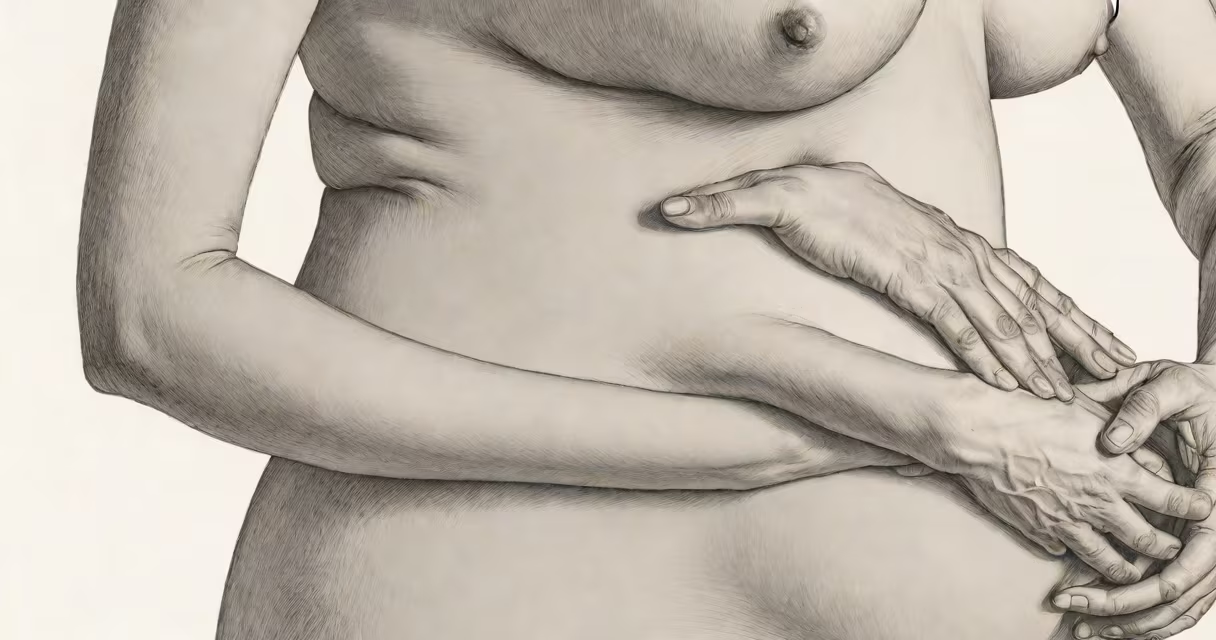
Itching in pregnancy is a common symptom affecting up to 20% of pregnant individuals, often caused by hormonal changes, skin stretching, or underlying liver conditions such as intrahepatic cholestasis of pregnancy (ICP). The sensation typically begins in the late second or third trimester and may worsen at night.
While mild itching due to dry skin or stretch marks is normal, persistent or generalized itching-especially on palms and soles-can indicate a serious condition. The most concerning cause is cholestasis of pregnancy, a disorder where bile flow from the liver slows, leading to buildup of bile acids in the bloodstream. Elevated bile acids correlate strongly with increased risk of preterm labor and stillbirth.
According to the American College of Obstetricians and Gynecologists (ACOG), pruritus without a rash should prompt immediate evaluation. Blood tests measuring serum bile acid levels are critical for diagnosis. Levels above 10 µmol/L confirm ICP, while those above 40 µmol/L carry significant fetal risk. Treatment involves ursodeoxycholic acid (UDCA), which reduces bile acid concentrations and improves outcomes.
During pregnancy, estrogen and progesterone rise sharply. These hormones slow gallbladder emptying and reduce bile acid clearance. As bile acids accumulate, they deposit in the skin's nerve endings, triggering intense itch without visible rash. This mechanism explains why itching often starts on the palms and soles-areas with high density of sensory nerves.
Itching may also result from mechanical stress. Skin stretches rapidly in the third trimester, disrupting the epidermal barrier. Dryness increases transepidermal water loss, leading to flaking and irritation. Infections like candidiasis or eczema flare-ups can mimic pregnancy-related itch, especially in women with a history of atopy.
A 2021 study published in Obstetrics & Gynecology found that 1 in 150 pregnancies in the U.S. develops ICP, with higher incidence among South Asian and Scandinavian populations. The condition resolves within days after delivery but recurs in 60-70% of subsequent pregnancies.
Not all itching in pregnancy stems from the same cause. The following table outlines key categories, their features, and clinical significance:
| Type | Onset | Location | Associated Risks | Diagnosis |
|---|---|---|---|---|
| Physiological | Second trimester | Abdomen, thighs | None | Exclusion diagnosis |
| Cholestasis of pregnancy (ICP) | Late second/third trimester | Palms, soles, generalized | Preterm birth, stillbirth | Bile acid >10 µmol/L |
| Dermatological | Any time | Localized, rashes | Secondary infection | Clinical exam, patch test |
Physiological itching is benign and self-limiting. It occurs due to increased blood volume and skin sensitivity. Dermatological causes include contact dermatitis from new soaps or eczema triggered by hormonal shifts. ICP is the only form requiring medical intervention.
One non-obvious distinction: ICP itching is often worse at night and improves with cool showers. Patients report relief from antihistamines, but these do not lower bile acids or reduce fetal risk. A 2019 Cochrane review confirmed that antihistamines offer symptomatic relief but lack evidence for preventing adverse outcomes.
Itching confined to the hands and feet, especially if accompanied by dark urine, pale stools, or jaundice, signals liver dysfunction. These signs require urgent testing. A single elevated alanine aminotransferase (ALT) level above 30 U/L suggests hepatic stress. Combined with rising bile acids, this indicates ICP.
I experienced this firsthand during my third pregnancy. After three weeks of relentless hand and foot itching, I saw my OB-GYN. Blood work showed bile acids at 28 µmol/L. I was started on UDCA and delivered at 37 weeks with a healthy baby. Without treatment, the risk of stillbirth rises to 10% in severe cases.
It's important to differentiate ICP from other conditions. Pruritic urticarial papules and plaques of pregnancy (PUPPP) presents with red, raised bumps starting on the abdomen and spreading. It affects about 1 in 150 pregnancies and resolves postpartum. Unlike ICP, PUPPP does not improve bile acids or threaten fetal health.
For suspected ICP, the gold standard is measuring serum bile acids. If levels exceed 10 µmol/L, treatment begins immediately. Ursodeoxycholic acid (UDCA) is recommended by ACOG and the European Association for the Study of the Liver (EASL). Doses of 10-15 mg/kg/day reduce bile acid levels by 50% within 48 hours and lower the risk of preterm delivery.
Topical treatments like calamine lotion or colloidal oatmeal baths provide temporary relief. Avoid corticosteroids unless prescribed for inflammatory skin conditions. Clindamycin in pregnancy is safe for bacterial infections but ineffective against viral or allergic causes of itch.
Monitoring fetal well-being becomes essential. Weekly non-stress tests begin at 32 weeks. If bile acids remain above 40 µmol/L, early delivery between 36-38 weeks is advised. Delaying delivery beyond 38 weeks increases stillbirth risk by 3-fold.
Postpartum, bile acid levels normalize within 1-2 weeks. Recurrence rates are high, so follow-up with a hepatologist is recommended. Women with prior ICP should avoid estrogen-containing contraceptives due to potential recurrence.
Itching in pregnancy is not always harmless. While many cases stem from normal physiological changes, persistent or localized itch demands evaluation. Identifying cholestasis early saves lives. If you're experiencing unrelenting itching, especially on your palms or soles, seek care promptly. Early diagnosis and treatment improve outcomes for both mother and baby.