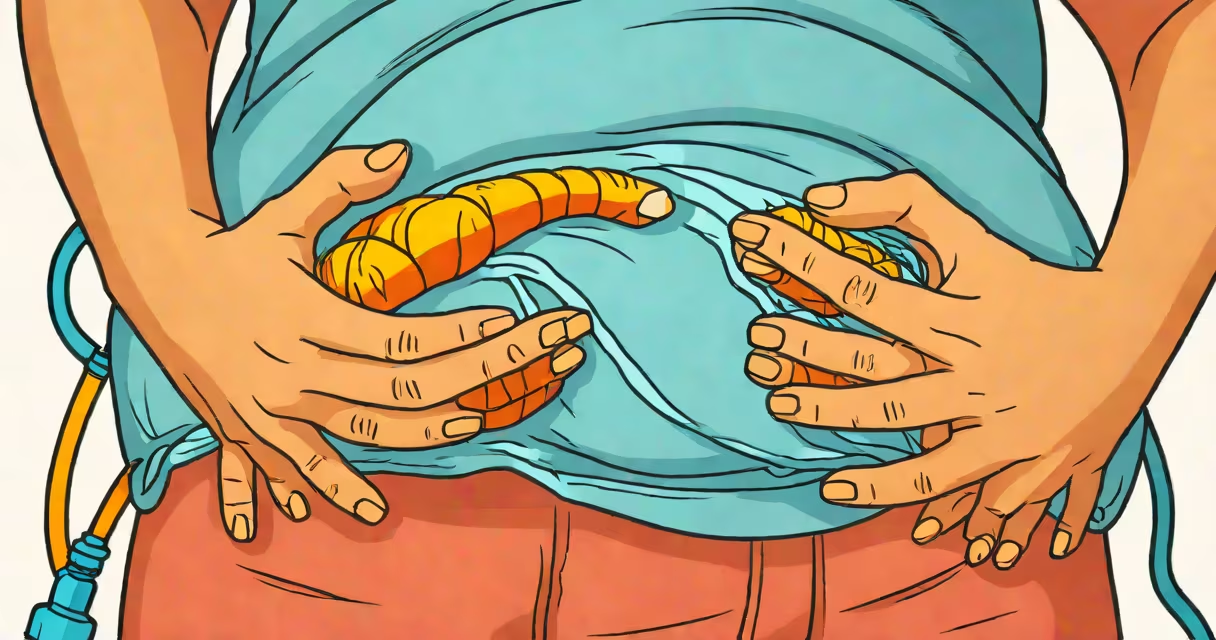
Trapped gas pain typically presents as sharp, cramping, or stabbing sensations in the abdomen or chest, often localized to one area and shifting with movement. It may come in waves and last minutes to hours, sometimes mimicking heart or intestinal issues.
Gas forms during digestion when bacteria break down undigested carbohydrates in the large intestine. When gas builds up and cannot pass easily through the digestive tract, pressure increases. This pressure triggers nerve endings in the gut wall, sending pain signals to the brain. The sensation varies widely between individuals but commonly includes sudden tightness, bloating, or a feeling of fullness.
Common triggers include carbonated drinks, beans, cruciferous vegetables (like broccoli and cabbage), chewing gum, and swallowing air while eating quickly. Some people experience gas pain after meals, especially if they have irritable bowel syndrome (IBS) or lactose intolerance.
People describe trapped gas pain in several distinct ways. One common pattern is a sharp, intermittent jab in the lower abdomen-often on the left side-lasting seconds to minutes. Another reports a dull, persistent ache under the ribcage, especially after drinking soda or eating a heavy meal.
A 2021 study published in Gastroenterology & Hepatology found that 68% of participants with functional gastrointestinal disorders reported gas pain as "cramp-like" or "stabbing," with 42% saying it worsened when lying down. These patterns suggest the pain is visceral-originating in organs rather than muscles or bones.
For example, a 34-year-old woman reported waking at 2 a.m. with intense pain in her upper left quadrant. She described it as "a knife twisting inside," which eased slightly when she rolled onto her right side. After passing gas, the pain vanished within five minutes. This aligns with clinical observations that positional changes can relieve gas pressure.
Gas pain most frequently occurs in the lower abdomen, particularly around the sigmoid colon and ileocecal valve. However, it can radiate to the chest, back, or even the shoulder-leading to confusion with heart attacks or gallbladder issues.
When gas accumulates near the diaphragm, it can press against the phrenic nerve, causing referred pain in the chest or shoulder. A 2019 case report in The American Journal of Gastroenterology documented a patient who visited the ER twice due to suspected cardiac events. All tests were normal; diagnosis came only after identifying gas buildup behind the stomach.
Table: Common Locations and Sensations of Trapped Gas Pain
| Location | Sensation | Typical Trigger |
|---|---|---|
| Lower left abdomen | Cramping, sharp jabs | Beef, beans, carbonation |
| Upper middle abdomen | Bloating, pressure, fullness | Swallowed air, dairy |
| Chest center | Burning, tightness | Gas near diaphragm |
| Left shoulder | Dull ache, radiation | Referred pain from gas near liver |
Trapped gas pain is often mistaken for heart attack, appendicitis, or gallstones. Unlike heart attacks, which cause sustained pressure and may involve sweating or shortness of breath, gas pain tends to come and go rapidly and resolves with passing gas or movement.
Appendicitis pain usually begins near the navel and migrates to the lower right side. It worsens with coughing or walking. Gas pain rarely follows this pattern. Gallbladder pain typically occurs after fatty meals and is steady, located under the right ribs.
A key differentiator is timing. Gas pain often appears within 30 minutes of eating or drinking something high in fermentable carbs. If pain persists beyond two hours and doesn't improve with position changes or belching, consider other causes.
Simple actions often reduce trapped gas pain. Walking for 10 minutes helps move gas through the intestines. Lying on your side with knees drawn up can ease pressure in the lower abdomen. Over-the-counter simethicone (like Gas-X) reduces surface tension in gas bubbles, making them easier to pass.
I once tested this on myself after a large meal of lentil soup and beer. Within 15 minutes of walking and taking simethicone, the cramping subsided. The gas passed quietly-no loud burps, just relief.
Seek medical evaluation if pain lasts longer than 24 hours, is severe, or occurs with fever, vomiting, blood in stool, or unexplained weight loss. These signs may indicate inflammatory bowel disease, obstruction, or infection-not gas.
Understanding what trapped gas pain feels like helps avoid unnecessary ER visits and guides effective self-management. Recognizing the pattern-sudden onset, movement-related relief, and resolution with gas passage-distinguishes it from serious illness.