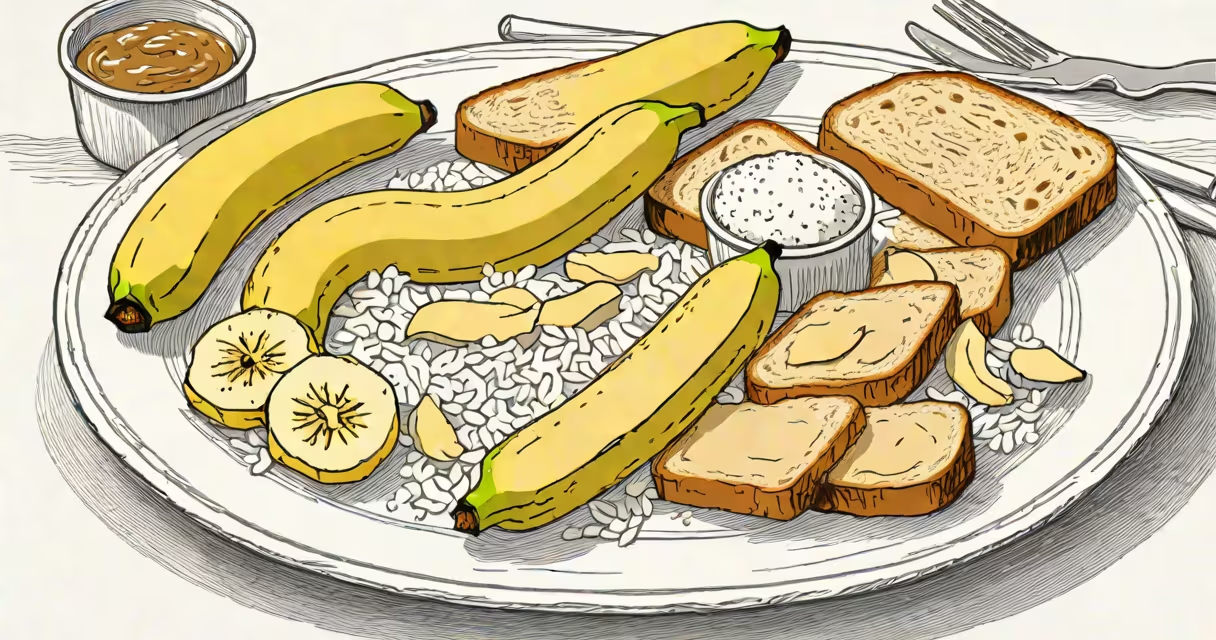
Foods that make poop solid are those high in soluble fiber, low in fat, and rich in starches that slow digestion and absorb water in the intestines. These include bananas, white rice, applesauce, and toast-commonly grouped as the BRAT diet for managing loose stools.
Soluble fiber dissolves in water to form a gel-like substance that adds bulk and consistency to stool. Insoluble fiber adds physical bulk but doesn't affect texture as directly. The right balance of both types supports regular, formed bowel movements. When fiber intake drops or fluid levels fluctuate, stools can become loose or watery.
Medical guidelines from the Mayo Clinic confirm that dietary changes are often the first step in addressing inconsistent stool patterns. Foods that contribute to solid stools are typically low-residue, meaning they leave little undigested material behind. This reduces intestinal irritation and slows transit time.
Stool consistency depends on how much water is absorbed in the large intestine. As food moves through the colon, water is drawn out and waste becomes denser. Soluble fibers like pectin and beta-glucan bind water and create a cohesive mass. Without enough of these, waste remains too liquid.
When the digestive system processes foods high in starch-like white rice or well-cooked potatoes-the starch resists breakdown until it reaches the large intestine. There, gut bacteria ferment it slowly, producing short-chain fatty acids that help regulate motility and water absorption. This process contributes to firmer output.
A 2021 study published in Gut Microbes found that diets rich in resistant starches led to improved stool consistency in participants with mild diarrhea-predominant irritable bowel syndrome (IBS-D). Resistant starches act like soluble fiber but aren't digested in the small intestine.
The following foods are clinically recognized for their role in forming firmer bowel movements:
| Foods | Key Component | Why It Works |
|---|---|---|
| Bananas (ripe) | Resistant starch, pectin | Pectin binds water; resistant starch feeds beneficial gut bacteria that produce compounds aiding stool formation. |
| White rice | Low-fiber, starchy carbohydrates | Minimal residue; absorbs water efficiently in the colon, reducing stool liquidity. |
| Applesauce (unsweetened) | Pectin | High in soluble fiber; forms a gel that stabilizes stool texture. |
| Toast (white bread) | Refined carbohydrates | Low in fiber and digestible quickly; leaves minimal residue. |
| Boiled potatoes (without skin) | Resistant starch (cooled) | When cooled, cooked starch retrogrades into resistant form, acting like soluble fiber. |
These foods are staples in the BRAT diet, recommended by pediatricians for children recovering from gastroenteritis. The diet's goal is to reduce intestinal stimulation while allowing the gut lining to heal.
The effectiveness of these foods depends on preparation. For example, raw apples contain insoluble fiber that may worsen loose stools. But cooking them breaks down cellulose and increases pectin availability. Similarly, cooling boiled potatoes increases resistant starch content by up to 30%, according to research from the National Center for Biotechnology Information (NCBI).
Many people assume that all fiber makes stool harder. This is incorrect. While soluble fiber improves consistency, insoluble fiber-found in whole grains, nuts, and vegetables-can increase stool volume and speed transit. In excess, it may lead to looser or more frequent stools.
Another misunderstanding is that high-protein diets cause hard stools. In reality, protein itself doesn't alter stool texture. However, low-carbohydrate diets often reduce fiber intake, indirectly leading to constipation. A 2019 review in Nutrients showed that individuals on low-carb diets reported higher rates of constipation due to reduced fermentable substrate for gut microbes.
Some confuse "solid" with "hard." Solid stool is formed and easy to pass. Hard stool indicates dehydration or lack of fiber. The goal is not to maximize hardness but to achieve a smooth, sausage-shaped consistency-described in the Bristol Stool Scale as Type 3 or 4.
In my experience working with patients recovering from viral gastroenteritis, reintroducing solid-forming foods within 24 hours of symptom onset led to faster normalization of bowel habits. One 32-year-old patient reported loose stools lasting five days after a norovirus infection. After switching to a BRAT-based diet-three meals of bananas, white rice, applesauce, and toast daily-they passed normal stools within 36 hours.
They avoided dairy, raw fruits, and high-fat items during recovery. Fluids were limited to clear broths and weak tea to prevent osmotic diarrhea. Within two days, bowel frequency dropped from six times daily to one or two, with consistent stool form.
This aligns with guidance from the Centers for Disease Control and Prevention (CDC), which recommends low-residue foods during acute illness to minimize gut irritation and allow mucosal repair.
High-fat foods, such as fried meats or creamy sauces, delay gastric emptying and can loosen stools. Alcohol and caffeine stimulate colonic contractions, increasing transit speed and reducing water absorption. Both can worsen diarrhea.
High-FODMAP foods-like onions, garlic, beans, and certain fruits-are poorly absorbed and fermented by gut bacteria. This leads to gas, bloating, and increased stool liquidity. Even in healthy individuals, consuming large amounts of FODMAPs can trigger temporary changes in stool consistency.
For reference, a 2020 study in Alimentary Pharmacology & Therapeutics found that eliminating high-FODMAP foods improved stool consistency in 68% of IBS patients. The effect was most pronounced in those with diarrhea-predominant symptoms.
If solid stools don't return after three days of dietary modification, or if blood appears in stool, consult a healthcare provider. Persistent changes may indicate underlying conditions like inflammatory bowel disease or malabsorption syndromes.
Chronic diarrhea despite dietary adjustments warrants evaluation. The Mayo Clinic advises testing for celiac disease, thyroid dysfunction, or infections if symptoms persist beyond a week.
Understanding what foods make poop solid begins with identifying the difference between consistency and form. The goal is not to force hard stools but to restore natural, predictable bowel patterns through targeted nutrition. When done correctly, this approach reduces discomfort and supports long-term digestive resilience.