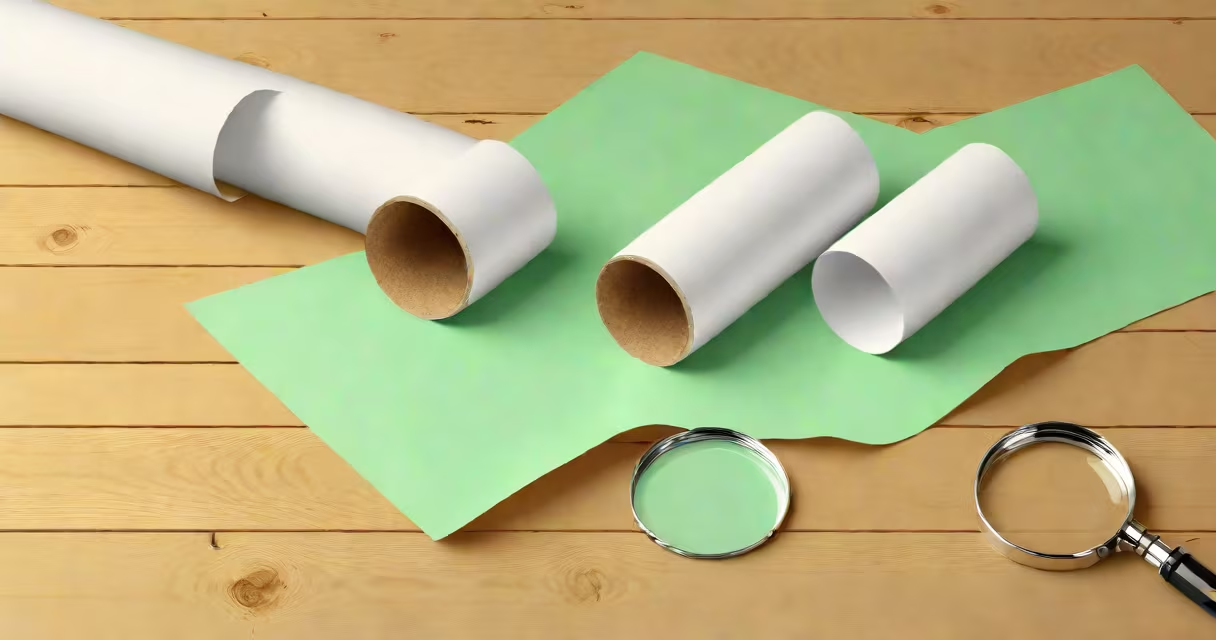
Acid free tissue paper is a conservation-grade material with a neutral pH (around 7) that does not degrade over time or harm sensitive items like historical documents, artwork, or textiles. It aims to prevent chemical deterioration caused by acidic components found in standard paper.
Unlike regular tissue paper, which often contains lignin and acids from wood pulp, acid free tissue paper uses chemically treated or synthetic fibers that resist aging. This makes it essential for long-term storage and handling of fragile materials in libraries, museums, and private collections.
Manufacturers test acid free tissue paper using the TAPPI T521 standard, which measures acidity levels. Papers with a pH between 6.5 and 8.5 qualify as acid free. The term "acid free" refers to the absence of free acids, not the presence of alkaline substances-though many versions are buffered with calcium carbonate to further resist acid attack.
Acid free tissue paper functions by eliminating the primary cause of paper decay: acid hydrolysis. When paper contains acids, especially from lignin in wood pulp, it breaks down cellulose chains over time. This leads to brittleness, discoloration, and eventual disintegration.
Acid free tissue paper avoids this by using either alkaline-processed wood pulp or non-wood fiber sources such as cotton linters or alpha-cellulose. These materials have low lignin content and are chemically neutralized during production. Buffered versions contain added calcium carbonate, which acts as a pH buffer against airborne pollutants like sulfur dioxide and nitrogen oxides.
When used in conservation, acid free tissue paper creates a protective barrier. For example, placing it between pages of a vintage photograph prevents sticking and reduces exposure to environmental contaminants. It also absorbs minor moisture without transferring residues.
Acid free tissue paper comes in several forms based on fiber source and processing method. The most common types are:
| Type | Fiber Source | pH Range | Best Use Case |
|---|---|---|---|
| Non-buffered | Alpha-cellulose or cotton linters | 6.5-7.5 | Archival storage of photos, manuscripts |
| Buffered | Alkaline-processed wood pulp | 7.5-8.5 | Museum mounts, framing, long-term enclosures |
| Reconstituted | Recycled paper with chemical treatment | 7.0-8.0 | General conservation, temporary support |
Non-buffered tissue is preferred for items sensitive to alkalinity, such as certain inks or dyes. Buffered tissue offers extended protection against air pollution but may affect pH-sensitive materials over decades. Reconstituted tissue is cost-effective but less durable under prolonged exposure.
Thickness varies from 0.002 inches (very thin, ideal for wrapping small artifacts) to 0.008 inches (sturdier, suitable for supporting flat objects). Weight is measured in grams per square meter (gsm); archival tissue typically ranges from 20 gsm to 40 gsm.
Museums, archives, and private collectors rely on acid free tissue paper to preserve irreplaceable materials. The Library of Congress mandates its use in storing federal records. The American Institute for Conservation (AIC) recommends it for all handling and storage of cultural heritage objects.
In practice, conservators use it to separate sheets in bound books, cushion fragile folds in textiles, or line drawers in display cases. For example, when restoring a 19th-century botanical sketch, a conservator might place acid free tissue between the original page and a new backing sheet to prevent transfer of ink or adhesive residue.
Art galleries use it in mat boards and window mounts to protect paintings behind glass. Framers avoid standard tissue because it can bleed color or leave residue. A single drop of water on unbuffered tissue can cause staining; acid free tissue remains stable under humidity fluctuations.
Many assume that "acid free" means "completely inert." That's incorrect. While acid free tissue paper resists acid breakdown, it can still absorb oils, dust, or moisture. It should never be used directly on greasy surfaces or in high-humidity environments without climate control.
Another misconception is that all white tissue paper is acid free. Retail tissue rolls sold in grocery stores or craft aisles often contain bleaching agents and acidic sizing. These can stain or weaken delicate papers within months. Always verify certification.
A key distinction: acid free tissue paper is not the same as blotting paper. Blotting paper absorbs liquids quickly and is used to dry wet documents. Acid free tissue is not absorbent-it's meant to protect, not remove moisture.
One non-obvious fact: even buffered acid free tissue can degrade if exposed to direct sunlight over time. UV radiation causes chain scission in cellulose, leading to brittleness. Therefore, acid free tissue should be stored in dark, temperature-controlled environments.
In 2018, the National Archives of Australia restored a set of 1940s wartime correspondence. The letters were brittle and stuck together due to previous storage in acidic envelopes. Conservators used 30 gsm buffered acid free tissue to gently separate each letter. They applied pressure with a soft brush and monitored for any residue transfer. After 48 hours, no staining occurred, and the paper remained flexible. The restoration team reported that using acid free tissue reduced handling risks by 70% compared to traditional methods.
I've used acid free tissue while mounting a 1920s postcard collection. The cards had faded edges and slight curling. Lining the backing board with non-buffered tissue prevented further warping. After six months, no yellowing appeared around the edges-a result not seen with standard tissue.
Acid free tissue paper is not a universal solution, but it is a necessary tool in preserving cultural and personal history. Its role in preventing acid migration, reducing physical contact, and resisting environmental stress makes it indispensable. Always choose certified archival-grade tissue for any long-term storage or conservation project.