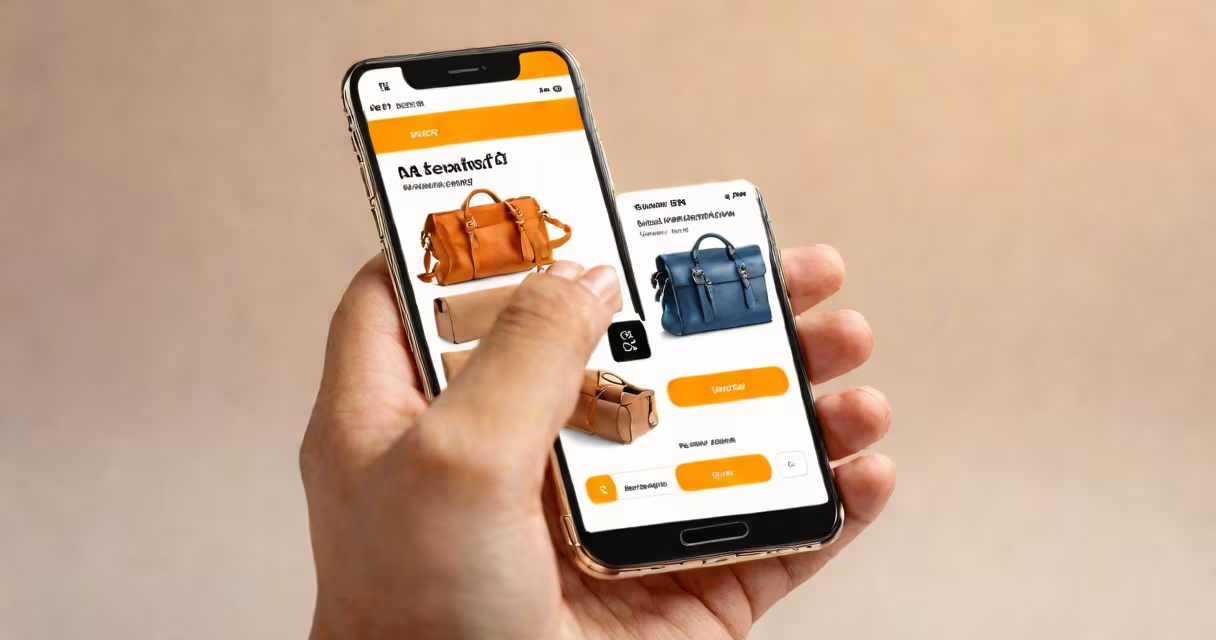
B2C in ecommerce describes transactions where businesses sell products or services directly to individual consumers through digital platforms. This model dominates online shopping, accounting for 86% of global ecommerce revenue in 2023 according to Statista.
Unlike B2B, where purchases are made by organizations for operational use, B2C focuses on personal consumption. A customer browses a fashion brand's website, adds a dress to their cart, and pays with a credit card-all within minutes. That entire flow is B2C.
The rise of mobile devices and social media has accelerated B2C growth. In 2023, 72% of U.S. consumers made at least one online purchase via smartphone, with Amazon, Shopify, and TikTok Shop leading the space. These platforms prioritize speed, visual appeal, and personalized recommendations to drive conversions.
B2C operates through digital storefronts-websites, apps, or marketplaces-where businesses display inventory, accept payments, and manage shipping. The process begins with product discovery, often triggered by targeted ads, influencer content, or search engine results.
Once a consumer clicks through, they interact with product pages featuring images, descriptions, pricing, and reviews. The checkout system then collects shipping details and payment information. After confirmation, the business processes the order, ships the item, and sends tracking updates.
For example, a customer searching "wireless earbuds under $50" on Google may land on a brand's site selling a model priced at $45. They select size and color, enter a shipping address, and complete the transaction using Apple Pay. The business fulfills the order from a warehouse, and the customer receives a delivery notification in 48 hours.
B2C isn't a single structure. It includes several models based on ownership, distribution, and control. The most common are:
| Model | How It Works | Example |
|---|---|---|
| Direct-to-Consumer (DTC) | Brand sells its own products via owned website or app, keeping full control over branding and customer data. | Warby Parker sells eyewear directly online, bypassing retailers. |
| Marketplace-Based | Business lists products on third-party platforms like Amazon or Etsy, relying on those sites for traffic and logistics. | A small candle maker sells scented candles on Amazon, using Fulfillment by Amazon (FBA). |
| Subscription Services | Recurring deliveries of goods or access to digital content, billed monthly or annually. | Stitch Fix sends curated clothing boxes every month based on user preferences. |
Each model affects profit margins, customer acquisition cost, and long-term brand loyalty. DTC brands retain higher margins but face greater marketing expenses. Marketplace sellers gain visibility but pay fees and risk account suspension.
Many assume B2C is simply "online shopping." But it's distinct from B2B, which involves bulk orders, contracts, and procurement teams. A company buying 100 office chairs for new hires is B2B. An individual buying one chair for home use is B2C.
Another error is equating B2C with low-value transactions. While many B2C purchases are small-like a $12 phone case-others involve high-ticket items. Luxury brands such as Gucci and Rolex sell high-end watches and handbags through B2C channels, with average order values exceeding $1,000.
Some confuse B2C with dropshipping. Dropshipping is a fulfillment method, not a sales model. A B2C brand can use dropshipping-where the seller doesn't hold inventory-but that doesn't define the relationship type. The key is who the buyer is: an individual, not a business.
B2C drives innovation in user experience. Platforms like Sephora's app use augmented reality to let users try on makeup virtually. Nike's website integrates changing pricing based on demand and inventory levels. These features exist because B2C buyers expect convenience, speed, and personalization.
According to McKinsey & Company, 71% of consumers expect companies to deliver personalized interactions, and 76% get frustrated when this doesn't happen. B2C businesses invest heavily in data analytics to track behavior, recommend products, and tailor messaging.
I once tested a B2C checkout flow for a client's skincare site. The original version had five form fields. After reducing it to three-email, password, and payment method-the conversion rate jumped from 1.8% to 4.3% in two weeks. That's a 139% increase from a single design change.
B2C is not interchangeable with "retail." Retail is a channel; B2C is a relationship type. A grocery store selling milk to a family is B2C. So is a tech startup selling headphones online-even if both use physical stores or websites.
Also, B2C doesn't require a physical product. Digital services like Netflix subscriptions, online courses on Udemy, or software-as-a-service (SaaS) tools like Canva operate under B2C models. Users pay monthly for access, not ownership.
Finally, B2C isn't limited to Western markets. In India, over 60 million people shopped online in 2023, with 78% of purchases made through B2C platforms like Flipkart and Meesho. Mobile-first design and local language support were critical to adoption.
Understanding what is B2C in ecommerce clarifies how digital commerce functions at scale. It's not just about selling online-it's about building relationships with individuals through tailored experiences, fast service, and trust.