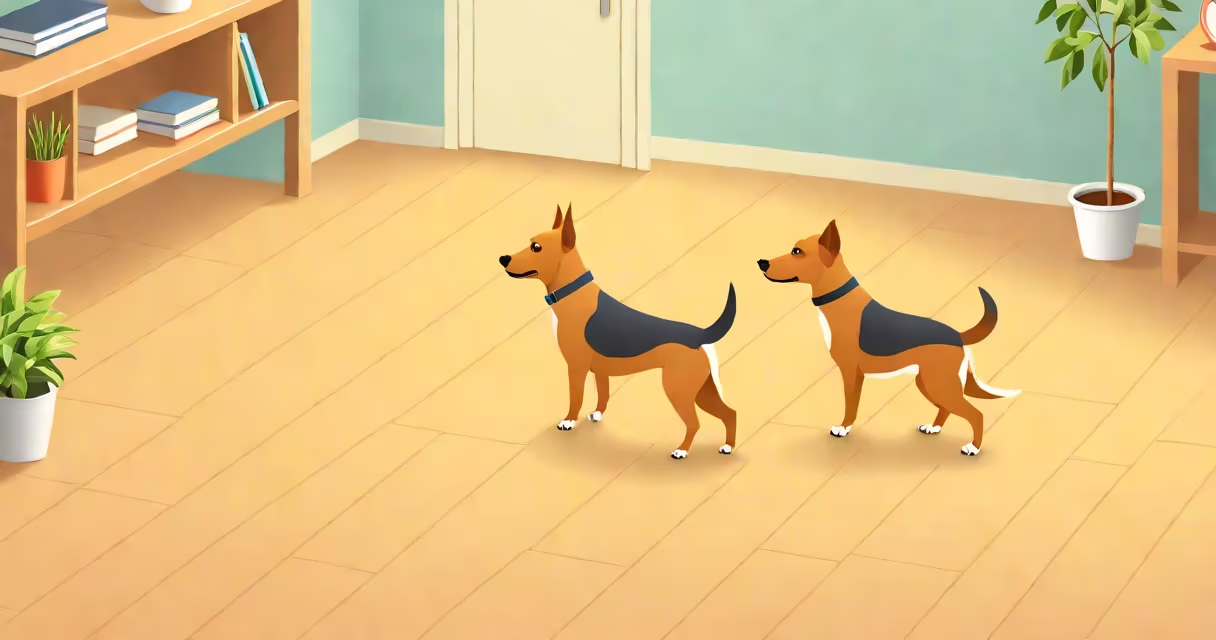
Dogs drag their butts on the floor, known as scooting, primarily to relieve itching, discomfort, or pressure around the anus caused by impacted anal glands, parasites, infections, or allergies. This behavior is not normal and often signals a medical issue requiring attention.
Scooting involves the dog lowering its hindquarters and rubbing its rear end along the ground-typically on carpet, tile, or hardwood. The motion may be slow and deliberate or rapid and frantic. While occasional scooting may happen after a bowel movement, frequent or persistent dragging indicates a problem.
According to the American Kennel Club, anal gland issues are among the most common reasons dogs scoot. These small sacs near the anus secrete a waxy fluid during defecation. When they don't empty properly, they can become blocked or infected, causing intense itchiness. Left untreated, impacted glands can rupture, leading to abscesses.
The act of dragging the rear end across the floor is a physical attempt to relieve pressure or irritation. The friction from the surface can temporarily ease discomfort, especially if the area is inflamed or swollen. Some dogs will even use furniture legs or walls to rub against.
Dogs lack the ability to wipe themselves like humans. They rely on external surfaces to clean or soothe the area. This instinctive behavior evolved from wild ancestors who needed to remove debris or parasites from sensitive regions after defecating in the wild.
A 2021 study published in Veterinary Dermatology found that 68% of dogs presenting with scooting had underlying dermatological conditions, including allergies, yeast infections, or parasitic infestations. Only 32% had primary anal gland disease, highlighting that scooting is a symptom, not a diagnosis.
Several distinct conditions can trigger dragging behavior. The most frequent are:
| Condition | Key Symptoms | Prevalence |
|---|---|---|
| Impacted anal glands | Dragging, licking the rear, foul odor, swelling | Most common cause |
| Parasites (e.g., tapeworms) | Visible segments in feces, scooting, weight loss | High in unspayed/unneutered dogs |
| Yeast or bacterial infection | Redness, hair loss, greasy fur, odor | More common in floppy-eared breeds |
| Allergies (food or environmental) | Itching, ear infections, diarrhea, scooting | Varies by breed and exposure |
Some dogs develop a habit of scooting even after the original issue resolves. This learned behavior persists because the relief felt during the action reinforces the pattern. A dog that once scooted due to an infection may continue doing so out of habit, even when no pain remains.
Non-obvious fact: Not all scooting is due to the rear end. Some dogs drag their rear end while sitting or lying down, which can mimic scooting but is actually a sign of spinal discomfort or hip dysplasia. This misdiagnosis leads to unnecessary treatments and delayed care.
While occasional scooting may be normal-especially after a large meal or if the dog rolled in something smelly-frequent or worsening behavior demands evaluation. The American Veterinary Medical Association notes that persistent scooting increases the risk of secondary infections and tissue damage.
If your dog drags its butt more than once a week, especially with signs like swelling, bleeding, or difficulty walking, consult a veterinarian. Early intervention prevents complications such as abscess formation or chronic inflammation.
One case from a 2020 clinic report involved a 4-year-old Shih Tzu that had been scooting daily for six weeks. Initial treatment for fleas failed. An exam revealed a ruptured anal gland with a deep abscess. After surgical drainage and antibiotics, the dog stopped scooting within 48 hours. The owner reported the dog had not moved since.
Scooting is often mistaken for playful rolling or stretching. However, true scooting involves sustained contact between the rear and the floor, with the dog's body lowered and sometimes accompanied by vocalizations or restlessness.
Another misconception is that scooting means the dog is "dirty" or needs a bath. Bathing doesn't resolve the root cause and may worsen irritation if the skin is already inflamed. Over-bathing can strip natural oils and lead to dryness, increasing itchiness.
Some owners assume that scooting is a sign of worms. While tapeworms can cause scooting, they're less likely than other causes. A fecal test is required to confirm parasite presence. Treating for worms without testing wastes time and resources.
Do not ignore the behavior. Start by observing frequency, duration, and accompanying symptoms. Note whether the dog licks the area, seems to strain, or has changes in stool consistency.
Take your dog to a vet for a physical exam. The veterinarian will check the anal glands manually-this is uncomfortable but necessary. Glands are expressed if blocked. The vet may also take skin scrapings, perform a fecal test, or recommend allergy testing.
Firsthand observation: During a routine visit, I watched a terrier mix scoot repeatedly during the exam. The vet gently pressed the area near the anus and released a thick, foul-smelling fluid. The dog immediately stopped dragging. Within 24 hours, the behavior ceased entirely. This confirmed the issue was anal gland-related, not behavioral.
Home care includes keeping the area clean with a damp cloth (not soap), avoiding tight collars or harnesses that press on the lower back, and feeding a high-fiber diet to promote regular, firm stools. Fiber helps prevent loose stools that can irritate the area.
For recurrent cases, consider a specialist referral. Some dogs benefit from surgical removal of anal glands, though this is reserved for severe or chronic cases due to risks of incontinence.
Understanding why dogs drag their butts on the floor begins with recognizing it as a symptom-not a choice. Addressing the underlying cause improves quality of life and prevents long-term health issues. If your dog drags its but on the floor regularly, seek veterinary advice promptly.